Why Does Rice Stick to My Rice Cooker? (Fixes)
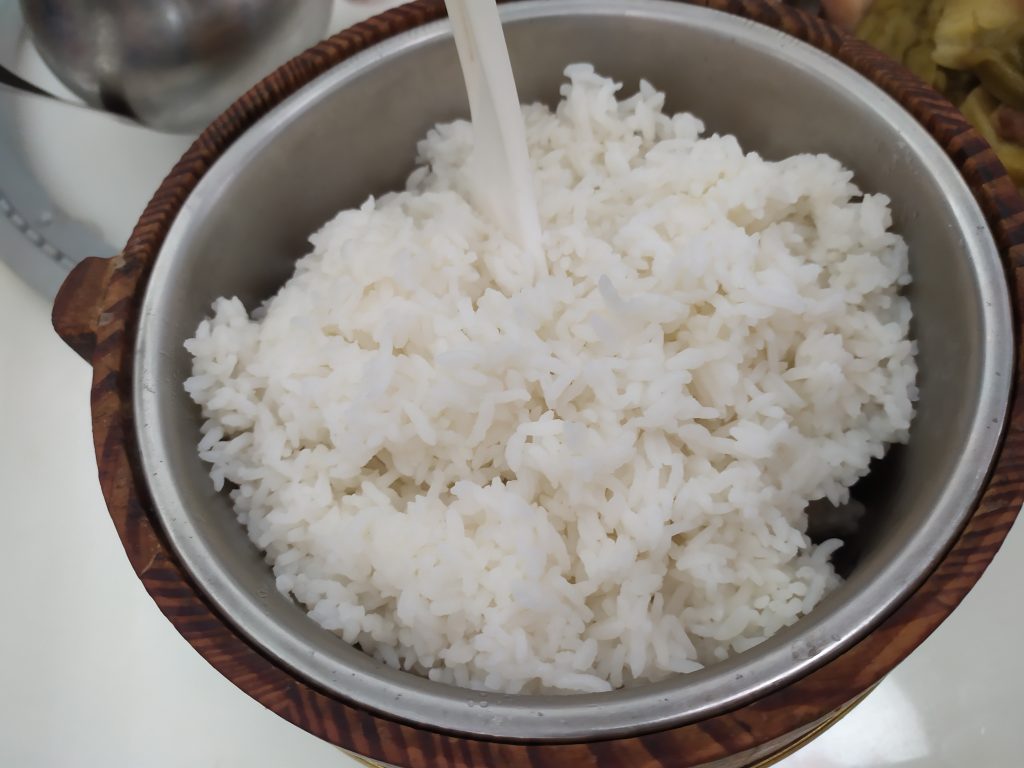
Quick answer: Rice sticks to a rice cooker for a handful of fixable reasons — not rinsing away surface starch, too little water, lifting the lid mid-cook, not letting the rice rest before fluffing, a scratched or worn nonstick pot, or a dirty heating plate. The starch in rice (amylose and amylopectin) gels as water boils off and glues grains to the pot, so the fixes all come down to managing starch, water, and the pot’s surface. This guide explains each cause and exactly how to stop it. For cookers with durable nonstick pots, see the Best Rice Cookers guide.
The Science: Why Rice Sticks in the First Place
Sticking is a starch problem. Rice grains are coated in starch and packed with two starch molecules — amylose and amylopectin. As the cooker heats, water and heat swell and rupture the starch granules, releasing those molecules into the water. As the free water boils away near the end of the cycle, that starch concentrates and gels into a sticky film right where the grains meet the hot bottom of the pot. The more loose surface starch there is, and the drier or hotter the bottom gets, the more aggressively rice cements itself to the pot.
Understanding that one mechanism makes every fix below intuitive: you either remove excess starch, keep enough water present, protect the surface, or give the rice time to release on its own.
Cause 1 — You Didn’t Rinse the Rice
This is the most common culprit. Unrinsed rice carries a heavy coat of loose surface starch that turns into glue as it cooks. The fix: rinse rice in a fine sieve under cold water, swishing, until the water runs mostly clear — usually three to four rinses. This single habit dramatically reduces both sticking and gumminess. (Exception: do not rinse parboiled or enriched/fortified rice, where rinsing washes away added nutrients.)
Cause 2 — Too Little Water
If there is not enough water, it boils away before the grains finish cooking, leaving the bottom layer dry and scorched onto the pot. The fix: use the correct ratio — roughly 1:1.25 for white rice, about 1:2 for brown — and measure rice and water in the same cup, remembering a rice cooker cup is 180 ml. Better yet, use the cooker’s water lines, which are calibrated for that cup. See Rice to Water Ratio for a Rice Cooker for exact numbers by rice type.
Cause 3 — You Skipped the Rest Period
Opening the cooker and serving the instant it finishes is a major cause of a stuck bottom layer. Right after cooking, the bottom grains are still tightly bound to the hot surface. The fix: let the rice rest, covered, for about 10 minutes after the cooker switches to keep-warm. During this rest the residual steam loosens the grains and they release from the pot far more easily. Then fluff gently with the paddle to separate everything.
Cause 4 — A Scratched or Worn Nonstick Pot
A nonstick coating is what lets rice release cleanly. Once it is scratched by metal utensils or abrasive scrubbers, or simply worn out after years of use, rice grips the exposed metal underneath. The fix: protect the coating by using only the supplied plastic or wooden paddle, never metal spoons, and washing with a soft sponge rather than steel wool. If the coating is visibly scratched or flaking, replace the inner pot — most manufacturers sell replacements, and a fresh pot instantly solves chronic sticking. As a stopgap on a worn pot, lightly oiling or spraying the bottom before cooking helps rice release.
Cause 5 — A Dirty Cooker or Heating Plate
Built-up starch residue inside the pot, on the inner lid, or on the heating plate creates rough, sticky spots and uneven heat that encourage rice to bond. The fix: keep the cooker clean. Wash the pot and inner lid after each use, clear the steam vent, and wipe the heating plate so the pot makes even contact. The full routine is in How to Clean a Rice Cooker.
Cause 6 — Lifting the Lid Mid-Cook
Every time you open the lid during cooking, you release steam and drop the temperature, disrupting the calibrated cycle. This can leave the bottom drying out while the top is still underdone, promoting a stuck, scorched layer. The fix: resist peeking. Leave the lid closed until the cooker finishes and the rest period is over.
Extra Tricks to Prevent Sticking
- A few drops of oil or a light spray in the pot before cooking helps grains release, especially on older pots or with stickier short-grain rice.
- Fluff promptly after resting — sliding the paddle under the rice and lifting gently breaks any bond before it sets as it cools.
- Don’t leave rice on keep-warm for hours — extended keep-warm dries the bottom into a hard crust. Turn it off or transfer the rice if it will sit a long time.
- Match the batch to the cooker — very small amounts in a large cooker cook unevenly and can scorch.
Quick Diagnosis Table
| Symptom | Most likely cause | Fix |
|---|---|---|
| Thin sticky film on bottom | Not rinsed enough | Rinse until water runs clear |
| Hard, scorched bottom layer | Too little water | Increase water; use the water lines |
| Bottom sticks even when cooked right | No rest period | Rest 10 minutes before fluffing |
| Rice grips bare metal patches | Worn / scratched pot | Replace pot; use only the paddle |
| Sticking plus uneven cooking | Dirty pot or heating plate | Clean pot, lid, vent, and plate |
| Dry crust after sitting | Long keep-warm | Shorten keep-warm or transfer rice |
How Rice Type Affects Sticking
Not all rice sticks equally, and knowing why helps you set expectations. Stickiness is driven mostly by the ratio of two starches: amylose and amylopectin. Grains high in amylopectin — short-grain, sushi, and glutinous (sticky) rice — are designed to cling, so a degree of clumping is normal and desired for sushi and bowls. Long-grain varieties like basmati and most jasmine are higher in amylose and naturally stay more separate, so unwanted sticking with them usually points to a fixable cause like under-rinsing or too little water.
This means the “right” amount of sticking depends on what you are cooking. If short-grain rice clings together but lifts cleanly from the pot, that is the grain doing its job, not a problem. If long-grain rice that should be fluffy comes out gummy and glued to the bottom, the fixes in this guide apply directly. Matching your technique to the grain — slightly less water and a thorough rinse for sticky short-grain, more water and a gentle hand for long-grain — keeps each variety at its best.
Hard Water and Cooker Condition
Two environmental factors quietly worsen sticking over time. The first is hard water: mineral deposits can build up inside the pot and on the heating plate, creating rough spots and uneven heat that encourage rice to bond. A periodic vinegar descaling cycle clears this and restores a smooth surface. The second is the overall condition of the cooker — a heating plate with stuck-on starch, a clogged steam vent, or a residue-coated inner lid all degrade how evenly the cooker works, and uneven heat is a recipe for a scorched, stuck bottom. Keeping the whole machine clean is therefore not just hygiene; it directly affects whether your rice releases cleanly.
Building Habits That Prevent Sticking
The most reliable way to stop sticking for good is to fold a few small habits into your routine so the conditions for sticking never arise. Make rinsing automatic — it takes under a minute and addresses the single biggest cause. Trust the water lines or your tested ratio rather than eyeballing the water. Resist opening the lid while the cooker runs. Always give the rice its 10-minute rest, then fluff it promptly to break any bond before it cools and sets. Treat the nonstick pot gently, using only the paddle and a soft sponge, and replace it when the coating finally wears out. None of these steps is difficult, and together they make clean-releasing rice the default rather than something you have to fight for at every meal.
Is a Little Sticking Always Bad?
Not necessarily. In some cuisines a thin, crisp browned layer at the bottom of the pot is prized — Persian tahdig, Korean nurungji, and Spanish socarrat are all deliberately created crusts. A light golden layer that lifts off cleanly is fine and even desirable. The problem is the unwanted kind: a gummy or scorched mass that wastes rice and is hard to clean. The fixes above target that nuisance sticking, not the intentional crust.
A Step-by-Step Fix If Rice Sticks Every Time
If sticking has become a recurring frustration, work through these in order — each addresses a common cause, and most people solve the problem within the first two or three.
- Rinse more thoroughly. For one batch, rinse until the water runs genuinely clear, not just less cloudy. If sticking improves, surface starch was the culprit.
- Verify your measurements. Confirm you are using the 180 ml cooker cup (not a 240 ml US cup) and the matching water line. A measurement mismatch starves the rice of water and scorches the bottom.
- Add the rest period. Wait a full 10 minutes after the cooker finishes before opening, then fluff immediately. This alone fixes a surprising number of stuck-bottom complaints.
- Inspect the pot. Look for scratches, flaking, or bare metal patches in the nonstick coating. If you find them, replace the inner pot.
- Deep-clean the cooker. Descale with a vinegar cycle and clear any starch from the heating plate, steam vent, and inner lid so heat is even.
- Try a little oil. As a final measure, add a few drops of oil to the pot before cooking, especially with stickier short-grain rice or an aging pot.
Changing one variable at a time tells you exactly what was causing the problem, so you can keep the fix and skip the rest.
What Not to Do
A few well-meaning “fixes” make sticking worse or damage the cooker. Do not scrape a stuck bottom with a metal spoon or knife — it gouges the nonstick coating and guarantees worse sticking next time; soak the pot instead. Do not crank a cooker’s settings or try to “cook it longer” to dry out gummy rice, which just scorches the bottom. Do not skip rinsing to save time; it is the single most effective preventive step. And do not keep using a pot whose coating is clearly failing — at that point, oil and careful technique only delay the inevitable, and a replacement pot is the real solution. Avoiding these missteps protects both your rice and your cooker.
Frequently Asked Questions
Why does my rice always stick to the bottom of the rice cooker?
The most common reasons are not rinsing the rice, using too little water, and serving it immediately without a rest period. Each lets starch gel and bond the grains to the hot pot. Rinse until the water runs clear, use the correct water ratio or the cooker’s water lines, and let the rice rest covered for about 10 minutes before fluffing.
How do I stop rice from sticking to a rice cooker?
Rinse the rice thoroughly to remove surface starch, use enough water for the rice type, keep the lid closed during cooking, and let the rice rest 10 minutes before gently fluffing it. Protect the nonstick pot by using only the supplied paddle, and add a few drops of oil to the pot before cooking if sticking persists.
Does rinsing rice really stop it from sticking?
Yes — rinsing is one of the most effective fixes. Uncooked rice is coated in loose surface starch that turns sticky and gluey as it cooks. Rinsing in cold water until the water runs mostly clear removes that excess starch, which reduces both sticking to the pot and clumping between grains.
Should I add oil to stop rice sticking in a rice cooker?
A few drops of oil or a light cooking spray in the pot before adding rice and water can help grains release, especially with older or scratched pots and stickier short-grain rice. It is a useful trick but secondary to rinsing, correct water, and resting the rice, which address the root causes.
Is my rice cooker pot ruined if rice keeps sticking?
Not always, but a scratched or worn nonstick coating is a common cause of chronic sticking. If the coating is visibly scratched, flaking, or rice grips bare metal patches, replacing the inner pot usually solves it immediately. Going forward, use only the plastic or wooden paddle and a soft sponge to protect the new coating.
Final Word
Rice sticks because starch gels onto the pot as water boils off — so the cure is always some combination of removing excess starch (rinse), keeping enough water present (correct ratio), protecting the surface (intact nonstick pot, a little oil), and giving the rice time to release (rest before fluffing). Work through these and unwanted sticking disappears. If the pot is worn, replace it; if you want a cooker built to resist sticking, see the Best Rice Cookers guide.
Last updated: June 2026