Rice to Water Ratio for a Rice Cooker (All Rice Types)
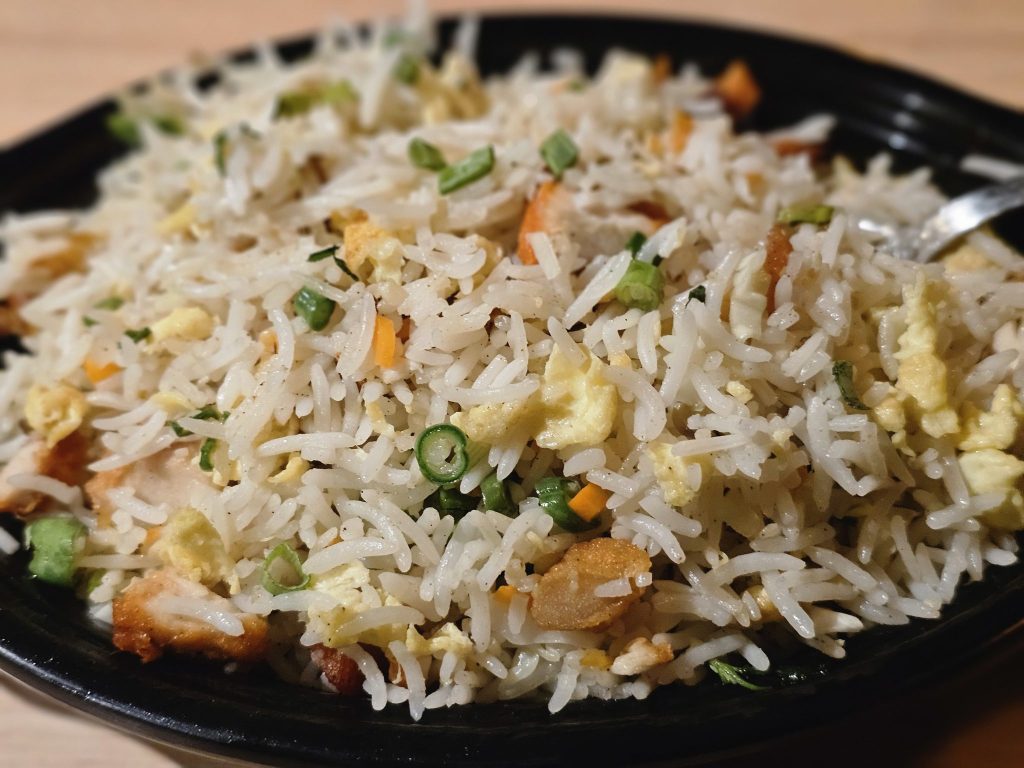
Quick answer: For most white rice in a rice cooker, start with a 1:1 to 1:1.25 ratio (rice to water), measured in the same cup. Jasmine is around 1:1.25, basmati around 1:1.5, short-grain and sushi rice around 1:1.1, and brown rice needs much more — roughly 1:2 to 1:2.25. The catch most people miss: a rice cooker cup is 180 ml, so measure rice and water in the same unit, or simply use the cooker’s water lines, which already do the math. This guide gives exact ratios for every common rice type plus the small adjustments that fix mushy or crunchy results. For our top cooker picks, see the Best Rice Cookers guide.
The One Rule That Makes Ratios Work: Use the Same Cup
Before any specific numbers, internalize this: a ratio is meaningless unless rice and water are measured in the same vessel. A rice cooker cup is 180 ml, not the 240 ml of a US measuring cup. If you scoop rice with the cooker’s cup but pour water with a US cup, your ratio is off by 25% before you start.
The foolproof shortcut is to ignore separate water measuring entirely and use your cooker’s internal water lines. Measure rice with the included 180 ml cup, rinse it, add it to the pot, then fill water to the numbered line that matches your cup count. Those lines are calibrated for the 180 ml cup, so they handle the ratio for you. For the full explanation, see Rice Cooker Cup Sizes Explained.
Rice to Water Ratio Chart (All Common Types)
These ratios assume rinsed rice and measure rice and water in the same cup. Treat them as reliable starting points — your exact cooker, the rice’s age, and personal texture preference shift them slightly.
| Rice type | Rice : water ratio | Water per 1 cup rice | Notes |
|---|---|---|---|
| Long-grain white | 1 : 1 to 1 : 1.25 | 1 to 1¼ cups | Forgiving; start at 1:1.25 in a cooker |
| Jasmine | 1 : 1.25 | 1¼ cups | Fragrant, slightly soft; rinse well |
| Basmati | 1 : 1.5 | 1½ cups | Wants more water for long, separate grains |
| Short-grain / sushi | 1 : 1.1 to 1 : 1.2 | ~1¼ cups | Stickier; slightly less water |
| Medium-grain white | 1 : 1.25 | 1¼ cups | Soft and a bit sticky |
| Brown rice (long/short) | 1 : 2 to 1 : 2.25 | 2 to 2¼ cups | Bran layer needs much more water and time |
| Parboiled / converted | 1 : 1.5 to 1 : 2 | 1½ to 2 cups | Firmer; absorbs more than regular white |
| Wild rice (blend) | 1 : 2.5 to 1 : 3 | 2½ to 3 cups | Tough hull; longest cook of all |
White Rice: The Forgiving Baseline
Plain long-grain white rice is the easiest to get right. In a rice cooker, 1:1.25 (one cup rice to one and a quarter cups water) is a dependable starting point; some cooks and cookers do well at a flat 1:1. Rinse the rice until the water runs mostly clear to remove surface starch, which prevents gummy clumping. If your first batch is a touch firm, add a tablespoon or two more water next time; if it is soft, pull back slightly.
Jasmine and Basmati: Aromatic Long Grains
Jasmine rice is soft and fragrant and does well around 1:1.25. Basmati is different — it wants more water, around 1:1.5, to produce its signature long, dry, separate grains. Both benefit enormously from a thorough rinse, and basmati in particular rewards a 20–30 minute soak before cooking, which helps the grains elongate rather than break. If you soak, reduce the added water slightly because the grains have already taken some on.
Short-Grain and Sushi Rice: Stickier by Design
Short-grain Japanese-style and sushi rice are higher in the starch amylopectin, which makes them cling together — exactly what you want for sushi and bowls. Use slightly less water, around 1:1.1 to 1:1.2, so the grains are tender and sticky without turning to paste. Rinse until the water is nearly clear, and let the cooked rice rest, covered, for 10 minutes before using.
Brown Rice: The Big Exception
Brown rice keeps its bran layer, which resists water and demands both more liquid and more time. Use roughly 1:2 to 1:2.25 — about twice the water of white rice. A dedicated brown-rice program on a fuzzy-logic or induction cooker handles this automatically; on a basic switch cooker you simply add the extra water and accept a longer cook. Soaking brown rice for 30–60 minutes shortens cooking time and improves evenness. For a full walkthrough, see How to Cook Brown Rice in a Rice Cooker.
Parboiled, Wild, and Specialty Rices
A few grains behave unlike standard white or brown rice and trip people up. Parboiled (converted) rice has been partially steamed in its husk before milling, which changes its starch and makes it firmer and more absorbent — it wants more water, around 1:1.5 to 1:2, and a longer cook than regular white rice. Notably, you should not rinse parboiled or enriched rice, because the surface coating carries nutrients that rinsing washes away.
Wild rice is not true rice at all but an aquatic grass seed with a tough outer hull. It needs far more water and time than any common rice — roughly 1:2.5 to 1:3 — and is often sold in blends with long-grain rice, in which case follow the blend’s package guidance since the components cook at different rates. Red and black (forbidden) rices behave much like brown rice, keeping their bran layers, so treat them similarly: more water (around 1:2), a soak if you have time, and a longer cook. When in doubt with any specialty grain, start near the brown-rice ratio and adjust from there.
The Role of Soaking and Rinsing in the Ratio
Soaking and rinsing both interact with how much water you finally add, so it helps to understand them as part of the ratio rather than separate steps. Rinsing removes loose surface starch; it does not meaningfully change how much water the grain absorbs, but it dramatically improves texture by preventing gumminess. Always rinse standard white and brown rice; skip it only for parboiled and enriched varieties.
Soaking, by contrast, does change the math: a soaked grain has already taken on water, so it needs slightly less added liquid and cooks faster and more evenly. If a recipe’s ratio assumes unsoaked rice and you choose to soak, trim the added water by a small amount — a tablespoon or two per cup — or simply cook the rice in its soaking water and keep the total the same. Soaking is most worthwhile for basmati (for long, separate grains), brown rice, and other tough grains, and least necessary for everyday white rice where it offers little benefit.
Why Your Cooker May Differ From the Chart
No ratio chart is universal, and it helps to know why. Different cookers boil off water at different rates depending on their wattage, how well the lid seals, and whether they use a simple switch or a smart cycle. A cooker with a tight lid and gentle cycle retains more moisture, so you may need slightly less water than the chart suggests; a leaky-lidded budget cooker may need a touch more. Your local water hardness, your altitude, the age and dryness of your rice, and even your personal taste all shift the ideal by small amounts. Treat the chart ratios as a calibrated starting point, then make one small adjustment per batch — a tablespoon or two of water per cup of rice — until you lock in the result you like for your specific machine. Once you find your number, it will be remarkably consistent.
How to Adjust When Rice Comes Out Wrong
Ratios are a starting point; small tweaks dial in your exact cooker and taste. Change water in small steps — a tablespoon or two per cup of rice at a time.
| Problem | Likely cause | Fix next batch |
|---|---|---|
| Mushy / wet rice | Too much water | Reduce water slightly; rinse more thoroughly |
| Hard / crunchy centers | Too little water or no soak | Add a little water; soak before cooking |
| Gummy, clumped rice | Excess surface starch | Rinse until water runs clear |
| Sticky bottom layer | Heat too high / too little water | Let it rest, then fluff; add a touch more water |
| Unevenly cooked | Lid lifted, or grain needed soaking | Keep lid shut; soak tougher grains |
Practical Tips for Consistent Results
- Always rinse (except parboiled or enriched rice where rinsing washes away coatings). It is the single biggest factor after the water ratio.
- Soak tougher grains. Brown, wild, and basmati all improve with a soak; reduce added water a little if you do.
- Keep the lid closed. Lifting the lid releases steam and disrupts the calibrated cycle, leading to uneven rice.
- Rest before fluffing. Let cooked rice sit covered for 10 minutes so moisture redistributes, then fluff gently with the paddle.
- Adjust for altitude. At high elevation water boils cooler, so rice may need slightly more water and time.
- Account for rice age. Older, drier rice absorbs a little more water than fresh rice.
Frequently Asked Questions
What is the rice to water ratio for a rice cooker?
For most white rice in a rice cooker, use 1:1 to 1:1.25 — one cup of rice to one or one and a quarter cups of water, measured in the same cup. Jasmine is about 1:1.25, basmati about 1:1.5, sushi rice about 1:1.1, and brown rice needs roughly 1:2 to 1:2.25. Using the cooker’s water lines is the most reliable method because they are calibrated for the 180 ml cup.
Is the rice to water ratio 1:1 or 1:2?
It depends on the rice. White rice is close to 1:1 (often 1:1.25 in a cooker), while brown rice is closer to 1:2 because its bran layer resists water and needs more liquid and time. Wild rice needs even more, around 1:2.5 to 1:3. There is no single universal ratio — match it to the grain.
Do I measure water with the rice cooker cup too?
Yes — measure rice and water with the same cup so the ratio stays accurate, since a rice cooker cup is 180 ml versus 240 ml for a US cup. The easiest approach is to skip separate water measuring entirely: add rinsed rice, then fill water to the cooker’s numbered line, which is already calibrated for the 180 ml cup.
How much water for 2 cups of rice in a rice cooker?
For 2 cups of white rice, use about 2 to 2½ cups of water (a 1:1 to 1:1.25 ratio) measured in the same cup, or simply fill to the “2” water line. For 2 cups of brown rice, use about 4 to 4½ cups of water. Always measure both rice and water in the same unit.
Why is my rice cooker rice always mushy?
The most common cause is too much water, often from mixing a US measuring cup with a cooker calibrated for 180 ml cups. Inadequate rinsing also leaves excess surface starch that turns rice gummy. Reduce the water slightly, rinse until the water runs clear, and let the rice rest before fluffing to firm it up.
Final Word
Getting rice right is mostly about two things: using consistent measurements (remember the 180 ml cup) and matching the ratio to the grain — roughly 1:1.25 for white, more for basmati, and about double for brown. Rinse well, keep the lid shut, rest the rice before fluffing, and adjust water in small steps until it matches your taste and your specific cooker. For our recommended cookers that make all of this easier with dedicated grain programs, see the Best Rice Cookers guide.
Last updated: June 2026