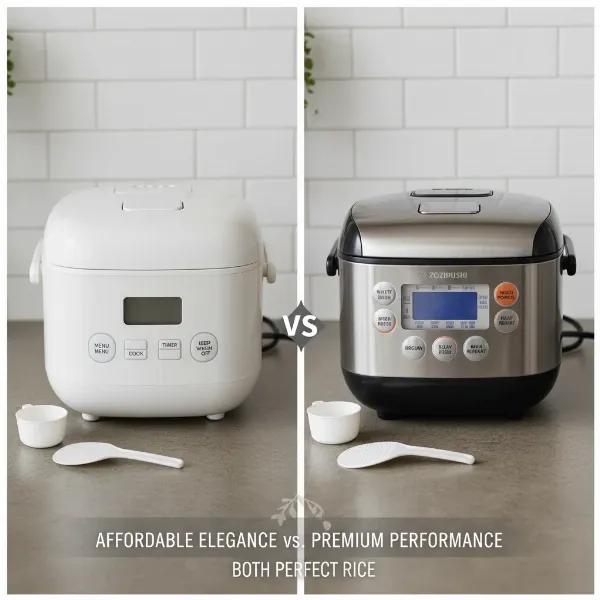
Picture this: you’ve prepared a delicious batch of fluffy rice, but your meal isn’t ready, or you need it to last for tomorrow’s lunch. The desire to keep rice perfectly warm for an extended period, perhaps even 24 hours, is a common one. However, achieving this “without spoiling” presents a significant food safety challenge that every home cook must understand. While the idea of maintaining a warm pot of rice all day is appealing for convenience, it’s crucial to navigate the fine line between perfectly warm grains and potential health risks. This guide will delve into the science of rice safety, explore various warming methods, and uncover the most reliable strategies for ensuring your rice remains safe and delicious for up to 24 hours.
Understanding the “Danger Zone” and Rice Safety
When it comes to cooked rice, food safety is paramount. The primary concern isn’t just about the rice drying out or becoming mushy; it’s about the potential growth of a harmful bacterium called Bacillus cereus. These spores are resilient and can survive the cooking process. If cooked rice is allowed to cool slowly or remain at certain temperatures for too long, these dormant spores can activate, multiply rapidly, and produce toxins that cause food poisoning.
The Science Behind Spoiling: Bacillus cereus
|
Our Picks for the Best Rice Cooker in 2026
As an Amazon Associate I earn from qualifying purchases.
|
||
| Num | Product | Action |
|---|---|---|
| 1 | Aroma Housewares 4-Cups (Cooked) / 1Qt. Rice & Grain Cooker (ARC-302NGBL), Blue |

|
| 2 | BLACK+DECKER Rice Cooker 6-Cup (Cooked) with Steaming Basket, Removable Non-Stick Bowl, White |
|
| 3 | Instant Pot 4QT RIO Mini 7-in-1 Multi-Cooker, Pressure Cooker, Slow cook, Sauté, Steam, Rice Maker, Yogurt, & Warmer, Sea Salt, 4 Quarts |
|
| 4 | AROMA® Mini Rice Cooker, 2-Cup (Uncooked) / 4-Cup (Cooked), Grain Cooker, Soup Maker, Oatmeal Cooker, Auto Keep Warm, 1 Qt, Milk Tea color |
|
| 5 | AROMA® Select Stainless® Rice Cooker, 3-Cup (Uncooked) / 6-Cup (Cooked), Stainless Steel Inner Pot, Small Rice Cooker, Auto Keep Warm, 1.2 Qt, White, ARC-753SG |
|
| 6 | AROMA® Mini Rice Cooker, 2-Cup (Uncooked) / 4-Cup (Cooked), Grain Cooker, Soup Maker, Oatmeal Cooker, Auto Keep Warm, 1 Qt, Light Green |
|
| 7 | AROMA Digital Rice Cooker, 4-Cup (Uncooked) / 8-Cup (Cooked), Steamer, Grain Cooker, Multicooker, 2 Qt, Stainless Steel Exterior, ARC-914SBD |
|
| 8 | COMFEE' Compact Rice Cooker, 6-in-1 Stainless Steel Multi Cooker, Slow Cooker, Steamer, Saute, and Warmer, 2 QT, 8 Cups Cooked(4 Cups Uncooked), Brown Rice, Quinoa and Oatmeal, 6 One-Touch Programs |
|
| 9 | Zojirushi Micom 3-Cup Compact Size, Multiple Settings, Stainless Steel Made, Built-In Retractable Power Cord and Easy to Transport Rice Cooker and Warmer |
|
| 10 | COSORI Rice Cooker 10 Cup, 24h Keep Warm, Non-stick Ceramic Inner Pot, 18 Functions Fuzzy Logic Rice Maker with Stainless Steel Steamer Basket, Sauté, Slow Cooker, Black |
|
Bacillus cereus is a common bacterium found in soil and various foods, including rice. While cooking destroys the active bacteria, the spores can remain. If cooked rice sits in the “danger zone”—temperatures where bacteria thrive—these spores can germinate, grow, and release toxins. These toxins are heat-resistant, meaning that even thorough reheating may not eliminate the risk once they’ve formed. Symptoms of Bacillus cereus food poisoning typically include vomiting and diarrhea, appearing within a few hours of consumption.
The Critical Temperature Range: 40°F to 140°F (4°C to 60°C)
Food safety experts identify the temperature range between 40°F (4°C) and 140°F (60°C) as the “danger zone.” In this range, bacteria, including Bacillus cereus, multiply most rapidly. To keep food safe, it must either be kept continuously above 140°F (60°C) or cooled quickly below 40°F (4°C). Cooked rice should not be left in this danger zone for more than two hours in total. For commercial settings, food should not be held in this zone for more than four hours before being discarded.
Why 24 Hours Warm is Risky for Most
Leaving rice continuously warm for 24 hours in a standard home appliance like a basic rice cooker or slow cooker is generally not recommended. Most “keep warm” functions are designed for a few hours (typically 2-3 hours) and may not consistently maintain a temperature above 140°F (60°C) throughout the entire batch for a full day, or the quality of the rice will significantly degrade. Prolonged exposure to lower warming temperatures risks entering the danger zone, providing a perfect environment for bacterial growth and toxin production, even if the rice appears visually fine.
Short-Term Warming (Up to 2-4 Hours): Maintaining Quality and Safety
For periods up to a few hours, several methods can safely keep your rice warm without compromising its quality or safety. These methods are ideal for serving rice shortly after cooking or for meals that are slightly delayed.
The Rice Cooker’s “Keep Warm” Function
Most modern rice cookers come equipped with a “keep warm” setting. This function typically maintains the rice at a temperature above 140°F (60°C), which is safe for preventing bacterial growth.
To use it effectively, simply switch to the “keep warm” mode once your rice is cooked. While this feature is convenient, its effectiveness for maintaining optimal texture usually lasts for about 2 to 3 hours. Beyond this, rice may begin to dry out, become gummy, or stick to the bottom of the pot. To combat drying, some people add a tablespoon of water before engaging the “keep warm” function.
Using a Slow Cooker or Crock-Pot
A slow cooker or crock-pot can also be a viable option for short-term rice warming.
Start by pouring about a 1/2 inch (1.3 cm) layer of water into the bottom of the slow cooker. Turn it on to its lowest setting. Once the water is warm, carefully add your cooked rice, spreading it evenly without mashing. The steam from the water helps to keep the rice moist. Stir the rice gently every 10 to 15 minutes, adding small amounts of water if it appears to be drying out. This method can keep rice warm and relatively moist for 2 to 3 hours.
Other Household Methods
If you don’t have a rice cooker or slow cooker, a few other methods can work for shorter durations:
- Oven on Low: Place your cooked rice in an oven-safe dish, cover it tightly with foil or a lid, and set your oven to its lowest temperature (typically around 150-200°F or 65-93°C). This can keep rice warm for about an hour.
- Insulated Containers: Using an insulated food container or a thermal server can maintain rice temperature for a couple of hours. Ensure the container is preheated with hot water before adding the rice to maximize heat retention.
- Chafing Dishes: Often used in buffets, chafing dishes with a heat source underneath (electric or Sterno) are designed to keep food, including rice, at a safe serving temperature for several hours. This is a more specialized option but highly effective.
The “Extended Keep Warm” Solution: High-End Rice Cookers
While standard home appliances typically aren’t designed for 24-hour warming, some advanced, high-end rice cookers offer features that come closer to this goal while maintaining safety.
What Makes Premium Rice Cookers Different?
Premium rice cookers from brands like Zojirushi or Cuckoo often feature sophisticated “extended keep warm” or “long-term keep warm” functions. These models incorporate advanced heating elements, superior insulation, and precise temperature controls that consistently keep rice above the 140°F (60°C) safety threshold for much longer periods. Some models claim to safely keep rice warm for up to 12, or even 24 hours. They often use fuzzy logic or induction heating to distribute heat more evenly, preventing burning or excessive drying.
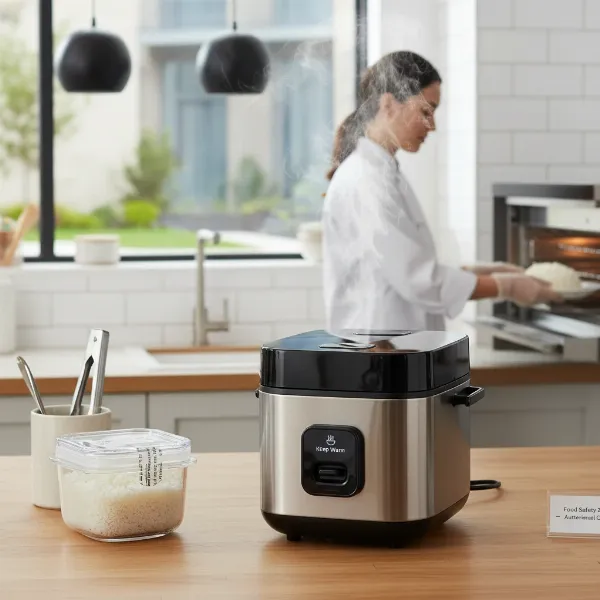 A modern rice cooker in keep warm mode, emphasizing food safety
Limitations and Quality Expectations for Longer Warming
Even with advanced technology, there are inherent limitations. While safety may be maintained, the texture and flavor of rice will inevitably degrade over such an extended warming period. Rice can become drier, slightly harder, or develop a noticeable change in taste. It won’t be as fresh as newly cooked rice. These functions are best utilized when the convenience of having warm rice readily available outweighs the slight reduction in optimal texture.
The Safest Strategy for 24 Hours: Chill, Store, Reheat
Given the food safety challenges and quality degradation associated with continuous 24-hour warming, the safest and most recommended strategy for having cooked rice available for a full day (or even longer) is to cook it, cool it rapidly, store it properly, and then reheat it when needed. This method eliminates the risk of bacterial growth in the danger zone.
Rapid Cooling: The Golden Rule
The most critical step in preparing rice for later consumption is rapid cooling. Do not leave cooked rice to cool slowly at room temperature.
- Spread it Out: As soon as the rice is cooked, spread it out in a thin layer on a clean, shallow tray or baking sheet. This increases the surface area and helps it cool down quickly.
- Divide into Portions: For larger batches, divide the rice into smaller portions to accelerate cooling.
- Cold Water Bath: You can place the shallow tray of rice over a larger tray filled with ice water, or even put hot rice into a clean colander and run cold water over it briefly, stirring to cool evenly.
- Cooling Timeline: The USDA recommends cooling rice to 70°F (21°C) within two hours of cooking, and then from 70°F (21°C) to 40°F (4°C) or below within an additional four hours. This means the total cooling process should not exceed six hours before refrigeration. Never leave rice to cool in a turned-off rice cooker or pan.
Proper Refrigeration Techniques
Once the rice has cooled rapidly, it must be refrigerated promptly.
- Airtight Containers: Transfer the cooled rice to clean, airtight, food-grade containers. This prevents cross-contamination and helps retain moisture.
- Shelf Life: Refrigerated cooked rice should ideally be consumed within 24 hours, especially according to some food safety agencies. However, if cooled and stored properly, many guidelines suggest it can be safe for up to 3-5 days. Always ensure your refrigerator is set to 40°F (4°C) or below.
- Moisture Retention: Adding a damp paper towel over the rice before sealing the container can help maintain moisture.
Freezing for Long-Term Storage
If you need to store rice for longer than a few days, freezing is the best option.
- Portion and Freeze: Let the rice cool completely after rapid cooling. Portion it into individual servings in freezer-safe bags or containers. Flatten freezer bags to remove excess air, which helps prevent freezer burn.
- Storage Duration: Cooked rice can be safely stored in the freezer for up to six months.
- Reheating from Frozen: You can reheat frozen rice directly from the freezer; there’s no need to thaw it first.
Best Practices for Reheating Cooked Rice
Reheating rice correctly is key to enjoying it safely and maintaining its texture. Always ensure rice is heated thoroughly to a safe internal temperature (at least 165°F or 74°C) before serving.
Microwave Magic: With a Damp Paper Towel
The microwave is one of the fastest and easiest ways to reheat small portions of rice.
- Method: Place the rice in a microwave-safe dish. Add a splash of water (about a tablespoon per cup of rice) and cover the dish loosely with a damp paper towel or microwave-safe lid.
- Process: Microwave on high for 1 to 2 minutes per serving, stirring halfway through to ensure even heating. Let it stand for a minute or two, then fluff with a fork before serving. The damp paper towel creates steam, preventing the rice from drying out.
Steaming on the Stovetop or Steamer Basket
Steaming is an excellent way to reintroduce moisture and achieve a fluffy texture.
- Stovetop: Add a small amount of water to a saucepan (about 1-2 tablespoons per cup of rice). Add the rice, cover with a tight-fitting lid, and heat over low heat for 5-7 minutes, or until thoroughly heated and steamy.
- Steamer Basket: Place the rice in a steamer basket over a pot of simmering water, cover, and steam for several minutes until hot.
Oven Reheating for Larger Batches
For larger quantities, the oven can reheat rice evenly.
- Method: Spread the rice in an even layer in a shallow, oven-safe baking dish. Add a small amount of water (about 1-2 tablespoons per cup of rice) and cover tightly with aluminum foil.
- Process: Heat in a preheated oven at 300°F (150°C) for 15-20 minutes, or until heated through. Fluff before serving.
Reheating in a Rice Cooker (if applicable)
Some advanced rice cookers have a dedicated “reheat” function, which is designed to bring chilled rice back to serving temperature. Consult your rice cooker’s manual for specific instructions on this feature.
Signs Your Rice Has Spoiled (and When to Discard It)
Knowing the signs of spoiled rice is crucial for preventing foodborne illness. While rapid cooling and proper storage greatly reduce risks, it’s always wise to inspect your rice before consumption.
Visual Cues and Odor
- Unusual Odor: A sour, off, or unpleasant smell is a clear indicator that the rice has gone bad. Fresh rice typically has a neutral or slightly sweet aroma.
- Discoloration: Look for any changes in color, such as yellowing, pink or green spots, or other unusual hues, which could indicate mold growth.
- Slimy Texture: If the rice feels slimy, sticky, or unusually mushy, it’s likely spoiled.
- Hard or Dry: While not directly a sign of spoilage, extremely hard or dry rice often indicates it’s past its prime and won’t be enjoyable to eat.
The “When in Doubt, Throw it Out” Principle
Food safety experts always advise adhering to the “when in doubt, throw it out” rule. If you have any concerns about the freshness, appearance, or smell of your cooked rice, it’s safer to discard it than risk food poisoning. This principle is particularly important with rice, given the invisible threat of Bacillus cereus toxins.
Conclusion
Keeping rice warm for 24 hours without spoiling is a complex task that hinges on strict adherence to food safety guidelines. While specialized high-end rice cookers offer “extended keep warm” functions that maintain safe temperatures, the safest and most reliable method for having cooked rice available over a 24-hour period involves rapid cooling, proper refrigeration, and thorough reheating. By understanding the risks of the food “danger zone” and adopting best practices for cooling, storing, and reheating, you can ensure your delicious rice remains both safe and enjoyable. Always trust your senses—if something seems off, it’s best to err on the side of caution.
How do you plan to incorporate these safe rice-handling practices into your cooking routine?
Frequently Asked Questions
How long can cooked rice sit out at room temperature?
Cooked rice should not sit out at room temperature for more than two hours. This is because bacteria like Bacillus cereus can rapidly multiply in temperatures between 40°F and 140°F (4°C and 60°C), producing toxins that cause food poisoning. Always refrigerate or freeze rice promptly after cooling.
Can I put hot rice directly into the fridge?
It’s generally not recommended to put a large quantity of very hot rice directly into the fridge, as it can raise the internal temperature of your refrigerator, potentially affecting other foods. Instead, rapidly cool the rice first by spreading it in a thin layer on a shallow tray before transferring it to airtight containers and refrigerating.
What is Bacillus cereus, and why is it dangerous in rice?
Bacillus cereus is a common bacterium whose spores can survive the cooking process in rice. If cooked rice is left at room temperature, these spores can germinate and multiply, producing toxins that cause food poisoning symptoms like vomiting and diarrhea. These toxins are heat-resistant, so reheating won’t destroy them.
Do all rice cookers have a safe “keep warm” function for long periods?
No, not all rice cookers are designed for long-period warming. Most basic rice cooker “keep warm” functions are safe for only 2-3 hours, after which rice quality degrades and the risk of temperature dropping into the danger zone increases. Only high-end models with “extended keep warm” features are designed for longer durations (up to 12-24 hours), but even then, rice texture may change.
How can I tell if my cooked rice has gone bad?
You can identify spoiled rice by several signs. Look for any unusual odors, such as a sour or off smell. Also, check for discoloration, like yellowing or mold spots. If the rice develops a slimy, sticky, or unusually mushy texture, it is a strong indication that it has spoiled and should be discarded immediately.