Let’s be honest, unboxing a new kitchen appliance is a little thrill. And a rice cooker? That’s a promise of perfectly fluffy rice, every single time. But between the heating elements, the steam, and the electricity, a little voice might whisper, “Am I doing this right?” That’s why understanding how to use a rice cooker safely isn’t just about following rules; it’s about unlocking the full, stress-free potential of your new kitchen sidekick. We at Rice Cooker Hot believe that confidence is the secret ingredient to any great meal. So, let’s plug in (safely, of course) and demystify this brilliant machine together, turning you from a cautious beginner into a rice-cooking pro.
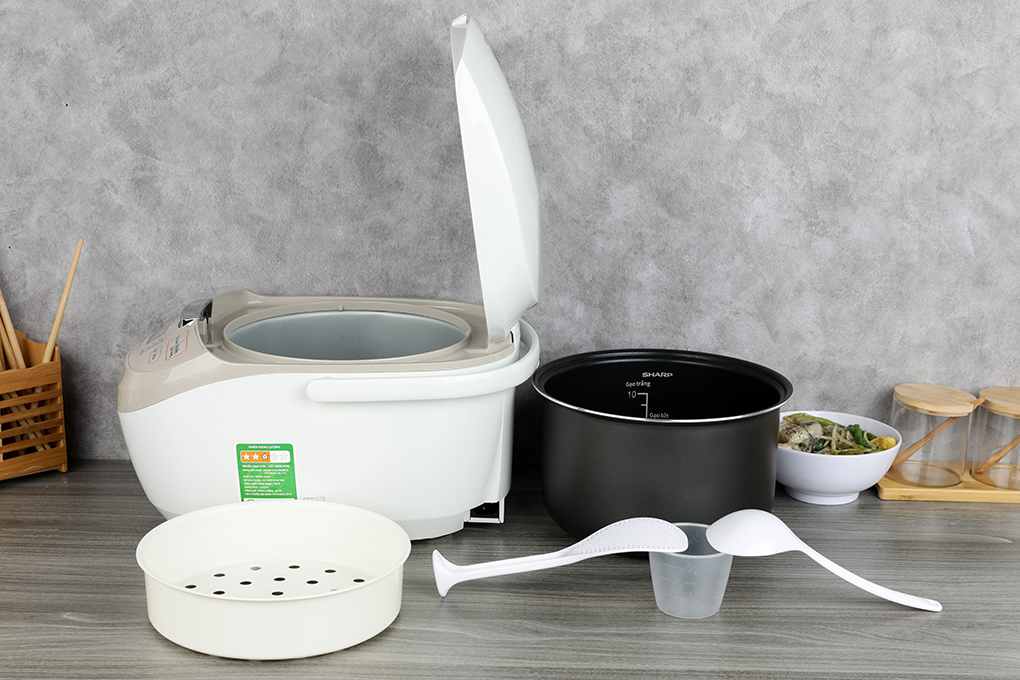
Before You Even Plug It In: A Pre-Flight Safety Check
Just like a pilot inspects their plane, a quick once-over of your rice cooker before each use is a simple habit that pays off in safety and longevity. It takes less than a minute.
- Check the Cord and Plug: Look for any frays, cracks, or exposed wires. A damaged cord is a serious electrical hazard and should be replaced immediately. Never use a cooker with a compromised power cord.
- Inspect the Inner Pot: Make sure the inner cooking pot is clean, dry, and free of any major dents. A significant dent can create a gap between the pot and the heating element, leading to uneven cooking and potential overheating.
- Wipe the Heating Element: Look inside the main body of the cooker. See that metal plate at the bottom? That’s the heart of your machine. Give it a quick wipe with a dry cloth to remove any stray grains of rice, dust, or moisture. Debris here can burn and cause unpleasant smells or damage the sensor.
The A-to-Z Guide: How to Use a Rice Cooker Safely, Step by Step
Ready for perfect, foolproof rice? The process is beautifully simple, but paying attention to the details in each step is what guarantees both safety and delicious results.
- Measure Your Rice and Water Accurately: This is the foundation. Always use the measuring cup that came with your rice cooker. It’s often not a standard US cup (it’s usually about 180ml). The lines inside your inner pot correspond to this specific cup. Mismatched measurements are the number one cause of watery or burnt rice.
- Rinse Your Rice (In a Separate Bowl!): Never, ever rinse rice directly in the inner pot. Why? First, the non-stick coating is durable but not invincible; swishing hard grains against it can cause micro-scratches over time. Second, you risk getting water on the outside of the pot, which is a major safety no-no. Rinse your rice in a separate bowl or sieve until the water runs mostly clear.
- Dry the Outside of the Inner Pot Completely: This is arguably the most critical safety step. Before placing the inner pot back into the cooker’s body, take a moment to wipe the entire exterior, especially the bottom, with a dry towel. Any water on the outside can trickle down to the heating element, causing a short circuit, a loud sizzling sound, or permanent damage to your appliance.
“The connection between the inner pot and the heating element is crucial for proper temperature regulation. A single drop of water between these surfaces can interfere with the heat sensors and, in a worst-case scenario, create an electrical fault. A dry pot is a safe pot.” – Dr. Evelyn Reed, Senior Product Engineer at Rice Cooker Hot.
- Place the Pot Inside and Give It a Little Wiggle: Set the inner pot onto the heating element. Gently twist it left and right a couple of times. You should feel it settle snugly onto the heating plate. This ensures full contact for even heat distribution.
- Close the Lid and Plug It In: Make sure the lid clicks shut securely. A poorly sealed lid will let steam escape, affecting the cooking process and potentially spattering hot water. Plug the cooker directly into a wall outlet. Avoid using extension cords if possible, as some may not be rated for the wattage of a heating appliance.
- Press the Magic Button: Select your cook setting. For most basic models, it’s a single “Cook” or “Start” button. The cooker takes over from here, automatically sensing when the rice has absorbed all the water and switching to the “Keep Warm” mode.
- Let It Rest: Resist the temptation to open the lid the second it switches to “Warm.” Let the rice steam for an additional 10-15 minutes. This allows the moisture to redistribute evenly, resulting in a fluffier, more perfect texture.
- Fluff and Serve with the Right Tools: Open the lid carefully, tilting it away from you to direct the hot steam safely. Use the plastic or silicone paddle that came with your cooker to fluff the rice. Never use metal utensils like forks or spoons, as they will scratch and ruin the non-stick coating.
What Are the Most Common Rice Cooker Mistakes to Avoid?
Learning how to use a rice cooker safely also means knowing what not to do. We’ve seen it all, and these are the most common pitfalls that can be easily avoided.
- Overfilling the Cooker: Pay close attention to the maximum fill line inside the pot. Overfilling can cause boiling water and starchy foam to bubble up and spew out of the steam vent, creating a huge mess and a potential burn hazard.
- Blocking the Steam Vent: The little vent on the lid is essential. It releases pressure and steam during the cooking cycle. Make sure it’s never covered by a kitchen towel or placed directly under a cabinet, which could trap steam and damage the wood.
- Adding Ingredients That Don’t Belong: Don’t try to deep-fry or sauté with high-heat oil in a standard rice cooker. They are not designed for that kind of heat and you risk damaging the pot and the heating element. For creative recipes, stick to things that steam or simmer, like soups, oatmeal, or steamed vegetables.
- Submerging the Main Unit in Water: This should go without saying, but it happens. Only the inner pot and sometimes a removable inner lid are washable. The main body of the cooker contains all the electrical components and must never be put in a sink or dishwasher.
Cleaning and Maintenance: The Secret to a Long-Lasting Cooker
A clean cooker is a safe and efficient cooker. Regular cleaning prevents buildup of starchy residue, which can affect performance and hygiene.
Your Post-Cooking Cleaning Checklist
- Always unplug the unit and let it cool down completely before cleaning.
- Wash the inner pot with warm, soapy water and a soft sponge. Avoid abrasive scourers.
- Clean the inner lid if it’s removable. Check your manual for instructions.
- Wipe the steam vent and collection cup (if your model has one).
- Wipe down the exterior and the heating plate with a damp, soft cloth, then dry thoroughly.
Frequently Asked Questions (FAQ)
Q1: Can I leave my rice cooker on “Keep Warm” overnight?
A: While most modern rice cookers are designed to hold rice safely on “Keep Warm” for several hours, it’s not recommended to leave it on overnight. The rice can dry out, and for optimal food safety, cooked rice shouldn’t be held at that temperature for more than 12 hours.
Q2: Is it safe to put oil or butter in my rice cooker with the rice?
A: Yes, it is generally safe to add small amounts of oil or butter with your rice and water. This can help prevent foaming and add flavor. However, do not use it as a deep fryer.
Q3: Why is my rice cooker sputtering and spitting out starchy water?
A: This is almost always caused by one of two things: you’ve either overfilled the pot with too much rice and water, or you haven’t rinsed your rice thoroughly enough. The excess surface starch on unrinsed rice creates a foam that can easily boil over.
Q4: Can I cook things other than rice in my rice cooker?
A: Absolutely! Rice cookers are surprisingly versatile. You can steam vegetables, cook quinoa, make oatmeal, or even cook simple soups and stews. Just be mindful of the “max fill” line and avoid recipes that require high-heat searing.
Q5: What should I do if my rice cooker smells like it’s burning?
A: Unplug it immediately. Once it has cooled, check the heating plate for any spilled food, debris, or a stray grain of rice that might be scorching. Also, ensure the bottom of your inner pot was completely dry before you started cooking.
Your Partner for Perfect, Safe Meals
Mastering how to use a rice cooker safely transforms it from a simple appliance into a reliable and cherished partner in your kitchen. It’s about more than just convenience; it’s about the peace of mind that comes from knowing you’re creating delicious meals in a smart, secure way. By following these simple steps and respecting the machine, you’re not just making rice—you’re making room for more joy and creativity in your daily cooking.
We’d love to hear about your rice cooker adventures! Share your favorite tips or creative recipes in the comments below.