Elevate your weeknight meals from simple to sensational with the magic of simultaneous cooking. If you own a rice cooker, you already possess a powerful tool capable of more than just perfectly cooked grains. This humble kitchen appliance can effortlessly steam vibrant, nutrient-rich vegetables right alongside your rice, saving you time and counter space. Imagine a complete, healthy meal prepared with minimal effort and maximum flavor—a dream that your rice cooker can turn into reality. This guide will walk you through everything you need to know, from preparation to timing, ensuring your steamed vegetables are always crisp, colorful, and delicious.
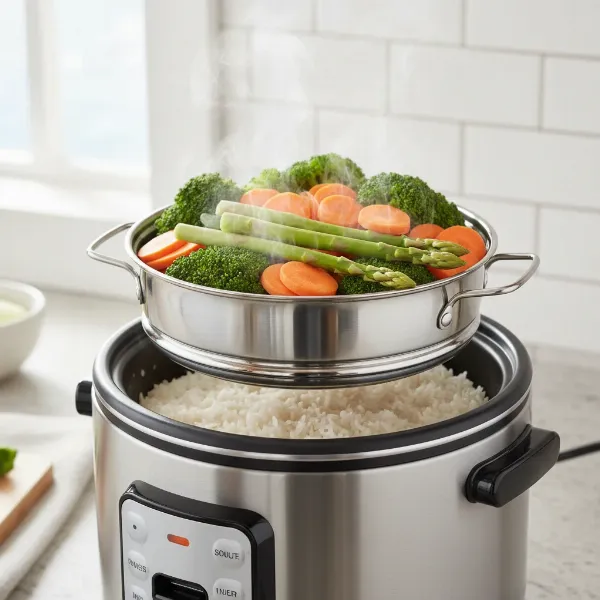 A rice cooker with a steamer basket on top, filled with vibrant, healthy vegetables like broccoli and carrots.
The Rice Cooker’s Dual Power: Steaming Beyond Rice
A rice cooker, at its core, is designed to cook rice consistently by maintaining precise temperature and humidity. This controlled environment makes it an ideal, often overlooked, appliance for steaming. Unlike stovetop methods that demand constant attention to water levels and heat adjustments, a rice cooker automates much of the process, ensuring gentle cooking that retains more nutrients and natural flavors in your vegetables.
While basic rice cookers primarily offer “Cook” and “Keep Warm” settings, many modern models feature dedicated “Steam” functions or come equipped with steamer trays. Even a simple, mechanical rice cooker can become a versatile steamer, offering a convenient way to prepare healthy side dishes with just the press of a button. From basic models to advanced induction-heating (IH) rice cookers, the principle remains the same: steam generated from boiling water cooks food gently above the primary cooking chamber.
Essential Guide to Steaming Vegetables in Your Rice Cooker
Achieving perfectly steamed vegetables requires a few simple steps, focusing on preparation, setup, and crucial timing.
Preparing Your Vegetables for Optimal Steaming
|
Our Picks for the Best Rice Cooker in 2026
As an Amazon Associate I earn from qualifying purchases.
|
||
| Num | Product | Action |
|---|---|---|
| 1 | AROMA® Select Stainless® Rice Cooker, 3-Cup (Uncooked) / 6-Cup (Cooked), Stainless Steel Inner Pot, Small Rice Cooker, Auto Keep Warm, 1.2 Qt, White, ARC-753SG |

|
| 2 | BLACK+DECKER Rice Cooker 6-Cup (Cooked) with Steaming Basket, Removable Non-Stick Bowl, White |
|
| 3 | Instant Pot 4QT RIO Mini 7-in-1 Multi-Cooker, Pressure Cooker, Slow cook, Sauté, Steam, Rice Maker, Yogurt, & Warmer, Sea Salt, 4 Quarts |
|
| 4 | AROMA® Mini Rice Cooker, 2-Cup (Uncooked) / 4-Cup (Cooked), Grain Cooker, Soup Maker, Oatmeal Cooker, Auto Keep Warm, 1 Qt, Light Green |
|
| 5 | AROMA Digital Rice Cooker, 4-Cup (Uncooked) / 8-Cup (Cooked), Steamer, Grain Cooker, Multicooker, 2 Qt, Stainless Steel Exterior, ARC-914SBD |
|
| 6 | Aroma Housewares 4-Cups (Cooked) / 1Qt. Rice & Grain Cooker (ARC-302NGBL), Blue |
|
| 7 | COMFEE' Compact Rice Cooker, 6-in-1 Stainless Steel Multi Cooker, Slow Cooker, Steamer, Saute, and Warmer, 2 QT, 8 Cups Cooked(4 Cups Uncooked), Brown Rice, Quinoa and Oatmeal, 6 One-Touch Programs |
|
| 8 | AROMA® Mini Rice Cooker, 2-Cup (Uncooked) / 4-Cup (Cooked), Grain Cooker, Soup Maker, Oatmeal Cooker, Auto Keep Warm, 1 Qt, Milk Tea color |
|
| 9 | Zojirushi Micom 3-Cup Compact Size, Multiple Settings, Stainless Steel Made, Built-In Retractable Power Cord and Easy to Transport Rice Cooker and Warmer |
|
| 10 | COSORI Rice Cooker 10 Cup, 24h Keep Warm, Non-stick Ceramic Inner Pot, 18 Functions Fuzzy Logic Rice Maker with Stainless Steel Steamer Basket, Sauté, Slow Cooker, Black |
|
The journey to tender-crisp vegetables begins with proper preparation. Wash all your vegetables thoroughly to remove any dirt or debris. Next, cut them into uniform sizes. This is a critical step because evenly sized pieces will cook at the same rate, preventing some from becoming mushy while others remain raw. For example, broccoli florets should be roughly 1 to 1.5 inches, and carrots sliced thinly.
When selecting vegetables, consider their density. Harder root vegetables like carrots, potatoes, and sweet potatoes require longer steaming times than softer, more delicate vegetables such as zucchini, asparagus, or leafy greens. Frozen vegetables can also be steamed effectively in a rice cooker and are a convenient option for quick meals. Regardless of whether you use fresh or frozen, ensure you don’t overcrowd the steamer basket, as proper steam circulation is key for even cooking.
Setting Up Your Rice Cooker for Simultaneous Steaming
To steam vegetables while cooking rice, you’ll first prepare your rice as usual, adding the appropriate amount of water to the inner pot. For steaming, you might need to add a little extra water—typically 1 to 2 cups—to the inner pot, ensuring it doesn’t touch the bottom of your steamer tray. This extra water generates the steam needed for your vegetables without interfering with the rice cooking below.
Most rice cookers designed for steaming come with a dedicated steamer basket, often made of plastic or metal, that fits snugly above the inner rice pot. If your rice cooker doesn’t have one, you can purchase a universal metal or bamboo steamer basket that fits inside or rests on the rim of your inner pot. Some users even improvise with heat-safe stainless steel bowls that hang off the edge, topped with a silicone mat, to create a steaming surface. Place your prepared vegetables in a single layer within this basket.
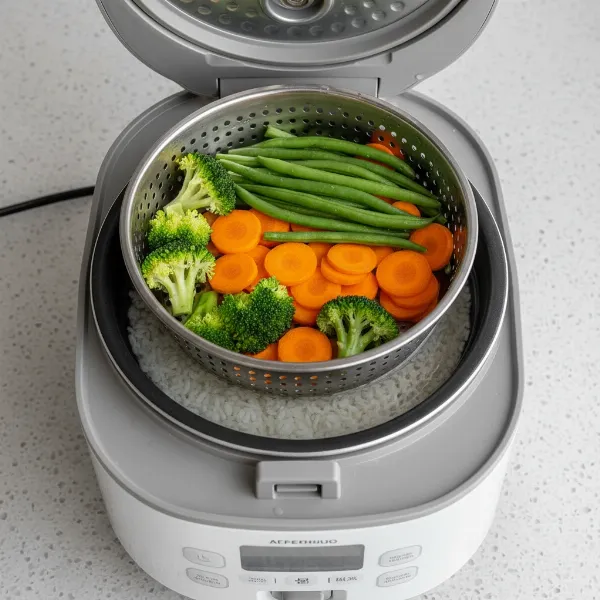 Detailed view of a rice cooker setup with a steamer basket full of uniformly cut vegetables.
Timing is Everything: When to Add and Remove Vegetables
Timing is the most crucial factor in preventing overcooked, mushy vegetables. Since rice typically cooks for 20-45 minutes (depending on type and cooker), and vegetables have much shorter steaming times, you’ll need to add them strategically.
A general guideline is to add most vegetables to the steamer basket during the last 5 to 15 minutes of the rice cooking cycle. For example, if your white rice takes approximately 20 minutes to cook, consider adding:
- Delicate greens (spinach, kale, zucchini rounds): Last 3-5 minutes.
- Broccoli florets, asparagus, bell peppers: Last 5-7 minutes.
- Carrots (sliced thin), green beans, corn on the cob: Last 6-10 minutes.
- Harder vegetables (potato cubes, sweet potato, parsnips): Last 10-15 minutes, or even longer if cut into larger pieces, potentially requiring a slight adjustment to the rice water or pre-steaming if they’re very dense.
Monitor your vegetables closely. As soon as they reach your desired level of tenderness—typically tender-crisp—remove them promptly from the rice cooker to halt the cooking process. Over-steaming, even by a few minutes, can lead to undesirable mushy textures and a loss of nutrients.
“The key to perfectly steamed vegetables in a rice cooker lies in precise timing and not overcrowding the basket, ensuring each piece cooks evenly and retains its vibrant color and texture.”
Pro Tips for Perfect Steamed Vegetables
Beyond the basic steps, these professional tips will help you consistently achieve delicious results and avoid common pitfalls.
Choosing the Right Vegetables
For optimal results, select vegetables that steam well and complement your meal. Harder, denser vegetables like carrots, potatoes, and sweet potatoes can withstand longer steaming times. Softer vegetables such as broccoli, cauliflower, zucchini, bell peppers, and snap peas cook quickly. Leafy greens like spinach or kale require very short steaming periods, often just 2-3 minutes, and can be added almost at the very end. Frozen vegetables are also excellent for rice cooker steaming, often requiring similar times to their fresh counterparts but benefiting from being added slightly earlier due to their frozen state.
Preventing Mushy Vegetables
Mushy vegetables are the bane of any steamed dish. To prevent this, always cut vegetables into uniform sizes to promote even cooking. Avoid overfilling your steamer basket; vegetables should ideally be in a single layer to allow steam to circulate freely. Most importantly, remove vegetables as soon as they are tender-crisp. The residual heat inside the rice cooker, even after it switches to “Keep Warm,” can continue to cook them, so prompt removal is essential. If using delicate greens, some chefs blanch them briefly in boiling water and then chill them in ice water before steaming to maintain their vibrant color and texture.
Flavor Enhancements
Steaming itself is a mild cooking method, so seasoning after steaming is crucial for maximum flavor. Toss your freshly steamed vegetables with a drizzle of high-quality olive oil, a squeeze of fresh lemon juice, a sprinkle of sea salt, freshly cracked black pepper, or a dash of your favorite herbs and spices. Consider adding garlic powder, onion powder, a pinch of red pepper flakes, or even a touch of sesame oil for an Asian-inspired twist. These additions will awaken their natural flavors without overpowering them.
Troubleshooting Common Issues
- Uneven Cooking: This is usually due to inconsistent vegetable size or an overcrowded steamer basket. Ensure pieces are uniform and arranged in a single layer.
- Watery Vegetables: If vegetables are too wet, it might be due to not shaking off excess water after washing or overcrowding. Make sure there’s enough space for steam to escape and condense properly.
- Still Raw/Too Hard: You might have added them too late, or they are very dense. For very hard vegetables, consider cutting them into smaller pieces or adding them earlier in the rice cooking cycle.
Rice Cooker Models and Steaming
While most rice cookers can steam, their capabilities vary. Basic models with just “Cook” and “Warm” settings rely on the general steam generated. Advanced models often have specific “Steam” settings, which might offer more control over temperature and time. Some rice cookers come with multi-tiered steamer baskets, allowing you to steam different vegetables or even proteins simultaneously, optimizing the cooking process for a diverse meal.
Comparing Steaming Methods in a Rice Cooker
While using a dedicated steamer basket is the most common approach, other methods can also be employed in a rice cooker to achieve steamed vegetables.
Using a Steamer Basket
This is the standard and most recommended method. A steamer basket (metal, bamboo, or the one provided with your cooker) fits above the rice, allowing steam to gently cook the vegetables.
- Pros: Even cooking, vegetables remain separate from the rice, retains shape and texture, easy removal.
- Cons: Requires a specific accessory, limits the volume of vegetables you can steam at once.
Foil Packet (En Papillote) Method
For a flavorful alternative, consider cooking vegetables “en papillote” (in parchment paper or aluminum foil packets). Place your chopped vegetables with a pat of butter, herbs, and seasonings inside a tightly sealed foil packet. This packet can then be placed directly on top of the cooking rice.
- Pros: Infuses vegetables with flavor, easy cleanup, prevents vegetables from getting mushy by keeping them sealed, can accommodate different seasonings for individual portions.
- Cons: Less of a true “steamed” texture, might require longer cooking than open steaming, can be fiddly to assemble.
Mixing Directly with Rice
Some quick-cooking or frozen vegetables, particularly diced carrots, peas, or corn, can be mixed directly into the rice and water before cooking.
- Pros: Ultimate one-pot convenience, no extra accessories needed.
- Cons: High risk of overcooking, especially for delicate vegetables, leading to a very soft, mushy texture. Flavors of the vegetables might heavily infuse the rice, which may not always be desired. Best suited for vegetables meant to blend into the rice, not stand out as a separate side.
Beyond the Basics: Storage and Reheating
If you have leftover steamed vegetables, proper storage and reheating are key to maintaining their quality. Store cooled, steamed vegetables in an airtight container in the refrigerator for up to 3-4 days.
For reheating, avoid methods that can make them soggy or rubbery. The best options include:
- Steaming: A quick re-steam in your rice cooker (or stovetop steamer) for 1-2 minutes.
- Microwave: A short blast (30-60 seconds) in the microwave, covered, with a tablespoon of water, can gently warm them through.
- Sautéing: Lightly sautéing them in a pan with a little oil can add a fresh texture and flavor.
Conclusion
Steaming vegetables in your rice cooker while cooking rice is a testament to efficient, healthy home cooking. By mastering a few simple techniques—from uniform cutting and smart timing to thoughtful seasoning—you can transform everyday meals into vibrant, nutritious feasts with minimal effort. This dual-purpose appliance not only saves time but also preserves the essential nutrients and crisp texture of your produce, ensuring every bite is as delicious as it is wholesome. Embrace the versatility of your rice cooker, and unlock a world of convenient, healthful cooking. What delicious vegetable combinations will you try steaming in your rice cooker next?
Frequently Asked Questions
Can I steam frozen vegetables in my rice cooker?
Yes, frozen vegetables are excellent for steaming in a rice cooker. They often require similar steaming times to fresh vegetables, or sometimes a minute or two longer due to their frozen state. Just place them directly in the steamer basket over your cooking rice.
How much water do I need for steaming vegetables in a rice cooker?
For steaming vegetables alongside rice, you typically need to add 1 to 2 cups of water to the inner pot, in addition to the water required for your rice. Ensure this water level is enough to generate steam without touching the bottom of your steamer basket.
What if my rice cooker doesn’t have a steamer basket?
If your rice cooker lacks a dedicated steamer basket, you can often use a universal collapsible metal or bamboo steamer that fits inside your pot. Alternatively, a heat-safe stainless steel bowl resting on the inner pot’s rim can serve as a makeshift steaming platform.
How long does it take to steam carrots in a rice cooker?
Thinly sliced carrots typically take about 6-10 minutes to steam in a rice cooker, depending on their thickness and your desired tenderness. For optimal results, add them to the steamer basket during the last 6-10 minutes of your rice cooking cycle.
Can I open the rice cooker lid during steaming?
While it’s generally recommended to keep the rice cooker lid closed for consistent rice cooking, you can quickly open it to add vegetables during the last 5-15 minutes of the cycle. Do this as swiftly as possible to minimize heat and steam loss, then close the lid tightly.