Leftover rice can be a culinary lifesaver, providing a quick base for countless meals. However, the joy of convenience often clashes with the challenge of transforming cold, dry grains back into their fluffy, delicious state. If you’ve ever faced the disappointment of hard, unappetizing reheated rice, you’re alone. This comprehensive guide will equip you with expert techniques and essential food safety tips to ensure your leftover rice tastes as fresh and delightful as it did right out of the cooker.
Understanding Why Rice Dries Out and How to Prevent It
When rice cools, a natural process called starch retrogradation occurs, where the starches recrystallize, making the grains firm and sometimes brittle. This, combined with moisture loss as the rice sits in the refrigerator, is why your perfectly fluffy rice can become dry and clumpy overnight. The key to successful reheating begins with proper storage immediately after cooking.
To minimize drying and prevent the growth of harmful bacteria, it’s crucial to cool cooked rice rapidly after serving. Spread hot rice on a baking sheet or divide it into smaller, shallow containers to help it cool quickly. Aim to refrigerate the rice within one hour of cooking. Always store leftover rice in an airtight container in the refrigerator to seal in moisture and keep it fresh. Properly stored, rice can generally be consumed within 3 to 4 days, though some experts recommend within 24 hours for optimal safety.
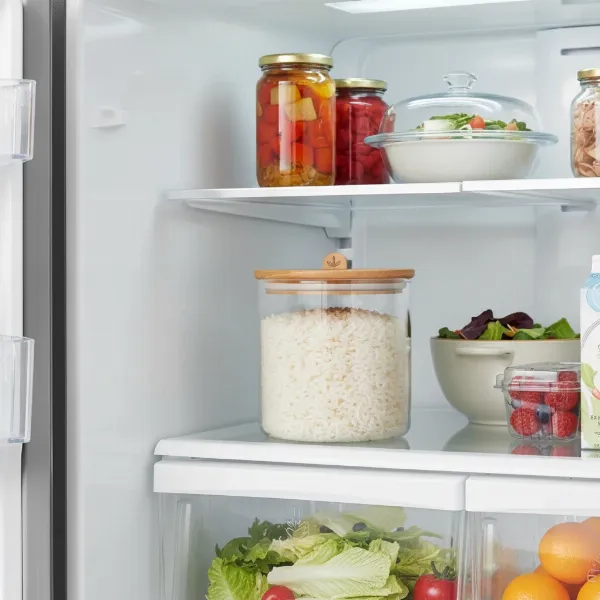 a close-up of cooked white rice being stored in a clear, airtight container in a refrigerator
The Best Methods for Reheating Cold Rice
Achieving perfectly reheated rice that rivals its fresh counterpart depends on introducing moisture and gentle, even heat. Here are the most effective methods, each with its own advantages.
Microwave Method: Quick and Convenient
|
Our Picks for the Best Rice Cooker in 2026
As an Amazon Associate I earn from qualifying purchases.
|
||
| Num | Product | Action |
|---|---|---|
| 1 | AROMA® Mini Rice Cooker, 2-Cup (Uncooked) / 4-Cup (Cooked), Grain Cooker, Soup Maker, Oatmeal Cooker, Auto Keep Warm, 1 Qt, Milk Tea color |

|
| 2 | Zojirushi Micom 3-Cup Compact Size, Multiple Settings, Stainless Steel Made, Built-In Retractable Power Cord and Easy to Transport Rice Cooker and Warmer |
|
| 3 | BLACK+DECKER Rice Cooker 6-Cup (Cooked) with Steaming Basket, Removable Non-Stick Bowl, White |
|
| 4 | COSORI Rice Cooker 10 Cup, 24h Keep Warm, Non-stick Ceramic Inner Pot, 18 Functions Fuzzy Logic Rice Maker with Stainless Steel Steamer Basket, Sauté, Slow Cooker, Black |
|
| 5 | AROMA Digital Rice Cooker, 4-Cup (Uncooked) / 8-Cup (Cooked), Steamer, Grain Cooker, Multicooker, 2 Qt, Stainless Steel Exterior, ARC-914SBD |
|
| 6 | Aroma Housewares 4-Cups (Cooked) / 1Qt. Rice & Grain Cooker (ARC-302NGBL), Blue |
|
| 7 | Instant Pot 4QT RIO Mini 7-in-1 Multi-Cooker, Pressure Cooker, Slow cook, Sauté, Steam, Rice Maker, Yogurt, & Warmer, Sea Salt, 4 Quarts |
|
| 8 | AROMA® Mini Rice Cooker, 2-Cup (Uncooked) / 4-Cup (Cooked), Grain Cooker, Soup Maker, Oatmeal Cooker, Auto Keep Warm, 1 Qt, Light Green |
|
| 9 | COMFEE' Compact Rice Cooker, 6-in-1 Stainless Steel Multi Cooker, Slow Cooker, Steamer, Saute, and Warmer, 2 QT, 8 Cups Cooked(4 Cups Uncooked), Brown Rice, Quinoa and Oatmeal, 6 One-Touch Programs |
|
| 10 | AROMA® Select Stainless® Rice Cooker, 3-Cup (Uncooked) / 6-Cup (Cooked), Stainless Steel Inner Pot, Small Rice Cooker, Auto Keep Warm, 1.2 Qt, White, ARC-753SG |
|
The microwave is often the go-to for speed, but a few simple tricks can prevent your rice from turning into a dry, chewy mess. This method is ideal for single servings or smaller portions.
To reheat, transfer your cold rice to a microwave-safe bowl. For every cup of rice, add 1 to 2 tablespoons of water or broth. Crucially, cover the bowl tightly with a microwave-safe lid or a damp paper towel. This creates a steaming environment that rehydrates the grains. Heat on high for 1-minute intervals, stirring and fluffing with a fork after each interval, until the rice is steaming hot throughout and reaches an internal temperature of 165°F (73°C).
Stovetop Method: For Even Heating
For rice that tastes almost identical to freshly cooked, the stovetop method is often hailed as the best. It allows for more controlled, even heating and results in a wonderfully soft, fluffy texture.
Transfer the cold rice to a saucepan or skillet, breaking up any large clumps. Add approximately 2 tablespoons of water or broth per cup of rice. Cover the pan tightly with a lid and heat over low heat for about 5 minutes. The goal is to generate steam within the pot, gently rehydrating the rice. Once heated through, remove the pan from the heat and let it sit, covered, for another 5 minutes to allow the rice to absorb more steam, leading to fluffier results.
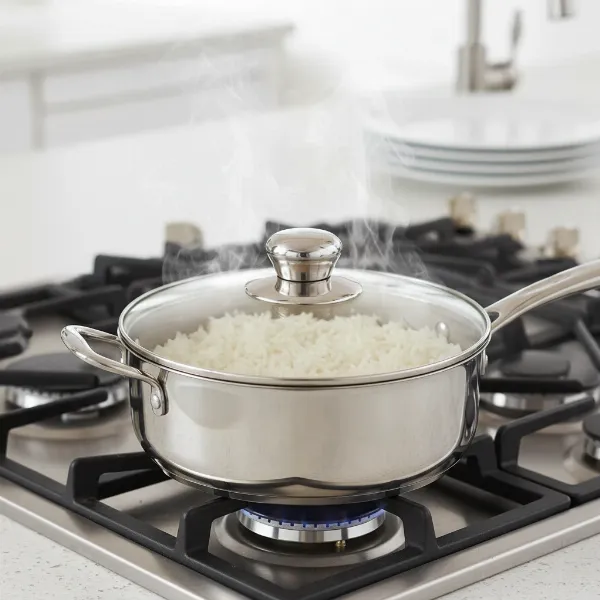 a saucepan on a stovetop with rice, water, and a tightly fitted lid, steam gently escaping
Steaming Method: For Optimal Texture
Steaming is an excellent choice for rehydrating rice without making it soggy. This method locks in moisture, giving the rice a tender and plump texture.
Place your cold rice in a heat-safe bowl or directly into a steamer basket. You may add a tablespoon of water per cup of rice, though often the steam itself is sufficient. Place the bowl or basket into a steamer over boiling water. Cover tightly and steam for about 5-10 minutes, or until the rice is thoroughly heated and plump. This gentle method is particularly effective for preserving the delicate texture of different rice varieties.
Oven Method: Best for Larger Batches
When you need to reheat a larger quantity of rice, the oven offers a hands-off approach that ensures consistent heat distribution.
Preheat your oven to 300°F (150°C). Spread the cold rice evenly in a shallow, oven-safe dish, breaking apart any clumps. Add about 1 tablespoon of water or broth for every cup of rice. Cover the dish tightly with aluminum foil or an oven-safe lid to trap the moisture. Bake for 15 to 20 minutes, or until the rice is steaming hot all the way through. Stir a pat of butter into the rice before serving for added flavor and moisture.
Expert Tips for Perfect Reheated Rice
Beyond the specific heating methods, a few universal tips can elevate your reheated rice from good to great.
Adding Moisture: The Key to Freshness
The secret to fresh-tasting reheated rice lies in replacing the moisture lost during refrigeration. Whether you use water, vegetable broth, chicken broth, or even a tiny pat of butter or a splash of milk, this added liquid turns into steam, rehydrating the dry grains. Always cover your rice during reheating to ensure this steam is trapped and absorbed effectively.
Preventing Stickness and Achieving Fluffiness
Breaking up rice clumps before reheating is crucial for even heating and preventing stickiness. Use a fork to gently separate the grains. During microwave reheating, stirring occasionally helps distribute heat more uniformly. For stovetop and oven methods, ensuring a tight cover helps the rice absorb moisture without becoming gummy.
Food Safety First: Reheating Guidelines
Food safety is paramount when reheating rice due to the potential presence of Bacillus cereus spores, which can survive cooking. These bacteria can multiply rapidly if rice is left at room temperature and produce toxins that are not destroyed by reheating.
“Reheating rice is not dangerous, but reheating rice won’t make it safe to eat if it was stored improperly. Once bacteria have enough time to do their thing, heating the rice won’t kill the toxins they produce.”
Always cool cooked rice quickly (ideally within one hour) and refrigerate it promptly in an airtight container. Reheat rice only once, and ensure it reaches an internal temperature of 165°F (73°C) and is steaming hot throughout. Discard any rice that has been left at room temperature for more than one hour or reheated more than once.
Table Comparison of Reheating Methods
| Method | Time (approx.) | Effort | Best For | Resulting Texture |
|---|---|---|---|---|
| Microwave | 2-4 minutes | Low | Small portions | Moist, can be slightly uneven |
| Stovetop | 10-15 minutes | Medium | Small to medium portions | Soft, fluffy, closest to fresh |
| Steaming | 5-10 minutes | Medium | Small to medium portions | Plump, tender, excellent moisture |
| Oven | 15-20 minutes | Low (hands-off) | Larger batches | Evenly heated, good moisture |
Common Mistakes to Avoid When Reheating Rice
To ensure your reheated rice is safe and delicious, steer clear of these common errors:
- Not adding moisture: This is the primary reason rice dries out. Always add a small amount of liquid.
- Overheating: Too much heat can make rice tough or mushy. Heat in short intervals and check frequently.
- Leaving rice out too long: Cooked rice should not be left at room temperature for more than one hour before refrigeration to prevent bacterial growth.
- Reheating multiple times: For safety, rice should only be reheated once. Plan portions accordingly.
- Not covering the rice: A tight cover is essential for trapping steam and rehydrating the grains.
Beyond Reheating: Creative Ways to Use Leftover Rice
Sometimes, instead of simply reheating, you might want to transform your cold rice into a brand new dish. Day-old rice is actually preferred for certain recipes because its drier texture prevents sogginess.
- Fried Rice: The classic choice! The slightly drier grains of leftover rice make for perfectly separated, flavorful fried rice.
- Rice Pudding: A sweet and comforting dessert. Combine leftover rice with milk, sugar, and spices, then simmer until creamy.
- Rice Balls (Arancini/Onigiri): Shape cold rice into balls, which can be filled, breaded, and fried (arancini) or simply seasoned and eaten as a snack (onigiri).
- Soups and Stews: Add leftover rice directly to simmering soups or stews to thicken them and add heartiness.
Conclusion
Reheating cold rice to taste fresh is not only possible but simple when armed with the right techniques. By understanding how rice changes after cooking and employing methods that reintroduce moisture and use gentle, even heat, you can elevate your leftovers to a truly satisfying meal. Always prioritize food safety by cooling rice quickly and reheating it thoroughly. So next time you have extra, embrace the potential of your cold rice.
What’s your favorite way to transform yesterday’s rice into today’s culinary delight?
Frequently Asked Questions
Can you reheat rice without adding water?
While technically possible, reheating rice without adding some form of moisture (water, broth, or butter) is highly likely to result in dry, tough, and unappetizing grains, as the goal is to rehydrate the rice.
How long can you keep cooked rice in the fridge?
Cooked rice should be cooled and refrigerated within one hour of cooking. For optimal safety and quality, it’s best consumed within 24 hours, though some guidelines extend this to 3-4 days when stored properly in an airtight container.
Is it safe to reheat rice that’s been out overnight?
No, it is generally not safe to reheat rice that has been left at room temperature overnight. Bacillus cereus bacteria can multiply and produce heat-resistant toxins during this time, which reheating will not destroy.
What’s the best way to reheat sticky rice?
For sticky rice, steaming is often the best method. The steam gently rehydrates the grains while maintaining their characteristic chewy, sticky texture without making them mushy. Add a small amount of water if necessary, and cover tightly.