Every household eventually faces the familiar dilemma of what to do with an old appliance that has served its purpose. When your trusty rice cooker reaches the end of its life, whether it’s broken or simply being upgraded, proper disposal is essential for environmental responsibility. Simply tossing it in the regular trash can contribute to landfill waste and miss opportunities to recycle valuable materials. This comprehensive guide will walk you through the most eco-friendly and practical options for disposing of an old rice cooker, ensuring you make the best choice for your home and the planet.
Understanding Rice Cooker Disposal Challenges
A rice cooker, while seemingly simple, is a small electronic appliance composed of various materials, including metals like aluminum, steel, and copper, as well as plastics and electronic components. When these items are sent to landfills, they can release harmful substances into the environment over time. More importantly, valuable resources that could be repurposed or recycled are lost. Electronic waste, or e-waste, is a growing concern globally, making responsible disposal of even small kitchen appliances like rice cookers a crucial step toward sustainability.
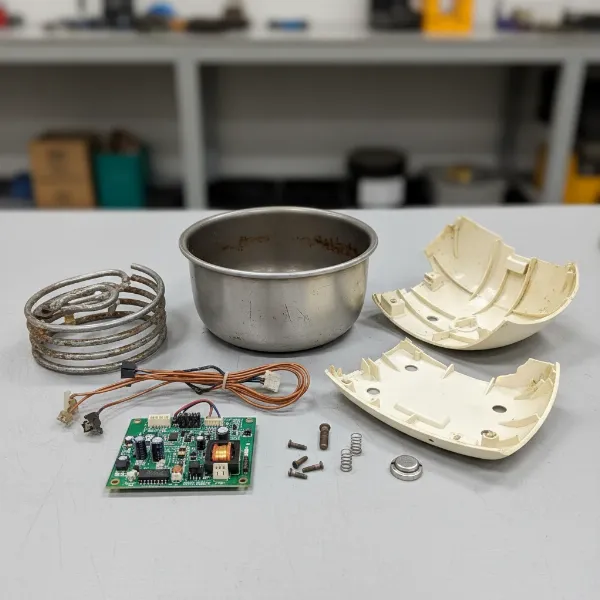 Close-up of disassembled rice cooker components showing metals, plastics, and electronic parts for recycling.
Guide to Disposing of an Old Rice Cooker
Deciding how to get rid of your old rice cooker depends largely on its condition and your local resources. Here’s a breakdown of the best approaches.
Assess the Condition of Your Rice Cooker
Before doing anything, take a moment to evaluate your rice cooker.
- Still Functional? If your rice cooker is still in good working order but you simply don’t need it anymore, consider giving it a second life.
- Broken Beyond Repair? For a non-functional or severely damaged rice cooker, recycling is usually the most environmentally sound option. Avoid trying to repair it yourself unless you have the necessary expertise and safety equipment.
|
Our Picks for the Best Rice Cooker in 2026
As an Amazon Associate I earn from qualifying purchases.
|
||
| Num | Product | Action |
|---|---|---|
| 1 | BLACK+DECKER Rice Cooker 6-Cup (Cooked) with Steaming Basket, Removable Non-Stick Bowl, White |

|
| 2 | AROMA® Mini Rice Cooker, 2-Cup (Uncooked) / 4-Cup (Cooked), Grain Cooker, Soup Maker, Oatmeal Cooker, Auto Keep Warm, 1 Qt, Light Green |
|
| 3 | AROMA® Mini Rice Cooker, 2-Cup (Uncooked) / 4-Cup (Cooked), Grain Cooker, Soup Maker, Oatmeal Cooker, Auto Keep Warm, 1 Qt, Milk Tea color |
|
| 4 | Aroma Housewares 4-Cups (Cooked) / 1Qt. Rice & Grain Cooker (ARC-302NGBL), Blue |
|
| 5 | Zojirushi Micom 3-Cup Compact Size, Multiple Settings, Stainless Steel Made, Built-In Retractable Power Cord and Easy to Transport Rice Cooker and Warmer |
|
| 6 | AROMA® Select Stainless® Rice Cooker, 3-Cup (Uncooked) / 6-Cup (Cooked), Stainless Steel Inner Pot, Small Rice Cooker, Auto Keep Warm, 1.2 Qt, White, ARC-753SG |
|
| 7 | Instant Pot 4QT RIO Mini 7-in-1 Multi-Cooker, Pressure Cooker, Slow cook, Sauté, Steam, Rice Maker, Yogurt, & Warmer, Sea Salt, 4 Quarts |
|
| 8 | AROMA Digital Rice Cooker, 4-Cup (Uncooked) / 8-Cup (Cooked), Steamer, Grain Cooker, Multicooker, 2 Qt, Stainless Steel Exterior, ARC-914SBD |
|
| 9 | COSORI Rice Cooker 10 Cup, 24h Keep Warm, Non-stick Ceramic Inner Pot, 18 Functions Fuzzy Logic Rice Maker with Stainless Steel Steamer Basket, Sauté, Slow Cooker, Black |
|
| 10 | COMFEE' Compact Rice Cooker, 6-in-1 Stainless Steel Multi Cooker, Slow Cooker, Steamer, Saute, and Warmer, 2 QT, 8 Cups Cooked(4 Cups Uncooked), Brown Rice, Quinoa and Oatmeal, 6 One-Touch Programs |
|
Recycling Electronic Waste (E-Waste)
For rice cookers that are no longer working, recycling is the preferred method. These appliances contain metals and electronic components that can be extracted and reused, reducing the need for new raw materials.
- Why E-Waste Recycling? Unlike general household waste, small electronics should not be placed in curbside recycling bins. Standard recycling programs are not equipped to handle the diverse materials in electronics, and they can contaminate other recyclables when crushed.
- Finding E-Waste Centers: Many communities have dedicated e-waste recycling centers or specific drop-off locations for small appliances. Check your local municipal waste management website for details. Retailers, especially large electronics stores, often offer take-back or recycling programs for small kitchen appliances. You might also find local scrap metal facilities that accept certain components if you can safely disassemble the unit.
- Specialized Programs: Some regions have programs like ElectroRecycle or local “Waste Wizard” tools that guide you to specific drop-off points for items like rice cookers. These programs ensure proper processing and material recovery.
Donating or Selling Functional Rice Cookers
If your rice cooker is still in good condition, donating or selling it allows someone else to benefit from a perfectly good appliance, preventing it from becoming waste prematurely.
- Charity Organizations: Many charitable organizations and thrift stores accept working small kitchen appliances. Popular choices include:
- The Salvation Army: Often has drop-off locations and sometimes offers pickup services.
- St. Vincent de Paul: Another national organization with thrift stores that may accept appliance donations.
- Habitat for Humanity ReStores: These stores sell donated home improvement items and appliances to fund their building projects, often offering free pickup for larger items.
- Goodwill Industries: May accept gently used small appliances at their various locations.
Always call ahead to confirm their current acceptance policies and ensure your rice cooker meets their criteria (e.g., cleanliness, working order).
- Online Marketplaces: Platforms like Facebook Marketplace, Craigslist, or local buy/sell groups are excellent ways to sell or even give away a functional rice cooker to someone in your community. This option is convenient and ensures the appliance gets direct reuse.
General Waste Disposal (Landfill)
While not the ideal solution, if no recycling or donation options are available in your area, placing a non-functional rice cooker in your regular trash might be the only resort.
- Check Local Regulations: Always consult your local waste management guidelines first. Some areas prohibit electronics from regular household waste due to their components.
- Environmental Impact: Be aware that this option contributes to landfill waste and means the valuable materials within your rice cooker will not be recovered.
Specialized Programs and Events
Keep an eye out for community-wide recycling events. Many cities organize specific dates for residents to drop off various types of e-waste, including small kitchen appliances. Some appliance manufacturers also have take-back programs or partnerships with recyclers.
Comparison of Disposal Methods
Understanding the pros and cons of each method can help you make an informed decision for your old rice cooker.
| Method | Environmental Impact | Effort Required | Benefits |
|---|---|---|---|
| Recycling (E-Waste) | Low | Moderate (finding drop-off, transport) | Recovers valuable materials, prevents pollution from harmful components. |
| Donation/Selling | Very Low | Moderate (cleaning, verifying, listing/drop-off) | Extends product lifespan, helps others, reduces waste. |
| General Waste (Landfill) | High | Low (curbside pickup) | Last resort, contributes to landfills, loses valuable resources. |
Where to Find Disposal Resources
Locating the right disposal option for your rice cooker can be straightforward with the right tools.
- Local Municipal Waste Websites: Your city or county’s waste management department website is the primary source for local recycling facilities, bulky waste collection schedules, and specific regulations regarding electronics.
- Earth911.com: This website offers a comprehensive search tool to find recycling centers for various items, including small appliances, by entering your ZIP code.
- Retailer Programs: Check with major electronics retailers or appliance stores in your area. Many offer in-store recycling for small electronics, sometimes even for non-purchased items.
- Charity Locators: Use the online store locators for organizations like Salvation Army, Habitat for Humanity ReStores, and Goodwill to find donation centers near you.
Tips for Extending Your Rice Cooker’s Lifespan
The best way to manage appliance disposal is to prolong its life. With proper care, your rice cooker can serve you well for many years, delaying the need for disposal.
- Regular Cleaning: Always clean the inner pot, lid, and exterior after each use. Food residue can lead to odors, stickiness, and even malfunction over time. Ensure no water gets into the electrical components.
- Careful Handling of Inner Pot: The non-stick coating on inner pots is crucial. Use only plastic or wooden utensils to prevent scratches. Avoid abrasive cleaners or harsh scrubbing pads that can damage the surface.
- Proper Storage: Store your rice cooker in a dry, cool place away from direct sunlight and extreme temperatures. Ensure the lid is slightly ajar when stored to prevent moisture buildup and odors.
- Read the Manual: Familiarize yourself with your specific model’s instructions for operation, cleaning, and maintenance. Adhering to manufacturer guidelines can prevent common issues and extend the appliance’s life.
By following these simple steps, you can significantly increase the durability of your rice cooker, postponing the need for replacement and disposal.
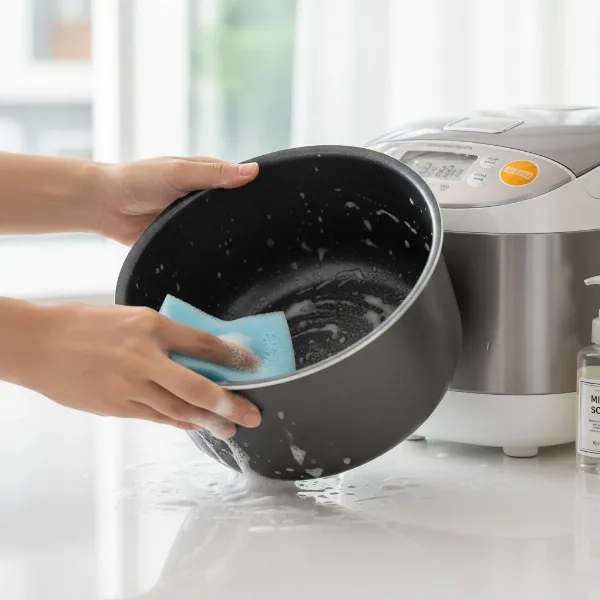 Person gently cleaning the non-stick inner pot of a rice cooker with a soft sponge, extending its lifespan.
Conclusion
Disposing of an old rice cooker doesn’t have to be a complicated or environmentally damaging process. By assessing its condition and exploring options like e-waste recycling for broken units or donation/resale for functional ones, you can make a responsible choice. Always prioritize keeping items out of landfills and recovering valuable materials whenever possible. Taking a little extra time to dispose of your small kitchen appliances properly contributes significantly to a healthier planet and a more sustainable future.
What steps will you take to ensure your old rice cooker finds a responsible new home or afterlife?
Frequently Asked Questions
Can I throw my rice cooker in the regular trash?
While some local waste services may permit it, throwing a rice cooker in regular trash is generally not recommended. Rice cookers contain electronic components and metals that can be harmful to the environment in landfills and could be recycled for valuable resources. Always check your local waste disposal guidelines first for the most responsible approach.
What parts of a rice cooker can be recycled?
A rice cooker is primarily composed of metal (like aluminum and steel), plastic, and electronic circuitry. All these materials are recyclable. However, individual components usually need to be processed at specialized e-waste or scrap metal facilities rather than standard curbside recycling programs.
Are there any free e-waste recycling options?
Yes, many communities offer free e-waste recycling drop-off points, often managed by local government or dedicated recycling companies. Some electronics retailers also have free take-back programs for small appliances. Check your city’s waste management website or use online recycling locators to find free options near you.
How do I prepare my rice cooker for recycling or donation?
For both recycling and donation, ensure your rice cooker is clean and dry. For donation, it must be in good working condition and include all its original parts, such as the inner pot, lid, and measuring cup. For recycling, no special preparation is typically needed other than ensuring it’s empty and dry.