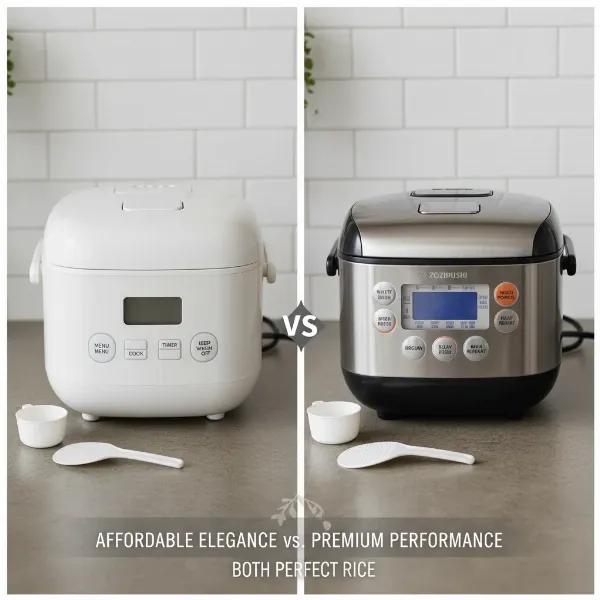
Brown rice often gets a bad rap for being tricky to cook, sometimes ending up mushy, other times stubbornly hard. But what if achieving perfectly fluffy, tender brown rice wasn’t a culinary mystery, but a simple, repeatable process? Forget past disappointments and get ready to master this wholesome grain. This comprehensive guide will demystify the art of cooking brown rice, providing foolproof methods for stovetop, rice cooker, and Instant Pot, ensuring you get it right, every single time.
The Enduring Appeal of Brown Rice
Unlike its refined white counterpart, brown rice is a whole grain that retains its nutritious bran and germ layers. These layers are packed with fiber, essential minerals, and give brown rice its distinct nutty flavor and chewy texture. Incorporating brown rice into your diet is a simple yet impactful way to boost your nutritional intake, offering sustained energy and a satisfying complement to any meal. Its robust profile makes it a versatile ingredient, perfect for everything from simple side dishes to complex stir-fries and vibrant salads. Embracing brown rice means choosing a healthier, more flavorful grain that truly nourishes your body.
Essential Preparation for Flawless Brown Rice
The journey to perfect brown rice begins long before the heat is applied. Proper preparation is the cornerstone of success, ensuring your grains are clean, hydrated, and ready to absorb moisture evenly. Neglecting these initial steps can lead to inconsistent results, so pay close attention to the small details that make a big difference.
Rinsing Your Rice
One of the most crucial steps, often overlooked, is rinsing your brown rice. This process removes excess surface starch that can cause the rice to become sticky or gummy during cooking. While brown rice has less surface starch than white rice, a quick rinse still significantly improves its texture.
- How to rinse: Place the desired amount of brown rice in a fine-mesh sieve. Rinse thoroughly under cold running water, stirring the rice with your fingers, until the water draining from the bottom runs clear. This usually takes a minute or two.
|
Our Picks for the Best Rice Cooker in 2026
As an Amazon Associate I earn from qualifying purchases.
|
||
| Num | Product | Action |
|---|---|---|
| 1 | Instant Pot 4QT RIO Mini 7-in-1 Multi-Cooker, Pressure Cooker, Slow cook, Sauté, Steam, Rice Maker, Yogurt, & Warmer, Sea Salt, 4 Quarts |

|
| 2 | BLACK+DECKER Rice Cooker 6-Cup (Cooked) with Steaming Basket, Removable Non-Stick Bowl, White |
|
| 3 | Zojirushi Micom 3-Cup Compact Size, Multiple Settings, Stainless Steel Made, Built-In Retractable Power Cord and Easy to Transport Rice Cooker and Warmer |
|
| 4 | COMFEE' Compact Rice Cooker, 6-in-1 Stainless Steel Multi Cooker, Slow Cooker, Steamer, Saute, and Warmer, 2 QT, 8 Cups Cooked(4 Cups Uncooked), Brown Rice, Quinoa and Oatmeal, 6 One-Touch Programs |
|
| 5 | AROMA® Select Stainless® Rice Cooker, 3-Cup (Uncooked) / 6-Cup (Cooked), Stainless Steel Inner Pot, Small Rice Cooker, Auto Keep Warm, 1.2 Qt, White, ARC-753SG |
|
| 6 | AROMA® Mini Rice Cooker, 2-Cup (Uncooked) / 4-Cup (Cooked), Grain Cooker, Soup Maker, Oatmeal Cooker, Auto Keep Warm, 1 Qt, Milk Tea color |
|
| 7 | Aroma Housewares 4-Cups (Cooked) / 1Qt. Rice & Grain Cooker (ARC-302NGBL), Blue |
|
| 8 | AROMA® Mini Rice Cooker, 2-Cup (Uncooked) / 4-Cup (Cooked), Grain Cooker, Soup Maker, Oatmeal Cooker, Auto Keep Warm, 1 Qt, Light Green |
|
| 9 | COSORI Rice Cooker 10 Cup, 24h Keep Warm, Non-stick Ceramic Inner Pot, 18 Functions Fuzzy Logic Rice Maker with Stainless Steel Steamer Basket, Sauté, Slow Cooker, Black |
|
| 10 | AROMA Digital Rice Cooker, 4-Cup (Uncooked) / 8-Cup (Cooked), Steamer, Grain Cooker, Multicooker, 2 Qt, Stainless Steel Exterior, ARC-914SBD |
|
The Right Water-to-Rice Ratio
Precision in your water-to-rice ratio is paramount for achieving the ideal texture. Too much water leads to mushy rice, while too little results in hard, undercooked grains. While ratios can vary slightly depending on the type of brown rice (long-grain versus short-grain) and cooking method, a general guideline offers a reliable starting point.
For stovetop cooking, a widely accepted ratio is 1 cup of brown rice to 2 cups of water. This proportion allows the rice to fully absorb the liquid and steam to fluffy perfection. Keep in mind that pressure cookers and rice cookers often require slightly less water due to reduced evaporation.
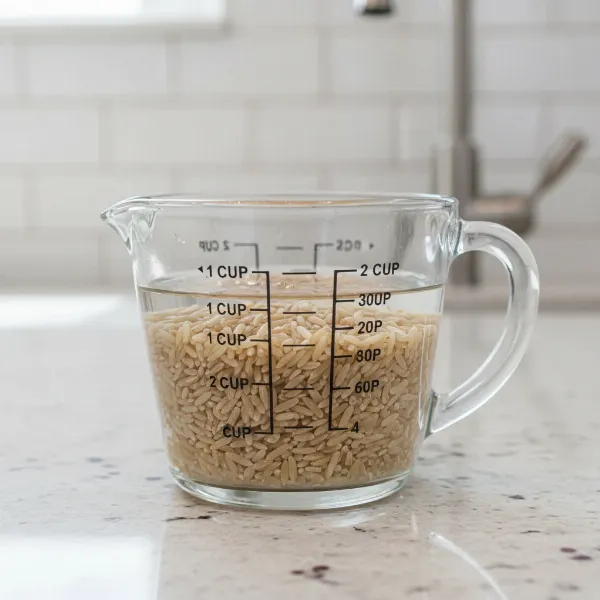 Dry brown rice and water in a clear measuring cup illustrating the 1:2 ratio for perfect stovetop cooking.
Mastering Stovetop Brown Rice
The stovetop method is a classic for a reason, offering simplicity and control over the cooking process. With a few key techniques, you can transform humble brown rice into a fluffy, tender side dish without any specialized equipment. Patience and a tight-fitting lid are your best friends here.
Step-by-Step Stovetop Method
Cooking brown rice on the stove requires a gentle approach and careful timing. Follow these steps for consistently great results:
- Rinse: Begin by thoroughly rinsing your brown rice under cold water until the water runs clear.
- Combine: Place the rinsed rice in a medium saucepan with a tight-fitting lid. Add cold water using a 1:2 ratio (e.g., 1 cup rice to 2 cups water). You can add a pinch of salt if desired.
- Boil: Bring the water to a rolling boil over medium-high heat.
- Simmer: Once boiling, immediately reduce the heat to the lowest possible setting. The water should be barely simmering.
- Cover & Cook: Place the lid on the saucepan, ensuring it’s sealed tightly to trap all the steam. Cook for 35-40 minutes without lifting the lid. This undisturbed environment is crucial for even cooking.
- Rest: After the cooking time, remove the pot from the heat, but keep the lid on. Let the rice rest, undisturbed, for another 10-15 minutes. This resting period allows the grains to absorb any remaining moisture and steam through, resulting in a perfectly fluffy texture.
- Fluff & Serve: Finally, remove the lid and gently fluff the rice with a fork to separate the grains before serving.
Common Stovetop Mistakes to Avoid
Even with clear instructions, some common pitfalls can derail your stovetop brown rice. Being aware of these can help you sidestep culinary frustration.
- Lifting the Lid: This is perhaps the most critical error. Every time you peek, precious steam escapes, disrupting the cooking process and potentially leading to unevenly cooked or dry rice. Trust the process and keep that lid on!
- Incorrect Heat: Cooking on heat that’s too high can cause the water to evaporate too quickly, leaving you with burnt rice at the bottom and undercooked grains on top. Too low, and it might not cook through. A very gentle simmer is key.
- Not Resting: Skipping the resting period is a common mistake. The steam trapped during this phase is vital for the rice to fully tenderize and become fluffy. Think of it as the rice’s quiet time to achieve perfection.
Effortless Brown Rice with a Rice Cooker
A rice cooker is a fantastic tool for achieving consistent brown rice with minimal effort, often boasting specific settings designed for whole grains. Its “set it and forget it” convenience makes it a favorite for busy kitchens.
Using Your Rice Cooker
While most rice cookers offer a straightforward approach, a few tips can enhance your brown rice results:
- Rinse: Always rinse your brown rice thoroughly before adding it to the rice cooker pot.
- Water Ratio: Consult your rice cooker’s manual for the recommended brown rice water-to-rice ratio. This often differs from stovetop instructions and can vary between models. Generally, it’s around 1 cup of brown rice to 1.5 to 2 cups of water.
- Brown Rice Setting: If your rice cooker has a specific “brown rice” setting, use it. This setting usually accounts for the longer cooking time and different absorption rate of brown rice by using a lower temperature and longer cooking cycle.
- Cook & Rest: Press start and let the cooker do its job. Once the cooking cycle is complete, allow the rice to rest in the cooker with the lid on for an additional 10-15 minutes before opening and fluffing.
Speedy Brown Rice in an Instant Pot
For those who value speed and hands-off cooking, the Instant Pot is a game-changer for brown rice. Its pressure cooking capabilities drastically cut down the cooking time while still yielding perfectly tender and fluffy grains.
Instant Pot Method
Cooking brown rice in an Instant Pot is remarkably efficient:
- Rinse: Rinse your brown rice until the water runs clear.
- Combine: Add the rinsed brown rice to the Instant Pot. For every 1 cup of brown rice, add 1.25 cups of water. For example, if cooking 2 cups of rice, use 2.5 cups of water. The lower water ratio is because less liquid evaporates under pressure.
- Cook: Secure the lid, ensure the venting knob is sealed, and pressure cook on High for 20 minutes.
- Natural Pressure Release (NPR): Once the cooking time is complete, allow the Instant Pot to natural pressure release (NPR) for 10-15 minutes. This is crucial for the rice to finish absorbing moisture and become tender. After 10-15 minutes, if there’s still pressure, you can carefully quick-release any remaining pressure.
- Fluff & Serve: Open the lid, fluff the rice with a fork, and serve immediately.
Troubleshooting Common Brown Rice Issues
Even with the best intentions, brown rice can sometimes present challenges. Understanding why common issues occur can help you troubleshoot and adjust your technique for future batches.
Mushy Rice
If your brown rice consistently turns out mushy, it’s often a sign of too much moisture. This could be due to:
- Excess Water: Recheck your water-to-rice ratio, especially if using a new method or appliance.
- Lid Not Tight Enough / Lifting Lid: Steam escaping means less controlled cooking, often leading to over-absorption of water.
- Insufficient Resting Time: The resting phase helps the rice absorb remaining surface moisture; skipping it can leave grains overly wet.
Hard or Undercooked Rice
Conversely, hard or crunchy brown rice points to insufficient moisture or cooking time:
- Not Enough Water: Ensure you’re using the correct water-to-rice ratio for your chosen method.
- Heat Too High (Stovetop): Water evaporates too quickly before the rice fully cooks.
- Not Enough Cook Time: Brown rice naturally takes longer than white rice. Make sure you’re allowing ample time for cooking and resting.
- Lid Lifted Too Often: Interrupting the cooking process lets heat and steam escape, extending cook time.
Sticky Rice
Sticky brown rice is usually a symptom of excess starch:
- Not Rinsed: Always rinse your brown rice thoroughly before cooking to remove surface starches.
- Too Much Water: An overly wet environment can contribute to stickiness. Adjust your water ratio if necessary.
Comparison of Brown Rice Cooking Methods
Choosing the best method for cooking brown rice depends on your priorities: speed, convenience, or traditional control. Here’s a comparison to help you decide:
| Feature | Stovetop | Rice Cooker | Instant Pot | Slow Cooker |
|---|---|---|---|---|
| Ease of Use | Moderate (requires attention to heat) | High (set-it-and-forget-it) | High (quick, hands-off) | High (very hands-off, but long) |
| Total Time | ~45-55 minutes (35-40 cook, 10-15 rest) | ~60-75 minutes (depends on model/setting) | ~45-55 minutes (20 cook, 10-15 NPR) | ~2-4 hours (on high) |
| Water Ratio | 1 cup rice : 2 cups water | Check manual (often 1:1.5 to 1:2) | 1 cup rice : 1.25 cups water | 1 cup rice : 1.5 to 2 cups water |
| Texture | Fluffy, distinct grains if done correctly | Consistent, fluffy | Tender, fluffy | Soft, moist |
| Best For | Traditionalists, small batches, precise control | Daily use, consistency, hands-off | Quick meals, hands-off, larger batches | Large batches, passive cooking, meal prep |
Tips for Usage and Storage
Once you’ve mastered cooking brown rice, knowing how to store it properly and make the most of your delicious efforts is the next step. From preserving its freshness to incorporating it into diverse meals, these tips ensure no grain goes to waste.
Storing Uncooked Brown Rice
Uncooked brown rice has a longer shelf life than many other grains due to its intact bran layer, but proper storage is key to maintaining its freshness and preventing spoilage.
- Store uncooked brown rice in an airtight container in a cool, dark, dry place, such as a pantry or cabinet.
- For extended freshness, especially in warmer climates or if buying in bulk, consider storing it in the refrigerator or freezer. This helps prevent rancidity due to the oils in the bran layer.
Reheating Cooked Brown Rice
Cooked brown rice can dry out or become hard when reheated if not done correctly. To restore its tender texture:
- Microwave: Place the cooked brown rice in a microwave-safe bowl. Add a splash of water (about 1-2 tablespoons per cup of rice). Cover loosely with a damp paper towel or lid, and microwave on high for 1-2 minutes, or until heated through. Fluff with a fork.
- Stovetop: Place rice in a saucepan with a splash of water or broth. Cover tightly and heat over low heat, stirring occasionally, until warmed through.
Creative Uses for Leftover Brown Rice
Leftover brown rice is a versatile ingredient that can be transformed into quick and healthy meals:
- Stir-fries: Add cooked brown rice to your favorite stir-fry for a hearty and nutritious meal.
- Salads: Use cold brown rice as a base for vibrant grain salads, adding vegetables, protein, and a flavorful dressing.
- Rice Bowls: Create customizable rice bowls with leftover rice, roasted vegetables, grilled chicken or tofu, and a delicious sauce.
- Soups & Stews: Stir in cooked brown rice during the last few minutes of cooking soups or stews for added texture and substance.
Conclusion
Achieving perfectly fluffy and tender brown rice doesn’t have to be a daunting task. By understanding the importance of rinsing, adhering to the correct water-to-rice ratios, and mastering the specific techniques for your chosen cooking method—whether it’s the classic stovetop, the convenient rice cooker, or the speedy Instant Pot—you can consistently create a delightful and nutritious grain. Remember, patience, a tight-fitting lid, and a crucial resting period are your allies in this culinary endeavor. Embrace these simple principles, and you’ll unlock the secret to flawless brown rice every single time, ready to elevate any meal. What delicious brown rice creation will you make first?
Frequently Asked Questions
Do I need to soak brown rice before cooking?
Soaking brown rice is optional but can offer benefits. It helps to soften the outer bran layer, which can significantly reduce cooking time and potentially make the rice more digestible. If you choose to soak, aim for at least 30 minutes to a few hours, or even overnight, keeping it refrigerated for longer soaks. Always rinse the rice after soaking.
What’s the best water to rice ratio for brown rice?
For stovetop cooking, a standard and reliable ratio is 1 cup of brown rice to 2 cups of water. However, this ratio can vary for different appliances: rice cookers often require 1.5 to 2 cups of water per cup of rice, while Instant Pots typically use 1.25 cups of water per cup of rice due to minimal evaporation. Always consult your appliance’s manual for the most precise recommendations.
Why is my brown rice always mushy?
Mushy brown rice is usually a result of too much water or insufficient steam retention during cooking. Common culprits include using an incorrect water-to-rice ratio, lifting the lid too often and letting steam escape, or not allowing the rice to properly rest after cooking, which is crucial for absorbing residual moisture.
Can I cook brown rice in a slow cooker?
Yes, you can cook brown rice in a slow cooker, though it’s a much longer process, typically taking 2-4 hours on a high setting. This method is great for hands-off cooking and large batches. Generally, use about 1.5 to 2 cups of liquid per cup of brown rice and consider lightly greasing the pot to prevent sticking.