Black rice, often referred to as Forbidden Rice, is a captivating grain with a rich history and impressive nutritional profile. Once reserved exclusively for Chinese emperors due to its rarity and health benefits, this ancient grain is now a cherished ingredient in kitchens worldwide. Its striking deep purple-black hue, nutty flavor, and satisfyingly chewy texture make it a versatile addition to both sweet and savory dishes. But mastering the art of cooking black rice to achieve that perfect fluffy, tender consistency can sometimes be a challenge.
This guide will walk you through everything you need to know, from preparing the grains to different cooking methods, ensuring your black rice is always a culinary masterpiece. Whether you’re using a simple stovetop pot or the convenience of a modern rice cooker, get ready to unlock the secrets to perfectly cooked Forbidden Rice.
Understanding Black Rice: The Ancient Grain
Black rice is a variety of Oryza sativa rice that stands out with its distinctive dark color and robust character. Unlike white rice, it is a whole grain, meaning it retains its bran, germ, and endosperm, packing in more nutrients. Its “Forbidden” moniker dates back to ancient China, where it was cultivated in limited quantities and reserved solely for the imperial family, believed to promote health and longevity.
Beyond its intriguing history, black rice offers a wealth of health benefits. Its deep purple-black color is a telltale sign of its high anthocyanin content, powerful antioxidants also found in blueberries and blackberries, which contribute to its potential to combat inflammation and protect cells. It’s also an excellent source of dietary fiber, essential amino acids like lysine, B vitamins, iron, and zinc, making it a nutritious choice for any meal. Its chewy texture and slightly sweet, nutty flavor add a sophisticated touch to a wide array of recipes, from vibrant salads to exotic desserts.
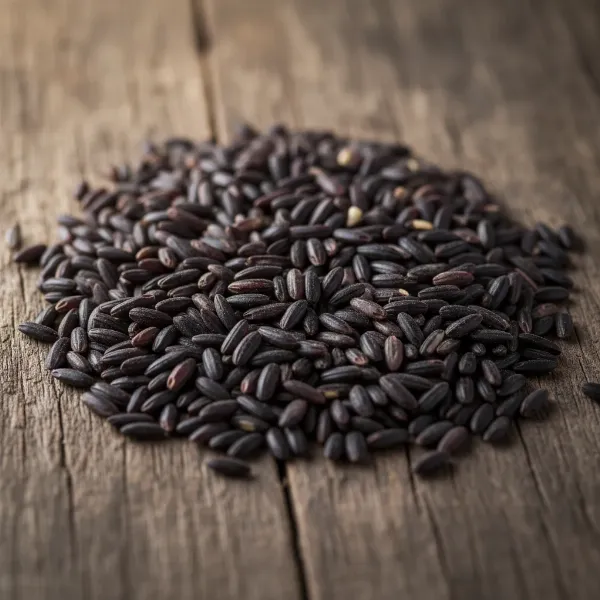 Close-up of dry black rice grains showcasing deep purple-black color and unique texture.
Essential Steps Before You Cook Black Rice
Proper preparation is key to unlocking the full potential of black rice, ensuring it cooks evenly and achieves the desired texture. These initial steps are simple but make a significant difference in the final outcome.
Rinsing Black Rice: A Crucial First Step
|
Our Picks for the Best Rice Cooker in 2026
As an Amazon Associate I earn from qualifying purchases.
|
||
| Num | Product | Action |
|---|---|---|
| 1 | Aroma Housewares 4-Cups (Cooked) / 1Qt. Rice & Grain Cooker (ARC-302NGBL), Blue |

|
| 2 | AROMA® Select Stainless® Rice Cooker, 3-Cup (Uncooked) / 6-Cup (Cooked), Stainless Steel Inner Pot, Small Rice Cooker, Auto Keep Warm, 1.2 Qt, White, ARC-753SG |
|
| 3 | Zojirushi Micom 3-Cup Compact Size, Multiple Settings, Stainless Steel Made, Built-In Retractable Power Cord and Easy to Transport Rice Cooker and Warmer |
|
| 4 | COSORI Rice Cooker 10 Cup, 24h Keep Warm, Non-stick Ceramic Inner Pot, 18 Functions Fuzzy Logic Rice Maker with Stainless Steel Steamer Basket, Sauté, Slow Cooker, Black |
|
| 5 | AROMA® Mini Rice Cooker, 2-Cup (Uncooked) / 4-Cup (Cooked), Grain Cooker, Soup Maker, Oatmeal Cooker, Auto Keep Warm, 1 Qt, Milk Tea color |
|
| 6 | COMFEE' Compact Rice Cooker, 6-in-1 Stainless Steel Multi Cooker, Slow Cooker, Steamer, Saute, and Warmer, 2 QT, 8 Cups Cooked(4 Cups Uncooked), Brown Rice, Quinoa and Oatmeal, 6 One-Touch Programs |
|
| 7 | AROMA® Mini Rice Cooker, 2-Cup (Uncooked) / 4-Cup (Cooked), Grain Cooker, Soup Maker, Oatmeal Cooker, Auto Keep Warm, 1 Qt, Light Green |
|
| 8 | Instant Pot 4QT RIO Mini 7-in-1 Multi-Cooker, Pressure Cooker, Slow cook, Sauté, Steam, Rice Maker, Yogurt, & Warmer, Sea Salt, 4 Quarts |
|
| 9 | BLACK+DECKER Rice Cooker 6-Cup (Cooked) with Steaming Basket, Removable Non-Stick Bowl, White |
|
| 10 | AROMA Digital Rice Cooker, 4-Cup (Uncooked) / 8-Cup (Cooked), Steamer, Grain Cooker, Multicooker, 2 Qt, Stainless Steel Exterior, ARC-914SBD |
|
Before cooking, it is highly recommended to rinse black rice thoroughly under cold running water. This process helps to remove excess starch from the surface of the grains, which can otherwise lead to a gummy or sticky texture. Place the rice in a fine-mesh strainer and rinse until the water runs clear. While some believe rinsing might wash away nutrients, the benefit of preventing clumping and achieving a fluffy texture often outweighs this minor concern. This simple action prepares the rice for optimal absorption during cooking.
To Soak or Not to Soak? Weighing Your Options
The question of whether to soak black rice is a common one, and the answer largely depends on your desired texture. Soaking is not strictly necessary, and many recipes achieve excellent results without it, particularly if you prefer a firmer, chewier grain akin to al dente pasta.
However, if you favor a more tender and moist texture, akin to a softer brown rice, then soaking can be beneficial. A shorter soak of 30 minutes can soften the grains slightly, while an overnight soak (8 hours or more) allows water to fully penetrate the tough outer bran hull, resulting in a significantly softer cooked rice and potentially reducing cooking time. If you decide to soak, remember to drain and rinse the rice again before cooking. This flexibility allows you to customize the rice to your preference, making it suitable for various culinary applications.
Cooking Black Rice on the Stovetop
The stovetop method is a classic and reliable way to cook black rice, offering precise control over the cooking process. With a few simple steps, you can achieve beautifully tender and fluffy grains every time.
Ingredients and Equipment
To cook black rice on the stovetop, you’ll need minimal ingredients and basic kitchen equipment:
- 1 cup black rice (rinsed)
- 1 ¾ to 2 cups water or broth (vegetable or chicken)
- ¼ teaspoon salt (optional, to enhance flavor)
- 1 teaspoon olive oil or coconut oil (optional, to prevent sticking and add richness)
- A medium saucepan with a tight-fitting lid
- A fine-mesh strainer
- A fork for fluffing
The choice between water and broth impacts the final flavor. Water allows the natural nutty notes of the rice to shine, while broth adds depth and savoriness.
Step-by-Step Instructions for Stovetop Cooking
- Combine Ingredients: In your medium saucepan, combine the rinsed black rice, water (or broth), salt (if using), and oil (if using).
- Bring to a Boil: Place the saucepan over medium-high heat and bring the liquid to a rolling boil.
- Simmer: Once boiling, immediately reduce the heat to the lowest possible setting, cover the pot tightly with its lid, and let it simmer for 30 to 35 minutes. It’s crucial to maintain a very gentle simmer, with only small bubbles occasionally breaking the surface.
- Rest: After the simmering time, remove the pot from the heat. Do not lift the lid. Let the rice rest, still covered, for an additional 10 to 15 minutes. This steaming period allows the rice to fully absorb any remaining moisture and become light and fluffy.
- Fluff and Serve: Carefully remove the lid, fluff the cooked black rice with a fork, and serve warm.
Tips for Perfect Stovetop Black Rice
Achieving perfectly cooked black rice on the stovetop relies on a few expert tips. First, resist the urge to peek or stir the rice during the simmering and resting phases, as this releases steam and can disrupt the cooking process, leading to unevenly cooked grains. A tight-fitting lid is essential to trap this steam. Second, use a heavy-bottomed saucepan to ensure even heat distribution and prevent scorching. If your stovetop runs hot, consider using a heat diffuser to maintain a consistently low simmer. Finally, adjust the cooking time slightly based on your preferred texture; a minute or two more can make a difference if you like it very soft, while slightly less time will yield a firmer bite.
Cooking Black Rice in a Rice Cooker
For a hands-off approach that consistently delivers perfectly cooked grains, a rice cooker is an excellent tool for black rice. Its automated settings take the guesswork out of the process, making it a favorite for busy home cooks.
Ingredients and Equipment
Using a rice cooker simplifies the process further, requiring fewer steps once the ingredients are combined:
- 1 cup black rice (rinsed)
- 1 ¾ cups water or broth
- ¼ teaspoon salt (optional)
- 1 tablespoon vegetable oil or olive oil (optional, for non-sticking)
- A rice cooker
The oil is particularly useful in a rice cooker to help prevent the rice from sticking to the bottom of the insert, especially with whole grains like black rice that can be prone to clinging.
Step-by-Step Instructions for Rice Cooker Preparation
- Prepare Rice Cooker: Lightly grease the rice cooker insert with a tablespoon of vegetable oil. This small step is especially beneficial for whole grains like black rice, helping to prevent sticking and making cleanup easier.
- Combine Ingredients: Add the rinsed black rice, water (or broth), salt (if using), and oil (if using) to the greased rice cooker insert. Give it a quick stir to combine.
- Select Setting and Cook: Place the lid on the rice cooker. If your rice cooker has a specific “brown rice” setting, select it, as black rice has similar cooking requirements to brown rice. If not, simply use the “cook” setting.
- Allow to Cook: The cooking time will typically range from 50 to 60 minutes, depending on your rice cooker model and whether a “brown rice” setting is used.
- Rest and Fluff: Once the cooking cycle is complete, allow the rice to rest in the closed rice cooker for an additional 5-10 minutes. This resting period is crucial for the grains to fully steam and become fluffy. Finally, open the lid and gently fluff the rice with a fork before serving.
Tips for Rice Cooker Success
To ensure optimal results when cooking black rice in a rice cooker, consider these tips. Always refer to your specific rice cooker’s manual, as water ratios and cooking times can vary slightly between models. Some advanced rice cookers have specific settings for different grain types that may provide even better results. If your rice cooker tends to bubble over with whole grains, reducing the water by a tablespoon or two, or adding a small amount of oil to the cooking water, can help. The “brown rice” setting is generally the best choice as it accounts for the longer cooking time and higher water absorption of whole grains.
Troubleshooting Common Black Rice Cooking Issues
Even experienced cooks can occasionally encounter minor hiccups when preparing black rice. Understanding common problems and their solutions will help you consistently achieve perfect results.
If Your Black Rice is Too Mushy or Sticky
Mushy or sticky rice is often a sign of too much water or insufficient rinsing. If your rice turns out this way:
- Reduce Water: For your next batch, try reducing the water by about ¼ cup per cup of rice.
- Rinse Thoroughly: Ensure you are rinsing the rice until the water runs completely clear before cooking.
- Avoid Overcooking: Once the rice has absorbed the water and rested, don’t continue to cook it, as this can break down the grains.
- Proper Steaming: Make sure the resting period is observed to allow excess steam to dissipate without overcooking the grains.
If Your Black Rice is Too Hard or Undercooked
Conversely, hard or crunchy rice indicates insufficient liquid or cooking time. To remedy this:
- Increase Water: Add a little more water, perhaps ¼ cup per cup of rice, in your next attempt.
- Extend Cooking Time: Ensure the rice is cooked for the full recommended duration, followed by the resting period. If it’s still hard after resting, you can add a splash of hot water (1-2 tablespoons) and cover it again for another 5-10 minutes over very low heat.
- Check Lid Seal: A loose-fitting lid allows steam to escape, preventing the rice from cooking properly. Ensure your lid is tight or consider placing a piece of foil under the lid.
- Consider Soaking: If you consistently get hard rice, soaking it for at least 30 minutes before cooking can significantly help in achieving a softer texture.
Serving Suggestions for Black Rice
Black rice, with its unique color, texture, and flavor, is incredibly versatile and can elevate a multitude of dishes. Its slightly nutty and subtly sweet notes make it suitable for both sweet and savory applications.
For savory meals, black rice makes a fantastic alternative to white or brown rice. Serve it as a striking side dish with grilled fish, roasted chicken, or stir-fries. It also shines in grain bowls alongside roasted vegetables, avocados, and a vibrant dressing, or incorporated into hearty salads with fresh herbs, nuts, and a citrus vinaigrette. You can also use it as a filling for wraps or tacos, or as the base for a sophisticated pilaf. The rich color adds a gourmet touch to any plate.
Black rice isn’t just for savory dishes; it’s equally delightful in desserts. Its natural sweetness and creamy texture when cooked slightly softer make it ideal for rice puddings, often paired with coconut milk, tropical fruits like mango or pineapple, and a drizzle of honey or maple syrup. It can also be used in smoothie bowls for a wholesome breakfast, or as a unique component in fruit parfaits. Its striking color provides a beautiful contrast, making these desserts not only delicious but also visually appealing.
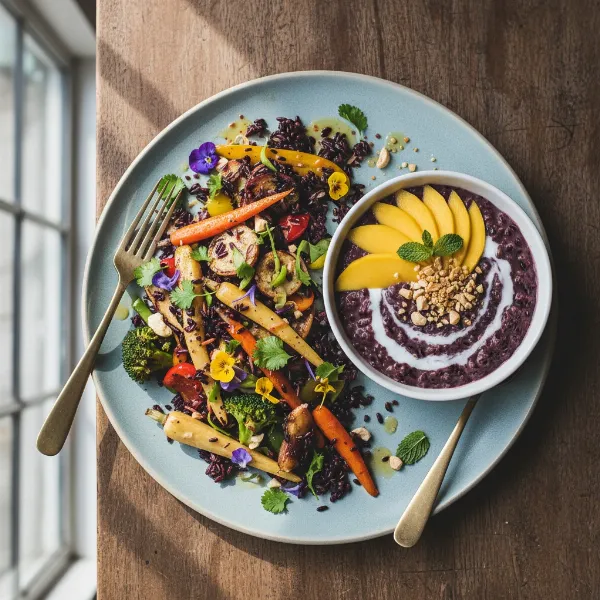 Delicious black rice served in a vibrant, healthy savory and sweet dish arrangement.
Conclusion
Cooking black rice to perfection is an attainable culinary skill that adds a touch of elegance and robust nutrition to your table. By understanding its unique characteristics and following a few simple guidelines—from thorough rinsing to selecting the right water ratio and cooking method—you can consistently achieve beautifully tender and fluffy grains. Whether you prefer the precise control of the stovetop or the convenience of a rice cooker, mastering this ancient grain opens up a world of culinary possibilities.
Embrace the vibrant color, nutty flavor, and incredible health benefits of Forbidden Rice. It’s more than just a side dish; it’s an experience waiting to be savored. What delicious black rice creation will you embark on next?
Frequently Asked Questions
Do I always need to rinse black rice before cooking?
Yes, it is highly recommended to rinse black rice thoroughly under cold running water until it runs clear. This essential step helps to remove excess starch from the grains, preventing them from becoming mushy or sticky during the cooking process and ensuring a desirable fluffy texture.
What is the ideal water to black rice ratio for stovetop cooking?
For stovetop cooking, a common and effective ratio is 1 cup of black rice to 1 ¾ to 2 cups of water or broth. This ratio generally yields tender yet firm grains, but you may adjust it slightly based on your desired texture and the specific type of black rice.
Can I use a regular rice cooker for black rice, or do I need a special one?
Most standard rice cookers can successfully cook black rice. If your rice cooker has a “brown rice” setting, it is advisable to use it, as black rice is a whole grain with similar cooking requirements. Otherwise, the standard “cook” setting will usually suffice, though cooking time may be longer.
How long does black rice typically take to cook?
On the stovetop, black rice typically simmers for 30-35 minutes, followed by a crucial 10-15 minute resting period off the heat. In a rice cooker, using a “brown rice” setting or standard “cook” mode, it can take anywhere from 50 to 60 minutes, plus a short resting time.
Is soaking black rice necessary to cook it perfectly?
Soaking black rice is not strictly necessary but can be beneficial if you prefer a softer, more tender texture. A short soak of 30 minutes or an overnight soak can help soften the tough outer bran, leading to a creamier consistency. If you prefer a chewier texture, you can skip soaking.