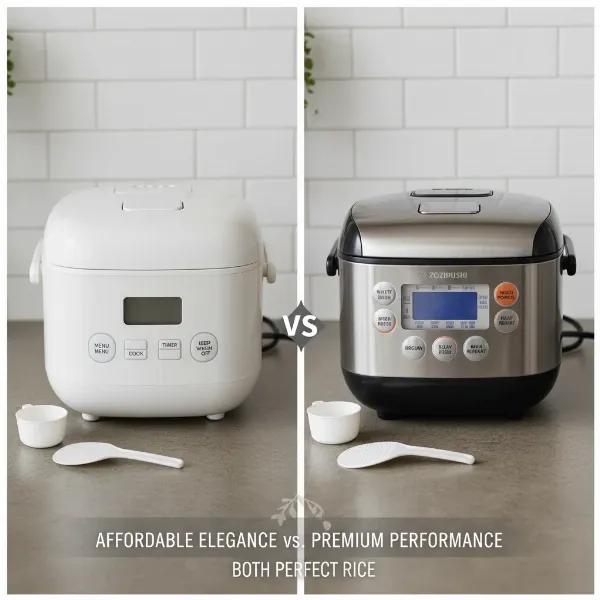
Have you ever found yourself scratching your head, wondering why your perfectly planned rice dish didn’t turn out quite right? Often, the culprit isn’t your cooking skill or the rice itself, but a subtle yet significant difference in measuring tools: the US measuring cup versus the specialized rice cooker cup. Understanding this distinction is paramount for anyone aiming to consistently achieve fluffy, perfectly cooked rice with their rice cooker. This comprehensive guide will demystify the varying cup sizes, explain their origins, and provide practical advice to ensure every grain of rice meets your culinary expectations.
An Overview of Rice Cookers and Their Unique Measuring Tools
Rice cookers have revolutionized rice preparation, offering convenience and consistent results to households worldwide. Their origins are deeply rooted in Asian culinary traditions, where rice is a staple food. From the earliest rudimentary designs to today’s advanced, multi-functional rice cookers, the fundamental principle remains the same: precise cooking through controlled heat and moisture. Crucially, many rice cookers and their accompanying recipes are designed around a specific unit of measurement known as the “rice cup,” which significantly differs from the standard US measuring cup. This traditional measurement system has been integral to achieving the desired texture for various rice types for centuries.
Understanding the US Measuring Cup
The US measuring cup is a ubiquitous tool in Western kitchens, standardized for a wide array of recipes, from baking to general cooking. A standard US measuring cup holds 240 milliliters (ml), equivalent to 8 fluid ounces. This volume is universally recognized in American cookbooks and recipe blogs, making it the go-to choice for most culinary tasks that require volumetric measurements. Its versatility makes it indispensable for accurately portioning liquids, flours, sugars, and many other ingredients in diverse cuisines.
Decoding the Rice Measuring Cup (The “Go” Unit)
In contrast to its US counterpart, the rice measuring cup, often referred to by its traditional Japanese name “gō” (合), has a smaller, precise capacity. A standard rice cup measures 180 milliliters (ml), which is approximately 6.1 US fluid ounces, or precisely three-quarters of a standard US measuring cup. This unit of measurement boasts a rich historical and cultural context, stemming from traditional Asian systems of volume. The “gō” in Japan, “gě” in China, and “hob” or “hop” in Korea all denote similar traditional volumes that predate modern Western measurements. This specific size is preferred for measuring rice because it is calibrated to yield the ideal water-to-rice ratio for traditional Asian cooking methods, ensuring consistent texture and taste.
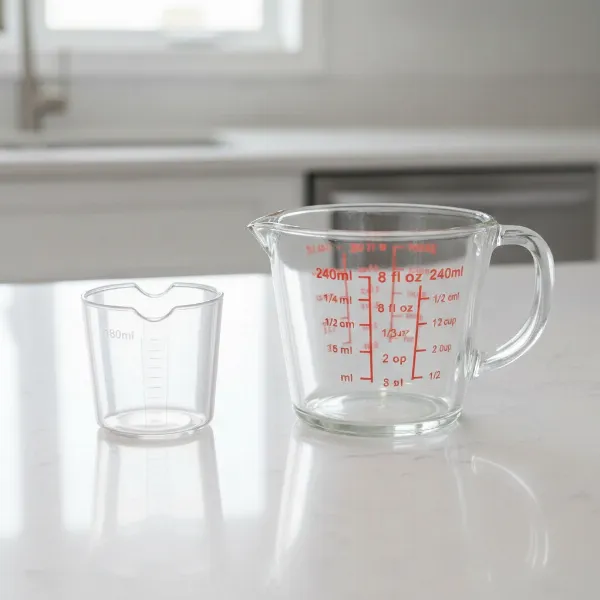 Visual comparison of a 180ml rice measuring cup and a standard 240ml US measuring cup.
Why the Difference Matters: Achieving Perfect Rice
The discrepancy in cup sizes holds immense significance when cooking rice, particularly with a rice cooker. Using the wrong cup can lead to dramatically different and often undesirable results. If you mistakenly use a larger US measuring cup instead of the smaller rice cup, you will inadvertently add too much dry rice relative to the water indicated by your rice cooker’s internal markings or recipe. This common error can result in overly wet, mushy, or soggy rice. Conversely, if a recipe calls for a US cup and you use a rice cup, your rice might turn out undercooked or too dry. The precision of the water-to-rice ratio is the cornerstone of perfect rice, and rice cooker manufacturers calibrate their appliances’ internal water level indicators to align perfectly with the 180ml rice cup.
Practical Tips for Measuring Rice
To consistently achieve perfectly cooked rice, always adhere to the following practical tips:
- Utilize the Provided Cup: The most reliable method is to always use the measuring cup that came with your rice cooker. This cup is specifically designed and calibrated for your appliance’s internal water level markings.
- Substitute Wisely: If your original rice cup is lost, a standard 3/4 US measuring cup is an accurate substitute for a 180ml rice cup.
- Measure by Volume, Not Weight: While measuring by weight is often precise in cooking, it’s generally not recommended for rice. The weight of rice can vary based on its type (e.g., white, brown, basmati), age, and moisture content. Volume measurement, using the correct cup, ensures consistent results regardless of these variations.
- Adjust for Rice Type: While the 180ml cup is standard, specific rice types (like brown rice or wild rice) might require slightly different water ratios or cooking times, often outlined in your rice cooker’s manual.
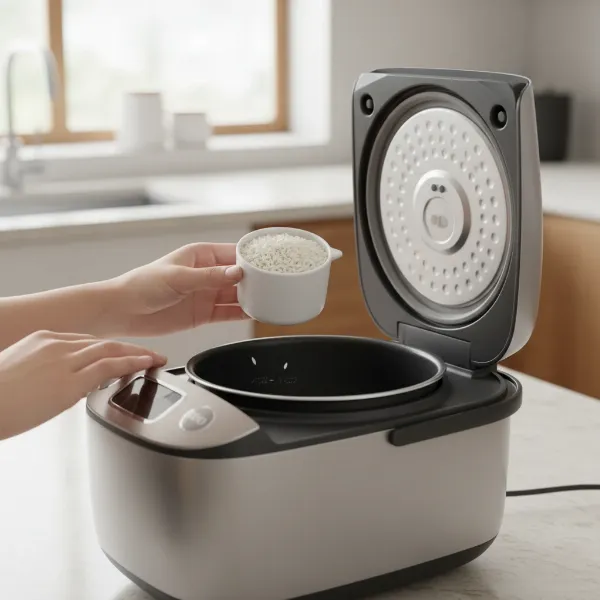 A person accurately measuring rice with a 180ml rice cup for a modern rice cooker.
US Cup vs. Rice Cup: A Direct Comparison
Understanding the key differences between these two common kitchen tools is crucial for any home cook.
| Feature | US Measuring Cup | Rice Measuring Cup (Go Unit) |
|---|---|---|
| Capacity | 240 milliliters (ml) / 8 fluid ounces | 180 milliliters (ml) / ~6.1 fluid ounces |
| Relation to Each Other | 1 US cup = ~1.33 rice cups | 1 rice cup = 0.75 US cups |
| Common Use | General cooking, baking, Western recipes | Rice cooking, Asian recipes, rice cookers |
| Origin | Standardized in the United States | Traditional Asian volumetric unit (e.g., Japan) |
| Impact on Rice Cooking | Can lead to soggy rice if used with rice cooker recipes | Ensures ideal water-to-rice ratio for perfect fluffy rice |
Where to Find Reliable Rice Measuring Cups
Most new rice cookers come with a dedicated 180ml rice measuring cup in the box. If you’ve lost yours or need a replacement, these cups can be purchased individually from kitchenware stores, Asian grocery markets, or online retailers. Look for products explicitly labeled “rice measuring cup” or “180ml measuring cup” to ensure you get the correct size. Some universal measuring cup sets may also include a 3/4 cup measurement, which, as discussed, serves as a suitable alternative.
Maintaining Your Rice Cooker for Optimal Performance
Beyond using the correct measuring cup, proper care and maintenance are vital for extending the lifespan of your rice cooker and ensuring consistent results. Always follow the manufacturer’s cleaning instructions, typically involving gentle washing of the inner pot and wiping down the exterior. Avoid abrasive cleaners or harsh scrubbing pads that can damage the non-stick coating of the inner pot. Regular cleaning prevents residue buildup, which can affect cooking efficiency and hygiene, ensuring your rice cooker remains a reliable kitchen companion.
“The secret to perfectly cooked rice often lies not in exotic ingredients, but in mastering the fundamentals, and the rice cup is undoubtedly one of them. It’s a small tool with a huge impact on the final texture.” – Lan, Admin, ricecookerhot.com
Conclusion
The distinction between a US measuring cup and a rice measuring cup, though seemingly minor, is a pivotal detail for anyone serious about making perfect rice. The 180ml rice cup, rooted in centuries of Asian culinary tradition, is the key to unlocking the ideal texture and consistency in your rice cooker. By understanding this difference and consistently using the correct measuring tool, you can elevate your rice dishes from ordinary to extraordinary. So, the next time you prepare rice, remember to reach for the right cup, and enjoy the delicious, fluffy results. What has been your biggest challenge in achieving perfect rice, and how has understanding cup sizes changed your approach?
Frequently Asked Questions
How many US cups is one rice cup?
|
Our Picks for the Best Rice Cooker in 2026
As an Amazon Associate I earn from qualifying purchases.
|
||
| Num | Product | Action |
|---|---|---|
| 1 | COMFEE' Compact Rice Cooker, 6-in-1 Stainless Steel Multi Cooker, Slow Cooker, Steamer, Saute, and Warmer, 2 QT, 8 Cups Cooked(4 Cups Uncooked), Brown Rice, Quinoa and Oatmeal, 6 One-Touch Programs |

|
| 2 | AROMA® Mini Rice Cooker, 2-Cup (Uncooked) / 4-Cup (Cooked), Grain Cooker, Soup Maker, Oatmeal Cooker, Auto Keep Warm, 1 Qt, Light Green |
|
| 3 | Aroma Housewares 4-Cups (Cooked) / 1Qt. Rice & Grain Cooker (ARC-302NGBL), Blue |
|
| 4 | AROMA® Mini Rice Cooker, 2-Cup (Uncooked) / 4-Cup (Cooked), Grain Cooker, Soup Maker, Oatmeal Cooker, Auto Keep Warm, 1 Qt, Milk Tea color |
|
| 5 | COSORI Rice Cooker 10 Cup, 24h Keep Warm, Non-stick Ceramic Inner Pot, 18 Functions Fuzzy Logic Rice Maker with Stainless Steel Steamer Basket, Sauté, Slow Cooker, Black |
|
| 6 | AROMA Digital Rice Cooker, 4-Cup (Uncooked) / 8-Cup (Cooked), Steamer, Grain Cooker, Multicooker, 2 Qt, Stainless Steel Exterior, ARC-914SBD |
|
| 7 | BLACK+DECKER Rice Cooker 6-Cup (Cooked) with Steaming Basket, Removable Non-Stick Bowl, White |
|
| 8 | Instant Pot 4QT RIO Mini 7-in-1 Multi-Cooker, Pressure Cooker, Slow cook, Sauté, Steam, Rice Maker, Yogurt, & Warmer, Sea Salt, 4 Quarts |
|
| 9 | AROMA® Select Stainless® Rice Cooker, 3-Cup (Uncooked) / 6-Cup (Cooked), Stainless Steel Inner Pot, Small Rice Cooker, Auto Keep Warm, 1.2 Qt, White, ARC-753SG |
|
| 10 | Zojirushi Micom 3-Cup Compact Size, Multiple Settings, Stainless Steel Made, Built-In Retractable Power Cord and Easy to Transport Rice Cooker and Warmer |
|
One standard rice measuring cup is equivalent to 0.75 (or three-quarters) of a US measuring cup. This means if a recipe calls for one rice cup, you should use a 3/4 US measuring cup for the correct volume.
Can I use a regular measuring cup in a rice cooker?
While you can physically use a regular (US) measuring cup, it is generally not recommended if your rice cooker instructions or recipe specify “rice cups.” Doing so will add more rice than intended, leading to an incorrect water-to-rice ratio and potentially soggy or poorly cooked rice.
Why do rice cookers come with a small cup?
Rice cookers come with a smaller, 180ml cup because they are designed based on traditional Asian volumetric measurements, such as the Japanese “gō.” This specific size is calibrated to ensure the optimal water-to-rice ratio for consistent, perfectly cooked rice according to Asian culinary standards.
Does the type of rice affect the cup size?
The physical capacity of the rice cup (180ml) remains constant regardless of the rice type. However, the ideal water-to-rice ratio may slightly vary for different rice varieties (e.g., brown rice, basmati, sticky rice), so always consult your rice cooker’s manual or recipe for specific water adjustments.