Best Rice Cookers for Sushi Rice (2026)
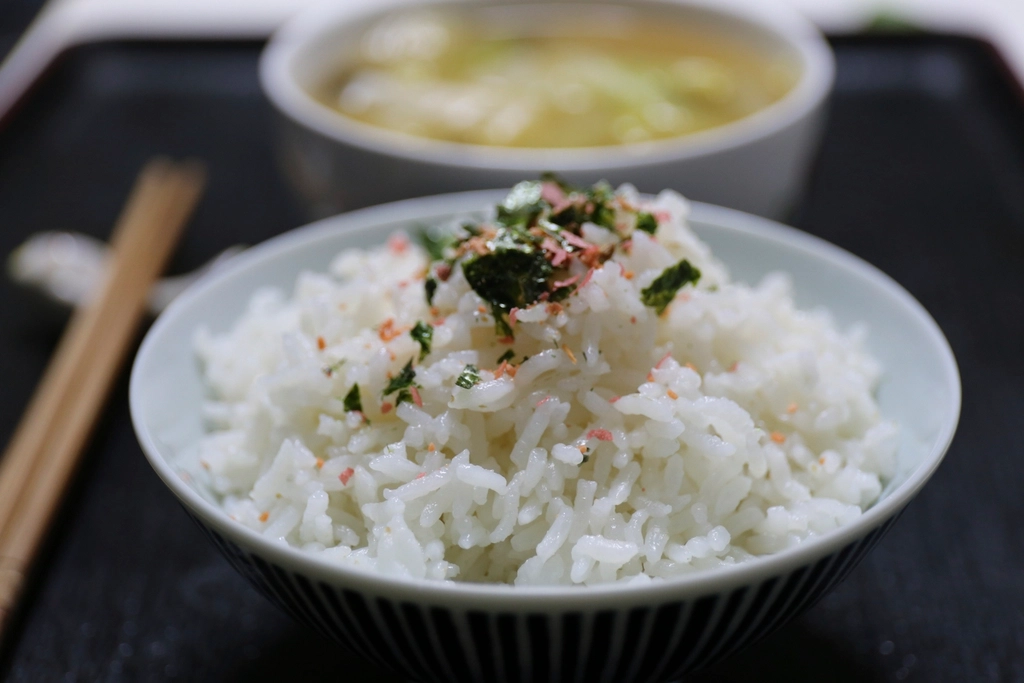
Quick Verdict: The best rice cooker for sushi rice in 2026 is the Zojirushi Neuro Fuzzy NS-ZCC10 — its dedicated sushi setting cooks short-grain rice slightly firmer so it holds its shape for rolling. For the most precise grains, the pressure-induction Zojirushi NP-NWC10 is the upgrade, while the Tiger JKT-D10U and pressure-based Cuckoo CRP-P0609S also deliver sushi-grade texture. Great sushi starts with great rice — here’s how to get it.
Best Rice Cookers for Sushi Rice at a Glance
| Award | Model | Best For | Capacity / Type | Price Tier |
|---|---|---|---|---|
| Best Overall | Zojirushi Neuro Fuzzy NS-ZCC10 | Dedicated sushi setting | 5.5 cup / Micom | $$ Mid |
| Best Premium | Zojirushi NP-NWC10 | Most precise sushi grains | 5.5 cup / Pressure IH | $$$ Premium |
| Best Tiger IH | Tiger JKT-D10U | Induction even cooking | 5.5 cup / IH | $$$ Premium |
| Best Pressure | Cuckoo CRP-P0609S | Sticky, glutinous sushi rice | 6 cup / Pressure | $$ Mid |
| Best with Steamer | Zojirushi NS-TSC10 | Sushi rice plus steaming | 5.5 cup / Micom | $$ Mid |
| Best Budget | Aroma ARC-914SBD | Simple short-grain rice | 8 cup cooked / Digital | $ Under $40 |
How We Picked the Best Rice Cookers for Sushi Rice
We synthesized independent reviews and manufacturer specifications from Zojirushi, Tiger, Cuckoo, and Aroma, focusing on which cookers produce the firm, evenly cooked short-grain rice that sushi demands. We have not lab-tested these units; all specs come from manufacturer documentation, and we list genuine pros and cons. Sushi rice is about texture control — slightly firmer than table rice, with intact grains — so dedicated sushi settings and precise heating lead our picks.
- Dedicated sushi setting — Programs that cook short-grain rice slightly firmer.
- Even, precise heat — Consistent grains that hold their shape.
- Short-grain handling — Cookers tuned for Japanese-style rice.
- Honest trade-offs — Seasoning is up to you; the cooker handles the rice.
The Best Rice Cookers for Sushi Rice — Top Picks
Best Overall — Zojirushi Neuro Fuzzy NS-ZCC10
Best for: Home sushi makers who want a proven dedicated sushi setting.
The Zojirushi Neuro Fuzzy NS-ZCC10 includes a dedicated sushi setting that cooks short-grain rice slightly firmer than the standard mode, so the grains stay separate and hold their shape when seasoned and rolled. Its fuzzy-logic microcomputer keeps the cook even and consistent, and the thick spherical inner pan distributes heat well. It’s the most recommended cooker for home sushi.
- Dedicated sushi setting for firmer, shape-holding rice
- Fuzzy logic keeps every batch consistent
- Thick spherical pan for even heat
- Also excellent at white, brown, and mixed rice
- Conventional micom heating, not induction
- You still season the rice yourself after cooking
Best Premium — Zojirushi NP-NWC10
Best for: Buyers who want the most precise, uniform sushi grains.
The Zojirushi NP-NWC10 combines induction and pressure for the most uniform short-grain rice in this guide. Induction heats the entire 5.5-cup (1.0 L) pan evenly so every grain cooks the same, and the dedicated sushi setting tunes the result for firm, intact rice. Rated at 1,240 watts with a learning algorithm, it’s the choice for sushi enthusiasts who want precision.
- Induction heating for perfectly even grains
- Dedicated sushi setting tuned for firm rice
- Learning algorithm refines results over time
- Top-tier short-grain texture
- Premium price
- Pressure gasket and valve need periodic cleaning
Best Tiger IH — Tiger JKT-D10U
Best for: Buyers who want induction-even sushi rice with Tiger tuning.
The Tiger JKT-D10U uses induction heating to cook the whole pot evenly, which helps short-grain sushi rice come out uniform from top to bottom. Independent testers rated its rice on par with top fuzzy-logic flagships, and its menus include settings suited to sushi-style rice. It’s a top induction choice for sushi makers who prefer Tiger.
- Induction heating for uniform short-grain rice
- Texture rated on par with top flagships
- Tiger’s respected build quality
- Versatile menus beyond sushi
- Premium pricing
- Menu interface has a learning curve
Best Pressure — Cuckoo CRP-P0609S
Best for: Fans of stickier, glutinous-style sushi rice.
The Cuckoo CRP-P0609S is a 6-cup (1.08 L) high-pressure cooker rated at 890 watts, with a white/glutinous setting well suited to the sticky, cohesive rice many sushi makers prefer. Pressure cooking gives short-grain rice a chewy, cohesive texture that holds together for nigiri and rolls. The stainless inner pot with X-Wall coating and auto-clean cycle round it out.
- Pressure cooking yields sticky, cohesive sushi rice
- White/glutinous setting suits short-grain rice
- Stainless inner pot with X-Wall coating
- Auto-clean cycle for the pressure lid
- No setting labeled specifically “sushi”
- Pressure system adds cleaning steps
Best with Steamer — Zojirushi NS-TSC10
Best for: Sushi makers who also want to steam fish or vegetables.
The Zojirushi NS-TSC10 is a 5.5-cup (1.0 L) micom cooker with a dedicated steam menu and an included steaming basket, plus a sushi setting for firm short-grain rice. You can steam fish or vegetables for your sushi spread while the rice cooks, and a cake setting adds extra versatility. It’s a practical all-in-one for a sushi night.
- Sushi setting plus a dedicated steam menu
- Included steaming basket for fish or vegetables
- Fuzzy-logic micom cooking for even rice
- Cake setting adds versatility
- Conventional micom heating, not induction
- Steaming and rice timing take a little coordination
Best Budget — Aroma ARC-914SBD
Best for: Occasional sushi makers who want a simple, affordable short-grain cooker.
If you make sushi only now and then, the Aroma ARC-914SBD is a sensible budget choice. This digital cooker handles up to 8 cups cooked (4 cups uncooked) and cooks short-grain rice reliably for home rolls, with a delay timer, steam tray, and keep-warm. It lacks a dedicated sushi setting, so you’ll use the white-rice mode with slightly less water for a firmer result — but at around $30 it’s an easy entry point for casual sushi nights without committing to a premium cooker.
- Affordable way to cook short-grain rice for sushi
- Steam tray for fish and vegetables
- Delay timer and keep-warm included
- Simple, dependable digital operation
- No dedicated sushi setting — adjust water manually
- Conventional heating is less precise than micom or IH
Sushi Rice Cooker Buying Guide: What to Look For
What Makes Sushi Rice Different
Sushi rice is short-grain Japanese rice cooked slightly firmer than everyday table rice, so the grains stay distinct and hold their shape when seasoned with rice vinegar and formed into rolls or nigiri. A dedicated sushi setting adjusts the water-to-heat balance to deliver that firmer texture automatically — the single most useful feature for home sushi.
Why Even Heating Matters for Sushi
Uniform grains are essential for sushi, so even heating is key. Induction cookers heat the whole pot for the most consistent results, while quality micom cookers with a sushi algorithm also do an excellent job. Pressure cookers produce a stickier, more cohesive rice that some sushi makers prefer for its hold.
Short-Grain Rice and Rinsing
Use proper short-grain (sushi or Japanese) rice and rinse it until the water runs clear to remove excess surface starch — this is the difference between glossy, separate grains and a gummy clump. Even the best cooker can’t fix unrinsed rice. After cooking, let the rice rest briefly before seasoning.
Bonus: Steaming for the Full Spread
If you’ll make sushi regularly, a cooker with a steam function (like the Zojirushi NS-TSC10) lets you steam fish or vegetables alongside the rice, turning one appliance into a sushi-night workstation.
Seasoning the Rice (Sushi-zu)
The cooker handles the rice; you handle the seasoning. Once the rice finishes and rests briefly, transfer it to a wide bowl and gently fold in sushi vinegar (a mix of rice vinegar, sugar, and salt) while the rice is still warm, using a cutting motion to avoid mashing the grains. Fanning the rice as you mix gives it the characteristic glossy sheen. No rice cooker seasons the rice for you, so this step is what turns cooked short-grain rice into true sushi rice.
Capacity for Sushi Nights
Sushi uses rice quickly once you start rolling, so don’t undersize your cooker. A 5.5-cup cooker is a comfortable choice for a family sushi night, giving you enough seasoned rice for several rolls plus nigiri. If you entertain or make large batches, consider a bigger cooker; if it’s just for one or two people, a 3-cup model is plenty.
Getting the Best Results for Sushi Rice
Rinse short-grain rice until the water runs clear, use the sushi setting (or slightly less water on the white-rice mode), and follow the interior fill line. Let the rice rest briefly after the cycle, then season it warm. The combination of proper short-grain rice, thorough rinsing, a firmer cook, and warm seasoning is what produces sushi rice that holds together for rolling without turning gummy.
Common Sushi Rice Mistakes to Avoid
Using the wrong rice. Long-grain rice will not hold together for rolls or nigiri. Use short-grain Japanese rice (often labeled sushi rice) for the right starch content and cohesive texture.
Skipping the rinse. Unrinsed rice is the top cause of gummy sushi rice. Rinse until the water runs clear to remove excess surface starch before cooking.
Too much water. Sushi rice should be cooked slightly firmer than table rice so the grains hold their shape. Use the sushi setting or reduce the water slightly on a standard mode.
Seasoning cold rice. Sushi vinegar should be folded into warm rice, not cold, so it absorbs evenly and gives the rice its glossy sheen. Mix gently with a cutting motion to avoid mashing the grains, ideally in a wide bowl.
Frequently Asked Questions
What is the best rice cooker for sushi rice in 2026?
The Zojirushi Neuro Fuzzy NS-ZCC10 is the best sushi-rice cooker for most people, thanks to its dedicated sushi setting that cooks short-grain rice slightly firmer so it holds its shape. For the most precise grains, the pressure-induction Zojirushi NP-NWC10 is the upgrade.
Do I need a special sushi setting on my rice cooker?
It helps a lot. A sushi setting cooks short-grain rice slightly firmer than the standard mode so the grains stay distinct and hold together when seasoned and rolled. You can approximate it on a standard cooker by using slightly less water, but a dedicated setting makes it consistent.
What kind of rice should I use for sushi?
Use short-grain Japanese rice (often labeled sushi rice). It has the right starch content to turn glossy and cohesive when cooked and seasoned. Medium-grain can work in a pinch, but long-grain rice won’t hold together for rolls or nigiri.
Should I rinse rice before making sushi?
Yes — always. Rinse short-grain rice until the water runs clear to wash off excess surface starch. Skipping this step is the most common reason sushi rice turns out gummy. After cooking, let the rice rest briefly, then fold in seasoned rice vinegar.
Is a pressure cooker good for sushi rice?
It can be, depending on your preference. Pressure cookers like the Cuckoo CRP-P0609S produce a stickier, more cohesive rice that some sushi makers like for its hold. Others prefer the slightly firmer, more separate grains from a dedicated sushi setting on a micom or induction cooker. Both can make excellent sushi.
Can I make sushi rice without a sushi setting?
Yes. A dedicated sushi setting makes it more consistent, but you can make excellent sushi rice on any cooker’s white-rice mode by using slightly less water for a firmer grain. The bigger factors are using proper short-grain rice, rinsing it thoroughly, and seasoning it warm with sushi vinegar — get those right and even a basic cooker will produce good sushi rice.
How much water do I use for sushi rice?
Sushi rice is cooked slightly firmer than table rice, so use a touch less water than for everyday white rice — many cookers with a sushi setting calibrate this automatically via a dedicated fill line. As a rule of thumb on a standard setting, reduce the water slightly and adjust over a couple of batches until the grains are firm but fully cooked, since the rice will also absorb the vinegar seasoning afterward.
What rice cooker do sushi restaurants use?
Professional kitchens typically use large-capacity commercial cookers, but for home use the same brands that lead our list — Zojirushi, Tiger, and Cuckoo — are what most serious home sushi makers choose. A pressure-induction Zojirushi like the NP-NWC10 offers the most refined short-grain texture, while the Neuro Fuzzy NS-ZCC10 delivers restaurant-quality results at a more accessible price.
Final Verdict
The Zojirushi Neuro Fuzzy NS-ZCC10 is the best rice cooker for sushi rice for most home cooks, with a dedicated sushi setting and consistent results. Step up to the Zojirushi NP-NWC10 for the most precise grains, choose the Cuckoo CRP-P0609S for stickier pressure-cooked rice, or pick the Zojirushi NS-TSC10 if you want to steam fish and vegetables too. Check current pricing before you buy.
Last updated: June 2026
See our main guide: Best Rice Cookers.