A perfectly cooked bowl of rice is a simple pleasure, a staple in countless kitchens worldwide. Your trusty rice cooker makes this possible with minimal effort. However, to consistently achieve that fluffy perfection and ensure your appliance lasts for years, paying attention to a vital, yet often overlooked, component is essential: the inner lid. Over time, steam, starch, and food particles can accumulate on this surface, leading to unpleasant odors, sticky residue, and even bacterial growth. Learning How To Clean The Inner Lid Of Your Rice Cooker Properly is not just about hygiene; it’s about maintaining the performance and longevity of your appliance.
Understanding Your Rice Cooker’s Inner Lid
Rice cookers come in various designs, from basic mechanical models to advanced electronic and induction heating units. While the technology inside differs, most share a common design feature: an inner lid. This lid plays a critical role in trapping steam, maintaining pressure, and regulating temperature to cook rice efficiently.
The inner lid itself can vary significantly. Some rice cookers feature a detachable inner lid, which can be fully removed for comprehensive cleaning. These often include removable steam vents, gaskets, and condensation collectors. Other models have a non-detachable, hinged lid, where the inner surface is fixed. Understanding your specific model’s design is the first step towards effective cleaning, as it dictates the methods you can safely employ. Regardless of the type, the goal remains the same: to remove all lingering residue and moisture.
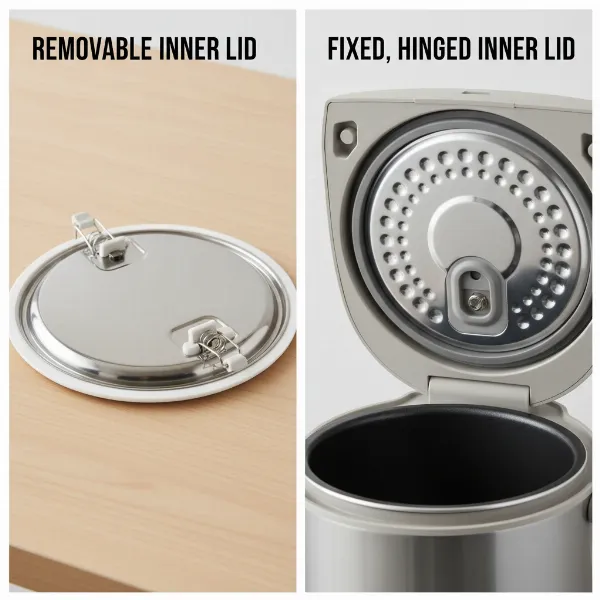 A comparison of detachable and fixed inner lids in rice cookers, highlighting design differences for cleaning.
Why Proper Inner Lid Cleaning is Crucial
Neglecting the inner lid of your rice cooker can lead to several undesirable outcomes, impacting both the quality of your food and the health of your appliance.
Firstly, proper cleaning is paramount for preventing bacterial growth and mold. Rice residue and trapped moisture create an ideal breeding ground for these unwanted guests. Mold not only poses health risks but can also impart a stale, off-putting smell and taste to your freshly cooked rice.
Secondly, regular cleaning helps in eliminating odors and residue buildup. Starchy deposits can harden, becoming difficult to remove and trapping odors that transfer to subsequent batches of rice. This buildup can also hinder the lid’s sealing ability, potentially affecting cooking efficiency.
Ultimately, maintaining a pristine inner lid ensures optimal cooking performance and extends your appliance’s lifespan. A clean lid functions as intended, providing consistent heat and moisture distribution. This prevents issues like unevenly cooked rice or the appliance working harder than necessary, which can lead to premature wear and tear. A small investment of time in cleaning can save you from frustration and the cost of early replacement.
Step-by-Step Guide to Cleaning a Detachable Inner Lid
If your rice cooker features a detachable inner lid, you’re in luck! This design makes thorough cleaning straightforward and efficient.
Preparation and Disassembly
|
Our Picks for the Best Rice Cooker in 2026
As an Amazon Associate I earn from qualifying purchases.
|
||
| Num | Product | Action |
|---|---|---|
| 1 | Aroma Housewares 4-Cups (Cooked) / 1Qt. Rice & Grain Cooker (ARC-302NGBL), Blue |

|
| 2 | COMFEE' Compact Rice Cooker, 6-in-1 Stainless Steel Multi Cooker, Slow Cooker, Steamer, Saute, and Warmer, 2 QT, 8 Cups Cooked(4 Cups Uncooked), Brown Rice, Quinoa and Oatmeal, 6 One-Touch Programs |
|
| 3 | Instant Pot 4QT RIO Mini 7-in-1 Multi-Cooker, Pressure Cooker, Slow cook, Sauté, Steam, Rice Maker, Yogurt, & Warmer, Sea Salt, 4 Quarts |
|
| 4 | AROMA Digital Rice Cooker, 4-Cup (Uncooked) / 8-Cup (Cooked), Steamer, Grain Cooker, Multicooker, 2 Qt, Stainless Steel Exterior, ARC-914SBD |
|
| 5 | AROMA® Mini Rice Cooker, 2-Cup (Uncooked) / 4-Cup (Cooked), Grain Cooker, Soup Maker, Oatmeal Cooker, Auto Keep Warm, 1 Qt, Light Green |
|
| 6 | AROMA® Select Stainless® Rice Cooker, 3-Cup (Uncooked) / 6-Cup (Cooked), Stainless Steel Inner Pot, Small Rice Cooker, Auto Keep Warm, 1.2 Qt, White, ARC-753SG |
|
| 7 | COSORI Rice Cooker 10 Cup, 24h Keep Warm, Non-stick Ceramic Inner Pot, 18 Functions Fuzzy Logic Rice Maker with Stainless Steel Steamer Basket, Sauté, Slow Cooker, Black |
|
| 8 | Zojirushi Micom 3-Cup Compact Size, Multiple Settings, Stainless Steel Made, Built-In Retractable Power Cord and Easy to Transport Rice Cooker and Warmer |
|
| 9 | AROMA® Mini Rice Cooker, 2-Cup (Uncooked) / 4-Cup (Cooked), Grain Cooker, Soup Maker, Oatmeal Cooker, Auto Keep Warm, 1 Qt, Milk Tea color |
|
| 10 | BLACK+DECKER Rice Cooker 6-Cup (Cooked) with Steaming Basket, Removable Non-Stick Bowl, White |
|
Before you begin, always prioritize safety. Unplug your rice cooker from the power outlet and allow it to cool completely. Attempting to clean a hot appliance can result in burns and potential damage.
Once cool, gently remove the inner cooking pot. Next, focus on the inner lid. Most detachable lids have clips, tabs, or a simple pull-and-release mechanism. Carefully remove the inner lid, then detach any smaller components like the steam vent, pressure cap, silicone gaskets, and condensation collector. Lay all these parts out on a clean surface.
Washing the Components
With all components disassembled, it’s time to wash. Fill your sink with warm water and add a few drops of mild dish soap. Submerge the inner lid, steam vent, gaskets, and condensation collector. Using a soft sponge or a microfiber cloth, gently scrub away any rice residue, starch, or grease. Pay close attention to crevices and seals where food particles often hide. A soft-bristle brush or a bottle brush can be incredibly useful for reaching tight spots around the steam vent and gasket grooves.
For stubborn residue or stains, a simple solution can work wonders. Create a paste using a tablespoon of baking soda and a few drops of water or lemon juice. Apply this paste directly to the affected areas, let it sit for about 10-15 minutes, then scrub gently. For more persistent odors or to deep clean, a diluted white vinegar solution (equal parts vinegar and water) can be effective. You can soak the parts for 15-30 minutes, or wipe them down with a vinegar-dampened cloth.
“Consistency in cleaning is key. Even a quick wipe-down after each use can prevent hours of scrubbing later on.” – Lan, Admin, ricecookerhot.com
Rinsing and Drying Thoroughly
This step is critical for preventing mold and ensuring no cleaning agent residue is left behind. Rinse all washed components thoroughly under warm, running water. Ensure all soap suds, vinegar, or baking soda paste are completely gone. Any remaining residue can affect the taste of your rice or, in the case of soap, lead to discoloration over time.
Once rinsed, dry each part completely. You can use a clean, dry cloth or allow them to air dry on a rack. It’s vital that there is absolutely no moisture left before reassembly and storage. Mold thrives in damp environments, and even a tiny bit of lingering water can create problems.
Reassembly
Once all parts are sparkling clean and bone dry, carefully reassemble them. Ensure that gaskets are properly seated, steam vents are clicked into place, and the inner lid is securely attached to the main cooker lid. Refer to your rice cooker’s manual if you’re unsure about the exact reassembly process for your model. A correctly reassembled lid will maintain the optimal cooking environment for your next meal.
Cleaning a Non-Detachable Inner Lid
While a non-detachable inner lid might seem more challenging to clean, it’s still entirely manageable with the right approach. The key here is to clean in place and avoid excess moisture near electrical components.
Safety First
As with any appliance cleaning, unplug your rice cooker and allow it to cool completely before you start. Since the lid is attached, it’s even more important to be mindful of where water goes to prevent damage to the heating elements or electronics.
Wipe Down Method
For daily or light cleaning, the wipe-down method is your go-to. Dampen a microfiber cloth or a soft sponge with warm water and a few drops of mild dish detergent. Wring out any excess water thoroughly; the cloth should be damp, not dripping. Gently wipe down the entire inner surface of the lid, focusing on areas with visible residue, around the steam vent, and along the edges.
For areas with stubborn spots or lingering odors, create a solution of equal parts white vinegar and water. Dip a cloth into this solution, wring it out well, and carefully wipe the affected areas. Vinegar is excellent for breaking down starch and neutralizing odors. Avoid direct spraying onto the lid to prevent liquid from seeping into hidden components.
The Steaming Method for Deep Cleaning
For a more thorough clean of a non-detachable lid, especially if you notice significant buildup or stubborn odors, a steaming method can be effective.
- Remove the inner pot and fill it about 70-80% with water.
- Add a few tablespoons of white vinegar to the water.
- Place the pot back into the rice cooker, close the lid, and run a steam or cook cycle (without rice) for about 15-20 minutes. The steam will help loosen grime on the inner lid.
- Once the cycle is complete, unplug the cooker and let it cool slightly.
- While the lid is still warm and the residue is softened, use a clean, damp cloth (with mild soap or just water) to wipe down the inner lid. The loosened grime should come off easily.
Drying and Post-Cleaning Care
After wiping, use a separate clean, dry cloth to thoroughly dry the inner lid. You can also leave the lid open for several hours to allow any residual moisture to evaporate completely. Ensure the rice cooker is completely dry before closing the lid or storing the appliance. This diligent drying prevents mold and mildew from forming.
Essential Tools for Effective Inner Lid Cleaning
Having the right tools can make the cleaning process much easier and more effective. You likely already have most of these in your kitchen:
- Soft Sponges and Microfiber Cloths: These are indispensable for wiping surfaces without scratching. Microfiber cloths are particularly good at picking up fine residue and drying effectively.
- Mild Dish Soap: Your everyday dish soap is perfect for breaking down grease and food particles.
- White Vinegar: An excellent natural cleaner, deodorizer, and disinfectant, particularly useful for stubborn stains and neutralizing odors.
- Baking Soda: Creates a gentle abrasive paste for tackling dried-on food.
- Soft-Bristle Brushes: A small brush, like an old toothbrush or a specialized cleaning brush, is ideal for reaching into tight crevices around steam vents and gasket seals.
- Bottle Brushes (optional): If your rice cooker has unique, hard-to-reach components, a thin bottle brush might be helpful.
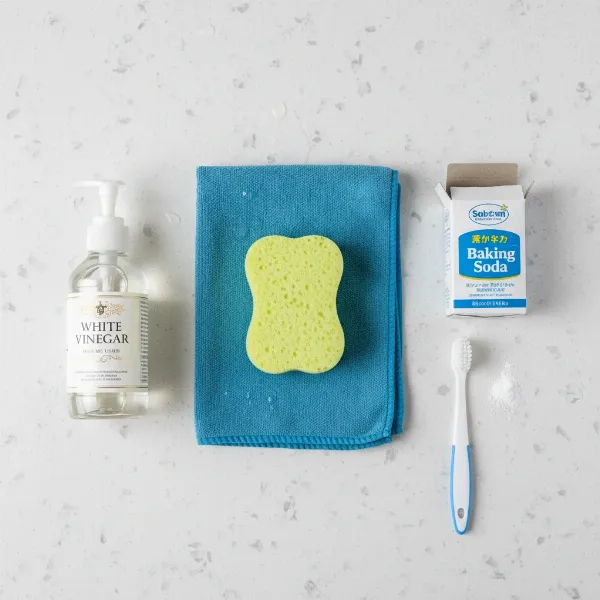 Various essential tools for cleaning a rice cooker lid, including sponges, brushes, and cleaning solutions.
Preventing Future Buildup and Mold
Proactive maintenance is the best defense against grime and mold. By adopting a few simple habits, you can keep your rice cooker’s inner lid pristine with minimal effort.
The most important rule is to clean your rice cooker after every use. As soon as the rice is served and the cooker has cooled down, address any residue on the inner lid. A quick wipe with a damp cloth can prevent starches from hardening and becoming a persistent problem.
Secondly, always ensure all parts are completely dry before reassembly and storage. As emphasized before, moisture is mold’s best friend. Take the extra minute to air dry or thoroughly wipe down components.
When storing your rice cooker, consider leaving the lid slightly ajar. This allows for air circulation, preventing moisture from becoming trapped and creating a humid environment perfect for mold growth. Many rice cookers come with a lid latch that allows for this open-air storage.
Finally, incorporate a regular deep cleaning schedule. Depending on your usage, this could be weekly or bi-weekly. A deep clean ensures that no hidden grime or bacteria have a chance to take hold, keeping your rice cooker in top condition.
Expert Tips for a Pristine Rice Cooker Lid
Beyond the standard cleaning practices, a few expert insights can elevate your rice cooker maintenance routine.
One often overlooked area is the underside of the condensation collector or any hidden channels designed to redirect steam. These can accumulate sticky residue over time. Regularly inspect and clean these spots with a cotton swab or a small brush.
If you ever notice a persistent, sour smell even after cleaning, it might indicate that residue has built up in a very hidden area, possibly under a non-removable gasket. For such cases, the vinegar steaming method can be particularly effective.
Remember that while some components like inner pots or detachable lids might be dishwasher safe, always consult your specific rice cooker’s manual before placing any part in the dishwasher. High heat and harsh detergents can damage certain materials, especially non-stick coatings or plastic seals.
Ultimately, treating your rice cooker with care and maintaining its cleanliness ensures it remains a reliable partner in your kitchen for many delicious meals to come.
Conclusion
Maintaining a clean inner lid for your rice cooker is more than just a chore; it’s an investment in delicious meals and a long-lasting appliance. By understanding whether your lid is detachable or fixed, gathering a few basic cleaning supplies, and following a consistent routine, you can effectively tackle starch buildup, eliminate odors, and prevent mold. Remember to always prioritize safety by unplugging your cooker and allowing it to cool, and ensure all components are thoroughly dried before reassembly. A little effort goes a long way in keeping your rice cooker performing its best, batch after perfect batch.
What simple cleaning habit has made the biggest difference in maintaining your kitchen appliances?
Frequently Asked Questions
How often should I clean my rice cooker’s inner lid?
Ideally, you should clean your rice cooker’s inner lid, along with the inner pot, after every single use to prevent starch buildup and odors. For a more thorough deep clean, aim for at least once a week or every few uses, especially if you use it frequently.
Can I put my rice cooker lid in the dishwasher?
It depends on your specific model. While many detachable inner lids and accessories are dishwasher-safe, others are not, particularly those with delicate seals or electronic components. Always check your rice cooker’s user manual to confirm if specific parts are dishwasher-safe.
What if my rice cooker lid has mold?
If you discover mold on your rice cooker lid, immediately remove all affected parts. For detachable parts, soak them in a mixture of warm water and white vinegar (or a mild bleach solution, if safe for the material, followed by thorough rinsing). Scrub with a brush, rinse completely, and dry thoroughly. For non-detachable lids, use the vinegar steaming method followed by a careful wipe-down with a vinegar-dampened cloth, ensuring no moisture enters electrical components.
How to remove sticky residue from rice cooker lid?
Sticky residue, often dried starch, can be softened with warm, soapy water. For stubborn spots, create a paste of baking soda and a little water or lemon juice, apply it, let it sit for 10-15 minutes, then gently scrub with a soft-bristle brush. White vinegar is also excellent for dissolving starchy residue. After loosening, wipe clean with a damp cloth and dry thoroughly.