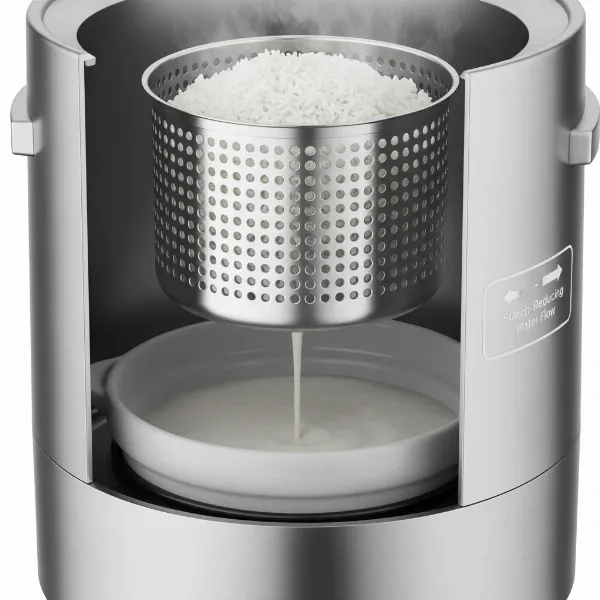
The humble rice cooker, often relegated to simply steaming grains, holds a secret talent: it’s an absolute champion for crafting perfect porridge and congee. If you’ve ever yearned for a hearty, comforting bowl of rice-based goodness but dreaded the constant stirring and potential for scorching, your rice cooker is about to become your new best friend. This guide will transform your perception of this versatile kitchen appliance, offering you the ultimate blueprint to create creamy, delicious porridge and congee with minimal effort and maximum flavor. Get ready to elevate your breakfast and meal prep with this surprisingly simple method.
Unveiling the Magic: Porridge and Congee in a Rice Cooker
Porridge and congee are both comforting rice dishes, staples in many cultures, particularly across Asia. While often used interchangeably, there are subtle differences. Porridge generally refers to a broader category of hot cereals made from grains, including oats, rice, or corn. Congee, specifically, is a type of rice porridge, known for its incredibly soft, almost dissolved rice grains, achieved through prolonged cooking with a higher water-to-rice ratio. The beauty of preparing these dishes in a rice cooker lies in its ability to maintain consistent heat and automatically switch to a “keep warm” setting, preventing burns and ensuring a perfectly tender result without constant supervision.
Understanding the Basics: Types of Rice Cookers
Modern rice cookers come in various forms, each offering different levels of control and performance, which can slightly impact your porridge and congee cooking.
- Basic Mechanical Rice Cookers: These are the simplest, typically offering just “cook” and “warm” settings. They are very reliable for basic rice and can certainly make excellent porridge, though you might need to monitor the liquid levels more closely or add a little extra water initially.
- Electronic Rice Cookers (Micom): Featuring microcomputer chips, these cookers have multiple presets for different rice types (white, brown, sweet) and often a dedicated “porridge” or “congee” setting. This setting is usually programmed for a longer cooking time and a specific temperature curve, ideal for breaking down rice grains.
- Induction Heating (IH) Rice Cookers: These high-end models use electromagnetic induction to heat the entire inner pot, not just the bottom. This provides more precise temperature control and even cooking, resulting in superior texture and flavor for all rice dishes, including congee.
|
Our Picks for the Best Rice Cooker in 2026
As an Amazon Associate I earn from qualifying purchases.
|
||
| Num | Product | Action |
|---|---|---|
| 1 | AROMA® Mini Rice Cooker, 2-Cup (Uncooked) / 4-Cup (Cooked), Grain Cooker, Soup Maker, Oatmeal Cooker, Auto Keep Warm, 1 Qt, Milk Tea color |

|
| 2 | Zojirushi Micom 3-Cup Compact Size, Multiple Settings, Stainless Steel Made, Built-In Retractable Power Cord and Easy to Transport Rice Cooker and Warmer |
|
| 3 | COMFEE' Compact Rice Cooker, 6-in-1 Stainless Steel Multi Cooker, Slow Cooker, Steamer, Saute, and Warmer, 2 QT, 8 Cups Cooked(4 Cups Uncooked), Brown Rice, Quinoa and Oatmeal, 6 One-Touch Programs |
|
| 4 | AROMA® Select Stainless® Rice Cooker, 3-Cup (Uncooked) / 6-Cup (Cooked), Stainless Steel Inner Pot, Small Rice Cooker, Auto Keep Warm, 1.2 Qt, White, ARC-753SG |
|
| 5 | BLACK+DECKER Rice Cooker 6-Cup (Cooked) with Steaming Basket, Removable Non-Stick Bowl, White |
|
| 6 | AROMA Digital Rice Cooker, 4-Cup (Uncooked) / 8-Cup (Cooked), Steamer, Grain Cooker, Multicooker, 2 Qt, Stainless Steel Exterior, ARC-914SBD |
|
| 7 | AROMA® Mini Rice Cooker, 2-Cup (Uncooked) / 4-Cup (Cooked), Grain Cooker, Soup Maker, Oatmeal Cooker, Auto Keep Warm, 1 Qt, Light Green |
|
| 8 | Aroma Housewares 4-Cups (Cooked) / 1Qt. Rice & Grain Cooker (ARC-302NGBL), Blue |
|
| 9 | COSORI Rice Cooker 10 Cup, 24h Keep Warm, Non-stick Ceramic Inner Pot, 18 Functions Fuzzy Logic Rice Maker with Stainless Steel Steamer Basket, Sauté, Slow Cooker, Black |
|
| 10 | Instant Pot 4QT RIO Mini 7-in-1 Multi-Cooker, Pressure Cooker, Slow cook, Sauté, Steam, Rice Maker, Yogurt, & Warmer, Sea Salt, 4 Quarts |
|
Mastering the Ingredients: Rice and Water Ratios
The key to perfect porridge or congee in your rice cooker starts with selecting the right rice and maintaining the optimal water ratio.
Choosing Your Rice
While almost any rice can be used, certain types yield better results for congee and porridge due to their starch content and ability to break down.
- Short-Grain White Rice: This is often the preferred choice for a classic, creamy congee. Its higher starch content helps create a thick, silky texture as it breaks down.
- Medium-Grain White Rice: Also works very well, producing a slightly less sticky but still creamy consistency.
- Jasmine Rice (Long-Grain): While it can be used, jasmine rice results in a thinner congee because its grains tend to stay more separate. If using, aim for a slightly higher water ratio for creaminess.
- Brown Rice/Wild Rice: These can be used for a heartier, nuttier porridge, but require a significantly longer cooking time and more water due to their bran layers. Consider pre-soaking them for a few hours or overnight to reduce cooking time.
The Golden Ratio: Water to Rice
This is where the magic happens. The ratio of water to rice determines the consistency of your porridge or congee.
- For Thick, Creamy Porridge/Congee: A common starting point is a 1:7 or 1:8 rice to water ratio (e.g., 1 cup rice to 7-8 cups water). This will yield a very thick, almost stew-like consistency where the rice grains are largely dissolved.
- For Medium Consistency Porridge/Congee: A 1:6 ratio is excellent for a comforting, slightly looser porridge that still has distinct but very soft rice grains.
- For Thinner Porridge/Congee: A 1:9 or even 1:10 ratio is suitable if you prefer a more liquid, broth-like consistency, often preferred in certain regional congee styles.
Pro Tip: Always rinse your rice thoroughly under cold running water until the water runs clear. This removes excess starch, preventing your congee from becoming overly gummy and ensuring a cleaner flavor.
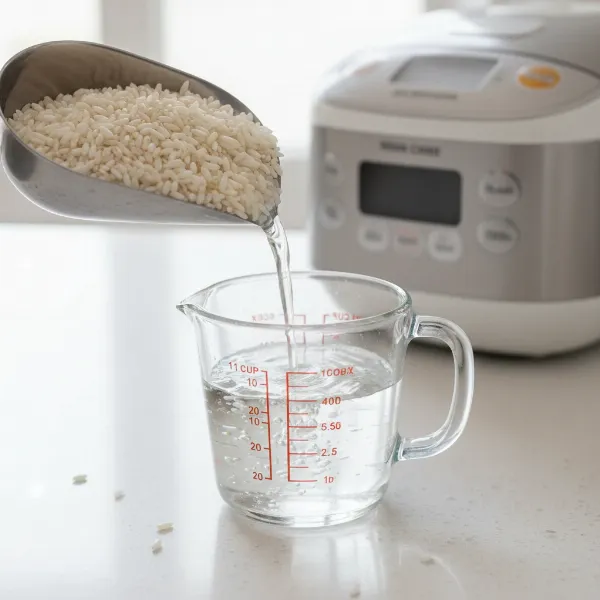 A close-up of short-grain white rice and water being measured for a rice cooker congee recipe.
Step-by-Step Guide: Crafting Porridge and Congee
Follow these simple steps to make delicious porridge or congee in your rice cooker.
1. Preparation: Rinse and Soak (Optional)
As mentioned, always rinse your rice. For an even creamier congee and slightly faster cooking, you can optionally soak the rinsed rice in some of the measured water for 30 minutes to an hour before cooking. This allows the grains to absorb water, leading to a softer breakdown during cooking.
2. Combine Ingredients
Place the rinsed rice into your rice cooker pot. Add the appropriate amount of water according to your desired consistency. For plain congee, this is all you need. If adding savory ingredients like chicken, dried scallops, or ginger, you can often add them at this stage, especially if they require a long cooking time to infuse flavor.
3. Select the Right Setting
- Dedicated “Porridge/Congee” Setting: If your rice cooker has this, use it! It’s designed for exactly this purpose and will manage the temperature and time automatically.
- “White Rice” or “Regular Cook” Setting: If you don’t have a dedicated setting, you can use the “White Rice” or “Regular Cook” setting. However, you’ll likely need to run the cycle two or even three times, or check it frequently, to achieve the desired breakdown of rice grains. For mechanical cookers, once the cycle finishes and switches to “warm,” let it sit for another 30-60 minutes on “warm” or run another cycle after stirring.
- “Slow Cook” or “Soup” Setting: Some advanced cookers have these. A “slow cook” setting on low can also work wonderfully for an overnight congee, providing a very tender result.
4. Cook and Stir (Occasionally)
Once you’ve selected your setting, let the rice cooker do its job. For the first 20-30 minutes, you can lift the lid and give the mixture a stir to prevent sticking and ensure even cooking. After this, especially if using a dedicated congee setting, you can largely leave it alone. The cooking time for porridge or congee can range from 1 to 2.5 hours, depending on your rice cooker, rice type, and desired consistency.
5. Check Consistency and Season
Once the cooking cycle is complete, carefully open the lid. The congee should be thick and creamy, with the rice grains beautifully broken down. If it’s too thick, stir in a little hot water or broth until you reach your preferred consistency. Season with salt to taste. This is also the stage to add any quick-cooking ingredients like chopped leafy greens, cooked meat (shredded chicken, minced pork), or soft-boiled eggs.
6. Garnish and Serve
Porridge and congee are often enjoyed with a variety of garnishes that add texture, flavor, and visual appeal.
- Savory Toppings: Chopped green onions, cilantro, fried shallots, pickled vegetables, a dash of sesame oil, white pepper, a few drops of soy sauce, or a sprinkle of chili flakes.
- Sweet Toppings (for Porridge): Fresh fruit, nuts, honey, brown sugar, cinnamon, or a splash of milk or cream.
> “The rice cooker takes the guesswork out of congee. It’s truly a set-it-and-forget-it method that consistently delivers the comforting texture we all crave.” – Chef Li Wei, Asian Cuisine Specialist
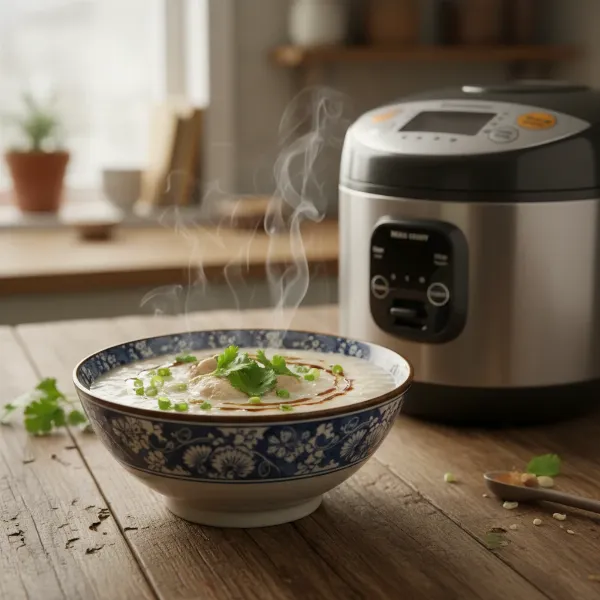 A steaming bowl of chicken congee with garnishes, next to a rice cooker.
Troubleshooting Common Issues
Even with the simplicity of a rice cooker, you might encounter a few hurdles. Here’s how to tackle them:
- Porridge is too thick: Simply stir in a little hot water or broth until it reaches your desired consistency.
- Porridge is too thin: Continue cooking on the “warm” setting or run a short “white rice” cycle with the lid slightly ajar to allow some water to evaporate. Alternatively, you can mash some of the rice against the side of the pot to release more starch, which will thicken it.
- Rice is not broken down enough: Your rice cooker may not have a strong enough dedicated porridge setting, or you might be using a basic model. Run another “white rice” cycle, or let it sit on “warm” for an extended period (1-2 hours) after cooking. Pre-soaking the rice helps significantly.
- Scorched bottom: This can happen if the water-to-rice ratio is too low or if your rice cooker heats too aggressively without a porridge setting. Increase the water slightly next time, or stir occasionally during the first half of cooking.
Exploring Creative Variations
Once you’ve mastered the basic technique, the possibilities for flavor combinations are endless.
- Savory Chicken Congee: Add boneless, skinless chicken thighs (diced) and slices of fresh ginger to the pot with the rice and water. Garnish with green onions and white pepper.
- Seafood Congee: Incorporate dried scallops (rehydrated), shrimp, or fish slices towards the end of the cooking process.
- Vegetarian Mushroom Congee: Use vegetable broth instead of water and add various sliced mushrooms (shiitake, oyster) during cooking.
- Sweet Porridge: For breakfast porridge, use oats instead of rice (adjusting water ratio accordingly) or make a sweet rice porridge with coconut milk, sugar, and toppings like mango or berries.
- Nutrient-Packed Congee: Add pureed root vegetables (carrots, sweet potatoes) or leafy greens (spinach, kale) during the last 30 minutes of cooking for added vitamins and color.
Conclusion
The rice cooker is more than just a convenient appliance for perfectly cooked grains; it’s an unsung hero for creating deeply satisfying, effortlessly creamy porridge and congee. By understanding the right rice-to-water ratios, utilizing your cooker’s settings, and experimenting with various ingredients, you can consistently achieve comforting bowls of this versatile dish without the fuss. Whether you’re seeking a simple breakfast, a restorative meal for a chilly evening, or a wholesome dish for loved ones, your rice cooker stands ready to deliver. What delicious congee creation will you embark on first?
Frequently Asked Questions
Can I make congee overnight in a rice cooker?
Yes, many modern rice cookers with a “porridge” or “slow cook” setting, or even a simple “keep warm” function, are ideal for overnight congee. Simply set it up with your chosen rice and water ratio before bed, and wake up to a perfectly cooked, warm bowl.
Do I need to use hot water for congee in a rice cooker?
While some traditional recipes suggest using hot water to kickstart the cooking process, it’s not strictly necessary when using a rice cooker. The appliance will gradually bring the water to temperature, and cold water works just fine for a consistent result.
Can I add raw meat to the rice cooker with the rice for congee?
For most types of raw meat like chicken or pork, it’s generally safe and convenient to add them at the beginning of the cooking cycle with the rice and water. Ensure the meat is cut into small, manageable pieces so it cooks thoroughly and breaks down easily into the congee.