In the bustling modern kitchen, where time is a precious commodity, choosing the right appliances can dramatically streamline your cooking process. When it comes to preparing one of the world’s most consumed staples, rice cookers stand as indispensable tools. But the market now offers a choice that can leave many home cooks pondering: should you opt for a traditional standard rice cooker, or is the speed and versatility of a pressure rice cooker a worthwhile investment? This article delves into the core differences, advantages, and considerations to help you decide if the increased speed truly justifies the cost and complexity.
Understanding Rice Cookers: Standard vs. Pressure
At their heart, both standard and pressure rice cookers are designed to perfectly cook rice, but they achieve this through distinct mechanisms. Understanding these differences is the first step in determining which appliance best suits your culinary needs and lifestyle.
A standard rice cooker operates on a simple principle: it heats water to its boiling point, which then steams and cooks the rice. Equipped with a heating plate, a thermostat, and a cooking pan, these appliances automatically switch to a “keep warm” mode once all the water is absorbed and the temperature inside rises. This method ensures consistent, fluffy rice without the need for constant monitoring, making it a reliable and user-friendly choice for everyday grain preparation.
On the other hand, a pressure rice cooker takes cooking to a new level by trapping steam inside a sealed pot, which significantly increases internal pressure and raises the boiling point of water above 100°C (212°F). This high-pressure environment cooks food much faster while simultaneously enhancing moisture retention and flavor. Modern electric pressure rice cookers have evolved from their stovetop ancestors, now featuring sophisticated safety mechanisms like locking lids and automatic steam release valves, making them more approachable than ever before.
The fundamental distinction lies in their cooking environments. A standard rice cooker operates at atmospheric pressure, gently simmering rice to perfection. A pressure rice cooker, however, leverages elevated pressure to accelerate cooking times, effectively transforming tough ingredients into tender dishes in a fraction of the traditional time.
Guiding Your Choice: Key Factors to Consider
Deciding between a pressure rice cooker and a standard model requires a thoughtful evaluation of several factors that impact your cooking habits and desired outcomes. Each type offers unique benefits and potential trade-offs.
Cooking Time: The Speed Factor
|
Our Picks for the Best Rice Cooker in 2026
As an Amazon Associate I earn from qualifying purchases.
|
||
| Num | Product | Action |
|---|---|---|
| 1 | AROMA® Select Stainless® Rice Cooker, 3-Cup (Uncooked) / 6-Cup (Cooked), Stainless Steel Inner Pot, Small Rice Cooker, Auto Keep Warm, 1.2 Qt, White, ARC-753SG |

|
| 2 | Zojirushi Micom 3-Cup Compact Size, Multiple Settings, Stainless Steel Made, Built-In Retractable Power Cord and Easy to Transport Rice Cooker and Warmer |
|
| 3 | BLACK+DECKER Rice Cooker 6-Cup (Cooked) with Steaming Basket, Removable Non-Stick Bowl, White |
|
| 4 | COMFEE' Compact Rice Cooker, 6-in-1 Stainless Steel Multi Cooker, Slow Cooker, Steamer, Saute, and Warmer, 2 QT, 8 Cups Cooked(4 Cups Uncooked), Brown Rice, Quinoa and Oatmeal, 6 One-Touch Programs |
|
| 5 | Aroma Housewares 4-Cups (Cooked) / 1Qt. Rice & Grain Cooker (ARC-302NGBL), Blue |
|
| 6 | Instant Pot 4QT RIO Mini 7-in-1 Multi-Cooker, Pressure Cooker, Slow cook, Sauté, Steam, Rice Maker, Yogurt, & Warmer, Sea Salt, 4 Quarts |
|
| 7 | COSORI Rice Cooker 10 Cup, 24h Keep Warm, Non-stick Ceramic Inner Pot, 18 Functions Fuzzy Logic Rice Maker with Stainless Steel Steamer Basket, Sauté, Slow Cooker, Black |
|
| 8 | AROMA® Mini Rice Cooker, 2-Cup (Uncooked) / 4-Cup (Cooked), Grain Cooker, Soup Maker, Oatmeal Cooker, Auto Keep Warm, 1 Qt, Light Green |
|
| 9 | AROMA® Mini Rice Cooker, 2-Cup (Uncooked) / 4-Cup (Cooked), Grain Cooker, Soup Maker, Oatmeal Cooker, Auto Keep Warm, 1 Qt, Milk Tea color |
|
| 10 | AROMA Digital Rice Cooker, 4-Cup (Uncooked) / 8-Cup (Cooked), Steamer, Grain Cooker, Multicooker, 2 Qt, Stainless Steel Exterior, ARC-914SBD |
|
Is speed truly worth it? When comparing cooking times, pressure rice cookers undeniably hold a significant advantage, dramatically reducing the time required for many dishes. For example, while white rice typically takes 20–40 minutes in a standard rice cooker, a pressure cooker can prepare it in as little as 6–12 minutes. This speed difference extends to other grains and foods, making pressure cookers ideal for busy schedules where every minute counts.
Standard rice cookers, while slower, offer a hands-off experience where precise timing is less critical. The consistency they provide often outweighs the longer wait for those who prioritize perfect texture over speed. The worth of this speed factor ultimately depends on how often you need quick meals and if those extra minutes saved genuinely impact your routine.
Versatility Beyond Rice
Beyond their primary function, both appliances offer varying degrees of versatility, enabling them to cook a range of dishes.
Pressure cookers are highly versatile, capable of cooking an extensive variety of foods far beyond just rice. They excel at tenderizing tough cuts of meat for stews and roasts, cooking beans from scratch without pre-soaking, and even preparing entire meals like soups, chilis, and some desserts quickly and efficiently. Many modern electric pressure cookers, often marketed as multi-cookers, also include functions for sautéing, slow cooking, and steaming, consolidating several kitchen appliances into one.
Standard rice cookers, while specialized for rice and grains, can also be quite adaptable. Many models feature settings for different types of rice (like brown rice or sushi rice), and often come with steaming trays for vegetables, dumplings, or fish. Some can even prepare oatmeal, quinoa, or simple one-pot meals and soups. While their capabilities are more focused, they offer reliable performance for a staple part of many diets.
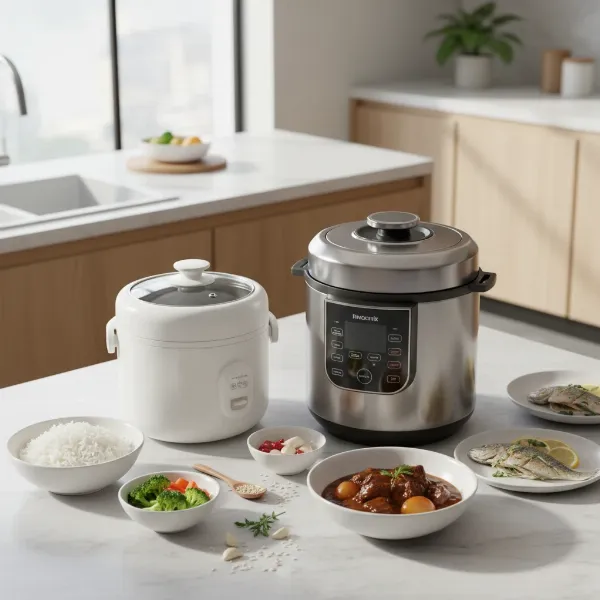 A standard rice cooker alongside a multi-functional pressure cooker, showcasing their diverse uses in a modern kitchen.
Ease of Use and Automation
The user experience can vary significantly between the two types of cookers, particularly regarding automation and required attention.
Standard rice cookers are renowned for their simplicity. You typically add the measured rice and water, press a single button, and the appliance handles the rest, automatically switching to a “keep warm” mode when done. This “set-and-forget” functionality makes them incredibly user-friendly and ideal for beginners or those who prefer minimal fuss in the kitchen.
Pressure cookers, while increasingly user-friendly with digital interfaces, generally involve a steeper learning curve. They require careful monitoring of pressure release, and precise water-to-ingredient ratios and timing are crucial to prevent overcooking or undercooking. Although modern models have advanced safety features, users still need to understand how to operate them correctly to ensure safe and optimal results.
Rice Quality and Consistency
For rice aficionados, the quality and consistency of cooked rice are paramount, and here, a dedicated standard rice cooker often shines.
Standard rice cookers are engineered to maintain consistent heat and moisture, delivering fluffy, evenly cooked rice every time. Their specialized settings are optimized for various rice types, ensuring superior texture and taste without guesswork. This specialization makes them the preferred choice for those who frequently cook rice and demand perfection.
Pressure cookers can certainly cook rice, often faster than their standard counterparts. However, achieving the consistently perfect texture that a dedicated rice cooker provides can be more challenging. Pressure cooking rice requires precise water ratios and vigilant timing to avoid overcooking or drying out the grains. While many users achieve excellent results with practice, the output can be more variable compared to a specialized rice cooker.
Nutritional Value Retention
The cooking method can also influence the retention of nutrients in your food, a factor important to health-conscious cooks.
Pressure cooking uses shorter cooking times and less water, which helps to preserve more vitamins and minerals compared to conventional boiling methods. The sealed environment minimizes the loss of water-soluble nutrients and enhances flavor by trapping aromatic compounds. This makes pressure cooking a good option for retaining the nutritional integrity of ingredients.
Standard rice cookers, particularly those with steaming functions, also contribute to nutrient retention by limiting direct contact with excessive water and minimizing cooking time once the water is absorbed. While generally healthy, the extended cooking time compared to pressure cooking might lead to a slightly greater degradation of certain heat-sensitive nutrients.
Safety Features
Safety is a critical consideration for any kitchen appliance, especially those operating under high pressure.
Modern electric pressure cookers come equipped with multiple safety mechanisms to prevent accidents. These include secure locking lids that prevent opening under pressure, automatic pressure release valves, and sensors to prevent overheating. While traditional stovetop pressure cookers required more manual attention, today’s electric models prioritize user safety through sophisticated engineering.
Standard rice cookers are generally considered very safe, with a low risk during operation. They typically feature automatic shut-off functions and “keep warm” modes to prevent burning or overcooking. The absence of high pressure makes them less intimidating and straightforward to use for all experience levels.
Capacity and Size
Considering the size of your household and available kitchen space is crucial when choosing a rice cooker.
Rice cookers come in various capacities, from small 3-cup models ideal for individuals or small households to large 10+ cup models suitable for big families or entertaining. The footprint of standard rice cookers is generally compact, making them easy to store on countertops or in cabinets.
Pressure cookers also offer a range of capacities. However, multi-functional electric pressure cookers tend to be larger and heavier due to their robust construction and additional features. If kitchen space is a premium, a compact standard rice cooker might be a more practical choice.
Price and Energy Efficiency
The initial cost and long-term energy consumption are also significant factors in your decision.
Basic standard rice cookers are typically more affordable, making them an accessible option for many budgets. While electric, their energy consumption is generally considered minimal, especially compared to other heavy kitchen appliances.
Pressure rice cookers, especially advanced multi-functional electric models, tend to have a higher upfront cost. However, their speed often translates to energy efficiency, as food cooks in a fraction of the time, consuming less power overall. This can lead to savings on utility bills in the long run.
Comparison Table: Pressure vs. Standard Rice Cookers
To provide a clear overview, here’s a detailed comparison of standard and pressure rice cookers across key criteria:
| Aspect | Standard Rice Cooker | Pressure Rice Cooker |
|---|---|---|
| Primary Function | Specializes in cooking rice and grains perfectly | Highly versatile for a wide range of cooking tasks |
| Cooking Time | Moderate (20-40 minutes for white rice) | Significantly faster (6-12 minutes for white rice) |
| Ease of Use | Extremely simple, “set-and-forget” operation | Moderate learning curve; requires monitoring/precision |
| Versatility | Best for rice, grains, limited steaming/soups | High; meats, stews, beans, soups, desserts, sauté, slow cook |
| Rice Quality | Excellent, consistent, fluffy texture | Can vary; requires precise ratios/timing for optimal texture |
| Safety | Very safe, low risk, auto shut-off | Modern models are safe but require careful handling of steam release |
| Price Range | Generally affordable | Moderate to high |
| Energy Efficiency | Good, minimal power consumption | Excellent due to reduced cooking times |
Where to Buy Your Ideal Rice Cooker
Once you’ve weighed the pros and cons and decided which type of rice cooker aligns best with your needs, the next step is purchasing. You have several reliable options for finding your perfect kitchen companion.
Electronics Retailers: Large electronics stores and department stores typically carry a wide selection of both standard and pressure rice cookers from various brands. Shopping in person allows you to see the appliances firsthand, compare sizes, and ask sales associates for advice.
Online Marketplaces: E-commerce platforms offer unparalleled convenience and a vast array of choices. Websites like Amazon, Best Buy, and brand-specific online stores provide detailed product descriptions, customer reviews, and competitive pricing. When buying online, always check the seller’s return policy and warranty information.
Regardless of where you purchase, always prioritize reputable brands known for quality and durability. Look for comprehensive warranties and accessible customer service, as these can be invaluable if you encounter any issues. Reading customer reviews can also provide practical insights into real-world performance and user satisfaction.
Maximizing Your Rice Cooker’s Lifespan
Proper care and maintenance are key to ensuring your rice cooker serves you well for many years, regardless of whether it’s a standard or pressure model. A well-maintained appliance not only performs better but also lasts longer.
Cleaning Your Rice Cooker: After each use, allow the inner pot to cool completely before washing. Most inner pots, especially those with non-stick coatings, are easy to clean with warm, soapy water and a soft sponge. Avoid abrasive scrubbers or harsh detergents that can damage the non-stick surface. If the inner pot is dishwasher safe, it will be indicated in the manufacturer’s instructions. The exterior of the cooker can be wiped down with a damp cloth. For pressure cookers, pay extra attention to cleaning the sealing gasket and steam release valve to prevent food buildup and ensure proper function.
Maintaining the Inner Pot: The non-stick coating on inner pots is crucial for even cooking and easy serving. To protect it, always use plastic, silicone, or wooden utensils to scoop out rice. Metal utensils can scratch and compromise the non-stick surface, leading to rice sticking and reduced cooking efficiency over time.
Troubleshooting Common Issues: If your rice isn’t cooking properly, double-check your rice-to-water ratio. For pressure cookers, ensure the lid is properly sealed and the pressure release valve is set correctly. If a standard rice cooker isn’t automatically switching to “keep warm” mode, the thermostat or sensor might be faulty, requiring professional attention. Always refer to your appliance’s user manual for specific troubleshooting steps.
“Many home cooks find that the joy of consistently perfect rice from a dedicated rice cooker outweighs the speed advantage of a pressure cooker for their daily needs. It truly comes down to prioritizing what matters most in your kitchen.” – Lan, Admin, ricecookerhot.com
Conclusion
Choosing between a pressure rice cooker and a standard rice cooker ultimately depends on your individual cooking style, priorities, and kitchen needs. If unmatched speed, extensive versatility, and the ability to cook a wide array of dishes quickly are your top priorities, then a pressure rice cooker, particularly a modern electric multi-cooker, is a worthy investment. It can be a game-changer for busy households and adventurous cooks looking to save time and explore new culinary horizons.
However, if your primary goal is consistently perfect, fluffy rice with minimal effort, and ease of use is paramount, then a standard rice cooker remains an unbeatable choice. While it may not offer the same rapid cooking times or broad versatility, its specialization ensures flawless rice every time. The question “Is speed worth it?” is not about one being inherently better than the other, but rather about aligning the appliance with your unique cooking demands. Which will you choose to elevate your kitchen experience?
Frequently Asked Questions
Can a pressure cooker make perfect rice every time?
While a pressure cooker can cook rice very quickly, achieving consistently perfect texture often requires precise water-to-rice ratios and careful timing. Dedicated standard rice cookers are generally optimized for consistent, fluffy rice with specialized settings, making them the easier choice for foolproof results.
Are pressure rice cookers energy efficient?
Yes, pressure rice cookers are considered energy-efficient because they significantly reduce cooking times compared to conventional methods. By operating under high pressure, they cook food faster, thus consuming less energy for each cooking cycle.
What are the benefits of a standard rice cooker?
Standard rice cookers offer unparalleled ease of use with “set-and-forget” automation, consistent results for perfectly cooked rice, and often a more affordable price point. Many models also include a “keep warm” function and can steam other foods.
What are the drawbacks of using a pressure cooker for rice?
The main drawbacks of using a pressure cooker for rice include a steeper learning curve for achieving optimal texture, the need for precise water ratios and timing to avoid overcooking, and the potential for inconsistent results if not carefully managed.
How much faster is a pressure rice cooker compared to a standard one?
A pressure rice cooker can cook white rice in approximately 6-12 minutes, whereas a standard electric rice cooker typically takes 20-40 minutes. This represents a significant time saving, often cutting cooking duration by 50-70% for many dishes.
Can you cook brown rice in both types of rice cookers?
Yes, both standard rice cookers and pressure cookers can cook brown rice. Standard models often have specific settings for brown rice, while pressure cookers can significantly reduce brown rice cooking time, though precise settings and water ratios are crucial for best results.
Do rice cookers have a “keep warm” function?
Most standard electric rice cookers automatically switch to a “keep warm” function once the rice is cooked, allowing you to maintain an ideal serving temperature for hours without overcooking. Many electric pressure cookers also offer a similar “keep warm” feature.