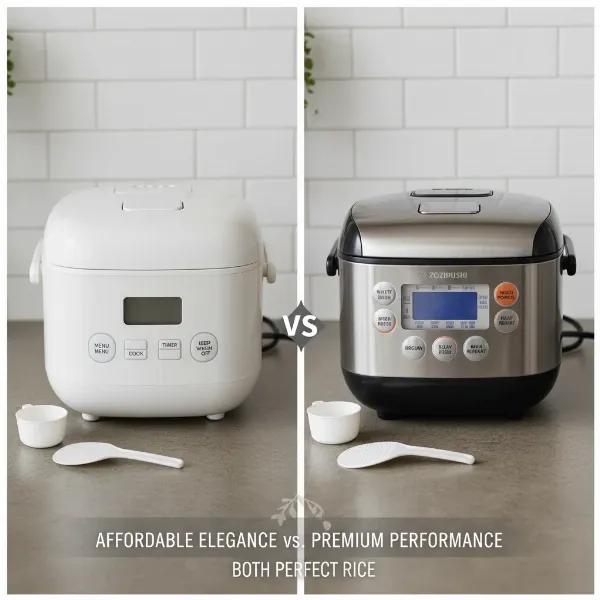
Imagine savoring a hearty, flavorful bowl of Jambalaya, bursting with savory meats, aromatic vegetables, and perfectly cooked rice, all created with minimal effort. While traditionally a stovetop affair, your trusty rice cooker is an unsung hero capable of delivering this Louisiana classic right in your kitchen. Forget constant stirring and sticky pots; with a few simple steps and the right ingredients, you can achieve a mouthwatering Jambalaya that tastes like it simmered all day, without the fuss. This guide will walk you through every detail, ensuring your rice cooker transforms into a culinary wizard, producing a dish that’s rich in flavor and incredibly convenient.
The Allure of Rice Cooker Jambalaya: Convenience Meets Flavor
Jambalaya, a quintessential Louisiana dish, is a vibrant meld of West African, French, and Spanish influences, known for its seasoned rice, assortment of meats, and the “Holy Trinity” of celery, bell peppers, and onions. Its complex flavor profile typically requires dedicated attention on the stovetop. However, the modern rice cooker offers an ingenious shortcut, simplifying the process without compromising on taste. The primary appeal of using a rice cooker for Jambalaya lies in its “set it and forget it” functionality. Once your ingredients are prepped and combined, the rice cooker maintains a consistent temperature and moisture level, ensuring perfectly cooked rice and melded flavors, significantly reducing the hands-on cooking time. This not only makes weeknight meals a breeze but also minimizes cleanup, as many multi-function rice cookers allow you to sauté directly in the pot, streamlining your culinary adventure into a single vessel.
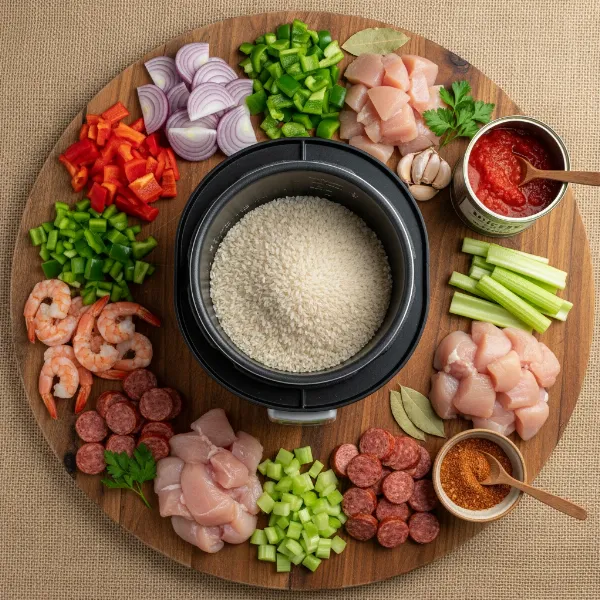 A vibrant display of fresh ingredients for rice cooker jambalaya, including sausage, chicken, shrimp, vegetables, rice, and spices, neatly arranged on a wooden board
Essential Ingredients for a Stellar Rice Cooker Jambalaya
Crafting an authentic and delicious Jambalaya starts with selecting the right ingredients. The beauty of this dish lies in its versatility, allowing for variations while retaining its core essence.
The Foundation: Choosing Your Rice
|
Our Picks for the Best Rice Cooker in 2026
As an Amazon Associate I earn from qualifying purchases.
|
||
| Num | Product | Action |
|---|---|---|
| 1 | Instant Pot 4QT RIO Mini 7-in-1 Multi-Cooker, Pressure Cooker, Slow cook, Sauté, Steam, Rice Maker, Yogurt, & Warmer, Sea Salt, 4 Quarts |

|
| 2 | AROMA Digital Rice Cooker, 4-Cup (Uncooked) / 8-Cup (Cooked), Steamer, Grain Cooker, Multicooker, 2 Qt, Stainless Steel Exterior, ARC-914SBD |
|
| 3 | COMFEE' Compact Rice Cooker, 6-in-1 Stainless Steel Multi Cooker, Slow Cooker, Steamer, Saute, and Warmer, 2 QT, 8 Cups Cooked(4 Cups Uncooked), Brown Rice, Quinoa and Oatmeal, 6 One-Touch Programs |
|
| 4 | COSORI Rice Cooker 10 Cup, 24h Keep Warm, Non-stick Ceramic Inner Pot, 18 Functions Fuzzy Logic Rice Maker with Stainless Steel Steamer Basket, Sauté, Slow Cooker, Black |
|
| 5 | AROMA® Mini Rice Cooker, 2-Cup (Uncooked) / 4-Cup (Cooked), Grain Cooker, Soup Maker, Oatmeal Cooker, Auto Keep Warm, 1 Qt, Light Green |
|
| 6 | Zojirushi Micom 3-Cup Compact Size, Multiple Settings, Stainless Steel Made, Built-In Retractable Power Cord and Easy to Transport Rice Cooker and Warmer |
|
| 7 | Aroma Housewares 4-Cups (Cooked) / 1Qt. Rice & Grain Cooker (ARC-302NGBL), Blue |
|
| 8 | AROMA® Mini Rice Cooker, 2-Cup (Uncooked) / 4-Cup (Cooked), Grain Cooker, Soup Maker, Oatmeal Cooker, Auto Keep Warm, 1 Qt, Milk Tea color |
|
| 9 | BLACK+DECKER Rice Cooker 6-Cup (Cooked) with Steaming Basket, Removable Non-Stick Bowl, White |
|
| 10 | AROMA® Select Stainless® Rice Cooker, 3-Cup (Uncooked) / 6-Cup (Cooked), Stainless Steel Inner Pot, Small Rice Cooker, Auto Keep Warm, 1.2 Qt, White, ARC-753SG |
|
The type of rice you choose is crucial for the texture of your Jambalaya. For a classic, slightly sticky, yet distinct grain, short-grain white rice or medium-grain white rice (like Calrose or conventional white rice) works best. These varieties absorb flavors beautifully and achieve the desired consistency. While not traditional, some may opt for brown rice for its nutritional benefits; however, be aware that brown rice requires a longer cooking time and typically more liquid. If using brown rice, you might need to adjust your rice cooker’s setting to its “brown rice” mode, if available, and potentially increase the broth slightly to ensure it cooks through without drying out.
The Holy Trinity and Aromatics
No Jambalaya is complete without the “Holy Trinity” – a flavorful base of diced onions, green bell peppers, and celery. These three vegetables provide the aromatic backbone of the dish. Garlic, often considered the “pope” of the trinity, adds another layer of pungent depth. Finely chopping these ingredients ensures they soften and blend seamlessly into the rice as it cooks. The fresh, crisp notes of these vegetables balance the richness of the meats and spices.
Proteins That Pack a Punch
Jambalaya is famous for its generous protein content. A combination of meats typically offers the best flavor and texture contrast:
- Smoked Sausage: Andouille sausage is the traditional choice, prized for its smoky, spicy flavor. If unavailable, any good quality smoked sausage (like kielbasa or a spicy pork sausage) will work. Slice it into half-moon pieces for even distribution.
- Chicken: Boneless, skinless chicken thighs or breasts cut into 1-inch pieces are common. For convenience, pre-cooked rotisserie chicken can be shredded and added later.
- Shrimp: Adding shrimp offers a delicate, sweet counterpoint to the richer meats. Shrimp should be peeled and deveined. To prevent overcooking, they are typically added towards the very end of the cooking cycle or during the resting phase.
Liquid Gold and Bold Seasonings
The liquid component and seasonings are what transform the rice and proteins into a symphony of Cajun flavor.
- Chicken Broth: This is the primary cooking liquid, infusing the entire dish with savory depth. Ensure you have enough broth, usually a 1:1.5 to 1:2 ratio of rice to liquid, though it can vary based on your rice cooker and desired consistency.
- Diced Tomatoes: Canned diced tomatoes (or stewed tomatoes, crushed if preferred) add acidity, moisture, and a slight sweetness. They are integral to the dish’s flavor profile.
- Creole/Cajun Seasoning: A good quality blend is essential. Look for one that includes paprika, cayenne pepper, garlic powder, onion powder, dried oregano, and thyme. Adjust the amount to your preferred spice level.
- Worcestershire Sauce: A dash can enhance the savory umami notes.
- Hot Sauce: For those who crave extra heat, a splash of your favorite Louisiana-style hot sauce is a must.
Step-by-Step Mastery: Cooking Jambalaya in Your Rice Cooker
Making Jambalaya in a rice cooker simplifies the process significantly, turning a potentially complex dish into an accessible weeknight meal. Here’s how to do it.
Preparation is Key
Before you even turn on your rice cooker, meticulous preparation of your ingredients is crucial for a smooth cooking process. Begin by chopping your “Holy Trinity” (onion, bell pepper, and celery) into uniform, small dice. Mince your garlic. Slice your smoked sausage into coin-sized pieces and cut your chicken into 1-inch cubes. If using shrimp, ensure they are peeled and deveined. Measure out your rice and rinse it thoroughly under cold water until the water runs clear; this removes excess starch, preventing your Jambalaya from becoming overly sticky or mushy. Finally, measure your chicken broth, diced tomatoes, and all your seasonings, having them ready to go. This “mise en place” approach ensures you can quickly add ingredients at the right time.
Sautéing for Depth of Flavor
While the rice cooker is known for its hands-off appeal, a crucial step for achieving profound flavor in Jambalaya is sautéing certain ingredients beforehand. This browning process develops rich, complex notes that simply boiling cannot achieve.
- Using a Separate Skillet: If your rice cooker does not have a “sauté” or “brown” function, heat a large skillet over medium-high heat with a tablespoon of oil or butter. First, brown your sliced smoked sausage until it’s slightly caramelized; this renders some fat and adds incredible depth. Remove the sausage and set it aside. In the same skillet, add your chicken pieces and cook until lightly browned on all sides, then remove and set aside. Finally, add your “Holy Trinity” and minced garlic to the skillet, sautéing them until softened and translucent, about 5-7 minutes. This step creates a flavorful fond at the bottom of the pan, which will contribute to the overall taste of your Jambalaya.
- Using a Rice Cooker with Sauté Function: For multi-function rice cookers equipped with a “sauté” or “brown” setting, you can perform these steps directly in the rice cooker pot. Add oil or butter, brown your sausage, then chicken, removing each as it’s done. Follow by sautéing the “Holy Trinity” and garlic until softened. This method offers the ultimate one-pot convenience.
Assembling Your Jambalaya
Once your aromatic base and proteins are prepared, it’s time to bring everything together in the rice cooker. Carefully add the rinsed rice to the rice cooker pot. Next, layer in your sautéed sausage, chicken, and the softened “Holy Trinity” mixture. Pour in the chicken broth, diced tomatoes (undrained), and all your Creole/Cajun seasoning, Worcestershire sauce, and any desired hot sauce.
Important Note on Liquid Ratio: While the general rule for rice is 1 cup of rice to 1.5-2 cups of liquid, the tomatoes and moisture from the vegetables will contribute to the total liquid. A good starting point is often a 1:1.5 ratio for rice to added broth, accounting for the liquid from the tomatoes. Ensure all ingredients are submerged in the liquid. Stir everything gently but thoroughly to combine, making sure the seasonings are evenly distributed and no rice is sticking to the bottom.
The Rice Cooker Does the Work
With all ingredients in the pot and well-mixed, close the lid of your rice cooker. Select the “White Rice” function, or simply press “Cook.” The rice cooker will take over from here, automatically managing the temperature and cooking time. Resist the urge to lift the lid during the cooking cycle, as this releases steam and heat, potentially affecting the cooking process and leading to unevenly cooked rice. The cooker will typically switch to a “Keep Warm” setting once the rice is done.
The Crucial Rest and Final Touches
Even after the rice cooker signals completion, the cooking process isn’t truly finished. The resting period is vital for perfect Jambalaya. Once the cooker switches to “Keep Warm,” unplug it or turn it off and let the Jambalaya rest, with the lid still on, for at least 10-15 minutes. This allows the steam to redistribute, the rice to absorb any remaining liquid, and the flavors to meld even further, resulting in a fluffier, more distinct grain.
If you are adding shrimp, this is the ideal time. Gently stir in the raw, peeled shrimp during the last 5 minutes of the resting period. The residual heat will cook them perfectly without making them rubbery. After resting, carefully open the lid and give your Jambalaya a good, thorough stir from the bottom up. This ensures all the ingredients, especially those vegetables that tend to rise to the top, are evenly distributed throughout the dish. Garnish with fresh chopped green onions or parsley for a burst of color and freshness.
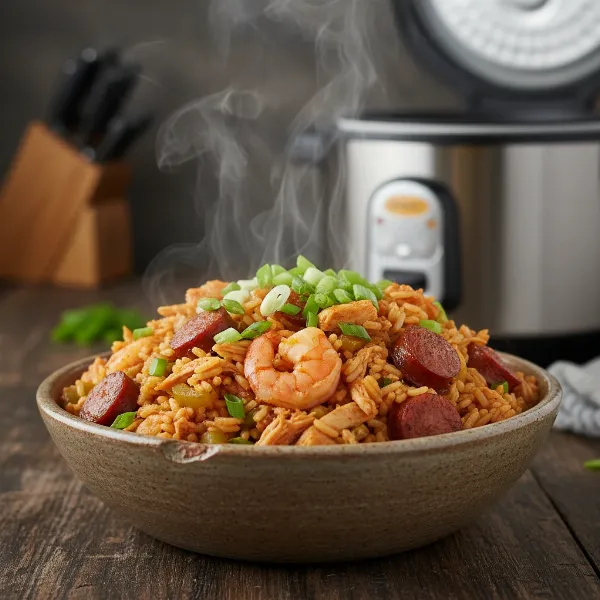 A steaming bowl of freshly made jambalaya straight from a rice cooker, garnished with green onions
Troubleshooting and Tips for Perfect Rice Cooker Jambalaya
Even with the convenience of a rice cooker, achieving Jambalaya perfection sometimes requires a few tricks up your sleeve.
Avoiding Mushy Rice
One of the most common pitfalls with Jambalaya is mushy rice. This often occurs due to too much liquid or over-stirring during the cooking process. To prevent this:
- Precise Liquid Measurement: Always adhere closely to the liquid ratio, remembering that tomatoes and other vegetables contribute moisture. A common mistake is adding the standard rice cooker liquid amount in addition to liquids from ingredients like canned tomatoes.
- Rinse Your Rice: As mentioned, rinsing rice removes excess surface starch that can contribute to stickiness.
- Hands-Off Cooking: Once the rice cooker lid is on and cooking has begun, resist the urge to open it. Steam and heat loss can disrupt the cooking process, leading to unevenly cooked or mushy grains.
- The Power of the Rest: The resting period after cooking is crucial. It allows the rice to finish absorbing moisture evenly, resulting in a better texture.
Preventing Sticking
No one wants their delicious Jambalaya stuck to the bottom of the pot. Here are some ways to prevent this:
- Non-Stick Pot: Most modern rice cookers come with a non-stick inner pot, which is your first line of defense.
- Light Oil Coating: Before adding any ingredients, you can lightly grease the bottom and sides of the rice cooker pot with a little cooking oil or butter.
- Thorough Stirring Before Cooking: Ensure all ingredients, especially the rice, are well-mixed and submerged in the liquid before starting the cooking cycle. This helps to distribute heat and moisture evenly.
- The Resting Period: As with mushy rice, the resting phase after cooking can help loosen any rice that might be clinging to the bottom, making it easier to stir and serve without sticking. As Lan, Admin of ricecookerhot.com, often advises, “The ‘Keep Warm’ cycle isn’t just for keeping food hot; it’s a silent chef, perfecting texture and flavor. Giving your Jambalaya that extra 10-15 minutes of rest can transform it from good to truly exceptional.”
Flavor Adjustments and Variations
Jambalaya is a highly adaptable dish, allowing for personalization:
- Spice Level: Adjust the amount of Creole/Cajun seasoning and cayenne pepper to your preference. For a milder version, reduce cayenne; for more heat, add an extra dash or a few drops of hot sauce at the end.
- Additional Vegetables: Feel free to incorporate other vegetables like corn kernels, peas, or diced carrots. Add them with the “Holy Trinity” during the sautéing stage or directly to the rice cooker for a heartier meal.
- Other Proteins: While sausage, chicken, and shrimp are classic, you can experiment with other proteins. Cubed pork or even ground pork/beef can be browned and added. For vegetarian options, use vegetable broth and add kidney beans, chickpeas, or plant-based sausages.
- Garnish: Fresh parsley or chopped green onions are not just for aesthetics; they add a fresh, bright finish that complements the rich flavors of the Jambalaya.
Beyond the Basics: Understanding Your Rice Cooker’s Role
While often seen as a simple appliance, your rice cooker plays a critical role in the success of your Jambalaya. Basic models, with just an on/off switch, excel at cooking rice and will still produce a fantastic Jambalaya, especially if you handle the initial sautéing in a separate skillet. These models rely on a simple heat-to-steam conversion, which is perfect for absorbing liquids into the rice and other ingredients.
More advanced multi-function rice cookers often come equipped with specific settings like “white rice,” “brown rice,” “porridge,” and even a “sauté” or “brown” function. The “sauté” feature is particularly useful for Jambalaya, as it allows you to brown your meats and soften your vegetables directly in the cooker’s pot, consolidating the cooking process into a single appliance and minimizing cleanup. This functionality elevates the convenience factor even further, making the rice cooker an indispensable tool for dishes like Jambalaya that benefit from initial browning. Regardless of the type, the non-stick quality of the inner pot is a significant advantage, ensuring that your flavorful Jambalaya lifts cleanly and easily, simplifying both serving and washing up.
Conclusion
Creating a delicious, authentic Jambalaya in your rice cooker proves that convenience doesn’t have to sacrifice flavor. By understanding the core ingredients, following the step-by-step process, and applying a few expert tips, you can transform simple components into a rich, aromatic, and satisfying one-pot meal that tastes like it came straight from the heart of Louisiana. The hands-off nature of rice cooker cooking frees you to focus on other tasks, making this iconic dish perfect for busy weeknights or relaxed weekends. So, why not unlock the full potential of your rice cooker and let it bring the vibrant tastes of Cajun country to your dinner table tonight? What new culinary adventure will your rice cooker inspire next?
Frequently Asked Questions
Can I use brown rice for Jambalaya in a rice cooker?
Yes, you can use brown rice, but you’ll need to adjust the cooking time and liquid amount. Brown rice typically requires more liquid and a longer cooking cycle. If your rice cooker has a “brown rice” setting, use it. Otherwise, you might need to add a bit more broth and allow for a longer resting period to ensure it’s fully cooked and tender.
How do I prevent my Jambalaya from being too mushy?
To prevent mushy Jambalaya, accurately measure your liquids, considering the moisture from diced tomatoes and vegetables. Rinse your rice thoroughly before cooking to remove excess starch. Most importantly, avoid lifting the rice cooker lid during the cooking cycle and ensure a proper 10-15 minute resting period after it switches to “Keep Warm.”
What if my rice cooker doesn’t have a sauté function?
No problem at all! If your rice cooker lacks a sauté function, simply perform the browning of meats and softening of the “Holy Trinity” and garlic in a separate large skillet on your stovetop. Once these ingredients are prepared, transfer them to the rice cooker pot with the rice and liquids, then proceed with the regular cooking cycle.
When should I add shrimp to rice cooker jambalaya?
For perfectly cooked shrimp that are tender and not rubbery, add them towards the very end of the cooking process. A common method is to stir in the raw, peeled, and deveined shrimp during the last 5 minutes of the rice cooker’s “Keep Warm” cycle or during the 10-15 minute resting period after cooking. The residual heat will cook them through gently.