Few kitchen frustrations compare to lifting the lid of your rice cooker, anticipating a bowl of perfectly fluffy grains, only to find a sticky, mushy mess. While rice cookers are designed to simplify meal prep, even these convenient appliances aren’t entirely foolproof. Achieving consistently ideal rice requires understanding a few key principles and avoiding common pitfalls. If your rice often comes out overly soft or gummy, don’t despair—this comprehensive guide will uncover the root causes and provide actionable solutions to transform your cooking experience and ensure every grain is distinct and tender.
The Science Behind Mushy Rice: What Goes Wrong?
At its core, rice becomes mushy when it absorbs too much water. Rice grains are primarily composed of starch. As they cook, these starches absorb liquid, swell, and soften. When the balance of water and heat is incorrect, the starches can over-gelatinize, causing the grains to break down, lose their individual structure, and clump together into a pasty, unappetizing consistency. This over-absorption can stem from various factors, from simple measurement errors to overlooked preparation steps, all leading to an undesirable texture.
Common Culprits: Why Your Rice Cooker Rice is Mushy
Understanding why your rice turns out mushy is the first step toward achieving fluffy perfection. Several factors frequently contribute to this common culinary mishap.
Too Much Water: The Leading Cause
|
Our Picks for the Best Rice Cooker in 2026
As an Amazon Associate I earn from qualifying purchases.
|
||
| Num | Product | Action |
|---|---|---|
| 1 | BLACK+DECKER Rice Cooker 6-Cup (Cooked) with Steaming Basket, Removable Non-Stick Bowl, White |

|
| 2 | Zojirushi Micom 3-Cup Compact Size, Multiple Settings, Stainless Steel Made, Built-In Retractable Power Cord and Easy to Transport Rice Cooker and Warmer |
|
| 3 | COMFEE' Compact Rice Cooker, 6-in-1 Stainless Steel Multi Cooker, Slow Cooker, Steamer, Saute, and Warmer, 2 QT, 8 Cups Cooked(4 Cups Uncooked), Brown Rice, Quinoa and Oatmeal, 6 One-Touch Programs |
|
| 4 | AROMA® Mini Rice Cooker, 2-Cup (Uncooked) / 4-Cup (Cooked), Grain Cooker, Soup Maker, Oatmeal Cooker, Auto Keep Warm, 1 Qt, Light Green |
|
| 5 | AROMA® Select Stainless® Rice Cooker, 3-Cup (Uncooked) / 6-Cup (Cooked), Stainless Steel Inner Pot, Small Rice Cooker, Auto Keep Warm, 1.2 Qt, White, ARC-753SG |
|
| 6 | Instant Pot 4QT RIO Mini 7-in-1 Multi-Cooker, Pressure Cooker, Slow cook, Sauté, Steam, Rice Maker, Yogurt, & Warmer, Sea Salt, 4 Quarts |
|
| 7 | Aroma Housewares 4-Cups (Cooked) / 1Qt. Rice & Grain Cooker (ARC-302NGBL), Blue |
|
| 8 | AROMA Digital Rice Cooker, 4-Cup (Uncooked) / 8-Cup (Cooked), Steamer, Grain Cooker, Multicooker, 2 Qt, Stainless Steel Exterior, ARC-914SBD |
|
| 9 | AROMA® Mini Rice Cooker, 2-Cup (Uncooked) / 4-Cup (Cooked), Grain Cooker, Soup Maker, Oatmeal Cooker, Auto Keep Warm, 1 Qt, Milk Tea color |
|
| 10 | COSORI Rice Cooker 10 Cup, 24h Keep Warm, Non-stick Ceramic Inner Pot, 18 Functions Fuzzy Logic Rice Maker with Stainless Steel Steamer Basket, Sauté, Slow Cooker, Black |
|
The most common reason for mushy rice is an incorrect water-to-rice ratio. While it might seem intuitive that more water yields softer rice, excess liquid causes the grains to become oversaturated and break apart during the cooking process. Each type of rice has a specific water absorption rate, and deviating from the recommended ratio can quickly lead to a sticky, gummy texture. Often, people either eyeball the water level or use a generic ratio that doesn’t suit their specific rice type or cooker.
Insufficient Rinsing: The Starch Factor
Raw rice grains have a fine layer of surface starch from the milling process. If this excess starch isn’t removed before cooking, it dissolves into the cooking water, turning it milky. As the rice cooks and the water evaporates, this starch acts like a glue, binding the grains together and contributing to a mushy, sticky consistency. Rinsing is a simple yet crucial step to ensure each grain cooks separately and achieves a light, fluffy texture.
Opening the Lid Too Soon: Releasing Precious Steam
The rice cooker works by creating a sealed, steamy environment that allows the rice to cook evenly. Opening the lid during the cooking cycle, especially during the crucial steaming phase, releases this accumulated steam and heat. This disruption can cause the rice to cook unevenly, leaving some grains undercooked and others overly soft as the internal temperature fluctuates and the moisture balance is disturbed. Patience is key to letting the rice cooker do its job.
Not Letting Rice Rest: A Crucial Final Step
Once your rice cooker signals that cooking is complete, it’s tempting to serve the rice immediately. However, skipping the resting period is a common mistake that can result in unevenly textured rice, with some parts being too wet and others dry. Resting allows the residual steam and heat to continue circulating, ensuring that any remaining moisture is evenly absorbed by the grains. This crucial step helps the rice firm up slightly and develop that desirable fluffy texture.
Overcooking or Prolonged “Keep Warm” Setting
While rice cookers are designed to prevent overcooking, leaving rice on the “keep warm” setting for extended periods can still impact its quality. Prolonged exposure to heat, even at a lower temperature, can gradually continue to cook the rice, making it drier or, paradoxically, breaking down the grains further into a mushier state if there’s still too much moisture. It can also dry out the rice around the edges.
Using the Wrong Rice Type Setting or Quick-Cook Rice
Modern rice cookers often come with specific settings for different rice types (e.g., white rice, brown rice, sushi rice). Using the incorrect setting can lead to suboptimal results, as each program adjusts cooking time and temperature for ideal absorption. Furthermore, quick-cook (or instant) rice varieties are pre-cooked and dehydrated; they are not designed for rice cookers and will almost certainly turn mushy if cooked in one, as they require much less cooking time and often a different preparation method.
Your Toolkit for Perfect Rice: Preventing Mushy Outcomes
Achieving perfectly fluffy rice in your rice cooker is a repeatable process when you follow a few simple, yet vital, steps. By implementing these practices, you can consistently avoid mushy results.
Mastering the Water-to-Rice Ratio for Different Grains
Precision in your water-to-rice ratio is paramount. The cup provided with your rice cooker is often 180ml (a “rice cup”) rather than a standard 240ml (US cup), so always use the included cup for both rice and water, or consult your cooker’s manual.
Here’s a general guide for common rice types:
| Rice Type | Water-to-Rice Ratio (by volume) | Notes |
|---|---|---|
| White Long-Grain (e.g., Jasmine, Basmati) | 1:1.25 to 1:1.5 | For fluffier, less sticky. Some prefer 1:1 for firm rice. |
| White Medium/Short-Grain | 1:1 to 1:1.25 | Tends to be slightly stickier by nature. |
| Brown Rice | 1:2 to 1:2.5 | Requires more water and longer cooking due to bran layer. |
| Wild Rice | 1:3 | Check specific package instructions. |
Adjust these ratios slightly based on your personal preference for texture and your specific rice cooker’s performance. Newer, “aged” rice might require a touch more water than fresh rice.
The Art of Rinsing Rice: Achieving Clarity
Rinsing is crucial for removing excess starches that lead to mushy, sticky rice. Place your measured rice in a fine-mesh sieve or a bowl and rinse under cold, running water. Gently agitate the rice with your hand until the water that drains off is mostly clear, not milky white. This usually takes 2-3 rinses. However, avoid over-rinsing until the water is completely clear, as this can sometimes cause the grains to absorb too much water prematurely and become brittle. After rinsing, ensure you drain the rice thoroughly, shaking off any excess water before adding it to the cooker.
The Golden Rule: Hands-Off Cooking
Once you’ve added the rinsed rice and the correct amount of water to your rice cooker and pressed “start,” resist the urge to peek! Opening the lid allows steam to escape, disrupting the internal pressure and temperature essential for even cooking. This interruption can lead to undercooked spots and, ironically, mushier areas as you try to compensate. Similarly, avoid stirring the rice while it cooks; stirring releases starches and can break the delicate grains, resulting in a gummy texture. Trust your appliance to do its job.
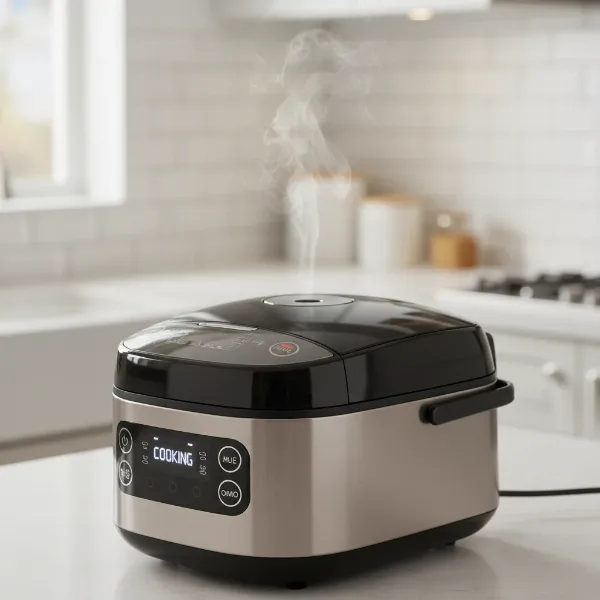 A rice cooker with its lid securely closed, steam gently escaping from the vent, signifying the rice is cooking undisturbed.
The Power of Resting: Unlocking Fluffiness
After the rice cooker switches to “warm” or indicates that cooking is complete, do not immediately open the lid. Allow the rice to rest, undisturbed, for at least 10-15 minutes. This resting period allows the remaining steam and heat to fully and evenly rehydrate the rice grains, firming them up and distributing moisture throughout the pot. It makes a significant difference in achieving a light, fluffy texture where each grain is distinct.
Optimizing “Keep Warm” Functions
The “keep warm” function is convenient for keeping rice warm until serving, but it should be used in moderation. Leaving rice on “keep warm” for too long (e.g., more than a couple of hours) can cause it to dry out, lose its delicate flavor, and potentially develop a crust at the bottom. If you don’t plan to eat the rice within a short time, it’s better to turn off the cooker, let it rest, then transfer the rice to an airtight container and refrigerate it.
Choosing the Right Utensils: Fluff, Don’t Crush
When it’s time to serve, use the plastic paddle typically provided with your rice cooker, or a wooden or silicone spatula. Avoid metal spoons or forks, as these can scratch the non-stick coating of your inner pot and, more importantly, crush the delicate cooked rice grains, leading to a mushy texture. Gently fluff the rice from the bottom up, separating the grains without mashing them.
What to Do with Mushy Rice: Salvage & Repurpose
Even with the best intentions, sometimes rice still turns out mushy. The good news is that overcooked, mushy rice is rarely unsalvageable and can often be repurposed into delicious dishes.
If your rice is only slightly mushy, try spreading it thinly on a baking sheet to cool and dry out a bit. Then, gently fluff it with a fork. This can sometimes help evaporate excess moisture.
For rice that’s beyond a simple fix, embrace its soft texture in other culinary creations:
- Congee or Porridge: The perfect use for mushy rice! Add more broth or water, some seasonings, and your favorite protein and vegetables to create a comforting meal.
- Fried Rice: While fluffy rice is ideal for fried rice, slightly mushy rice can still work. Just ensure it’s cooled completely (preferably refrigerated overnight) and use higher heat when frying to help some of the moisture evaporate.
- Rice Pudding: A sweet treat that benefits from a softer texture. Cook it further with milk, sugar, and spices for a delightful dessert.
- Rice Croquettes or Patties: Combine the mushy rice with eggs, cheese, herbs, and breadcrumbs, then form into patties and fry or bake for a crispy exterior.
- Thickener for Soups and Stews: Blend some mushy rice into soups or stews to add body and a creamy texture.
- Meatballs or Meatloaf Binder: Use it as a binder in place of breadcrumbs for a gluten-free alternative.
Expert Tips from the Kitchen
Beyond the fundamental techniques, these extra insights can elevate your rice cooking game:
> “The secret to consistently fluffy rice often lies in the quality of your measurements and your understanding of your specific rice cooker. Each appliance and even each batch of rice can be a little different, so don’t be afraid to make minor adjustments to your water ratio after the first cook.” – Lan, Admin of ricecookerhot.com
- Consider Soaking (Optional): Some culinary traditions recommend soaking rice (especially brown rice or older white rice) for 20-30 minutes before cooking. This helps the grains absorb water more evenly, potentially leading to a more consistent and fluffier texture. Remember to adjust your water ratio down slightly if you pre-soak.
- Add a Pinch of Salt and Oil: A small amount of salt enhances the flavor of your rice, while a teaspoon of neutral oil or a pat of butter added to the cooking water can help keep the grains separate and prevent sticking.
- Know Your Cooker: The markings inside your rice cooker are calibrated for that specific appliance and often for the measuring cup it came with. If you use a standard household measuring cup, you might need to find your own perfect ratio. Pay attention to how your cooker performs and adjust accordingly.
Conclusion
The quest for perfectly fluffy rice in a rice cooker is a journey of understanding, precision, and a little patience. While encountering mushy rice can be disheartening, it’s a common hurdle easily overcome with the right knowledge. By meticulously measuring your water, thoroughly rinsing your grains, respecting the cooking process by keeping the lid closed, and allowing your rice to rest, you can transform your everyday rice into a culinary delight. Don’t be discouraged by past experiences; embrace these troubleshooting tips and expert advice, and soon you’ll be serving up distinct, tender grains every single time. What small adjustment will you make today to achieve your perfect bowl of rice?
Frequently Asked Questions
Is it possible to fix mushy rice once it’s cooked?
While you can’t restore mushy rice to a perfectly fluffy state, you can definitely salvage it. Spreading it out to cool can help evaporate some moisture. More effectively, repurpose it into dishes like congee, fried rice (once cooled), rice pudding, or even as a thickener for soups and stews.
What is the ideal water-to-rice ratio for jasmine rice in a rice cooker?
For jasmine rice in a rice cooker, a common starting point is 1 cup of jasmine rice to 1.25 to 1.5 cups of water. Many also find success with a 1:1 ratio if the rice is thoroughly rinsed and rested. Experiment slightly to find the perfect texture for your preference and cooker.
Should I rinse brown rice before cooking in a rice cooker?
Yes, it is generally recommended to rinse brown rice. While it has less surface starch than white rice, rinsing helps remove any dust or debris and ensures cleaner, more evenly cooked grains. Rinse it under cold water until the water runs mostly clear.
How long should I let rice rest after cooking?
After your rice cooker finishes its cycle, allow the rice to rest with the lid on, off the heat, for at least 10 to 15 minutes. This crucial resting period ensures even moisture distribution and helps the grains firm up, resulting in a significantly fluffier texture.
Can I use a regular measuring cup for my rice cooker?
It is best to use the specific measuring cup that came with your rice cooker. These cups are often 180ml (a “rice cup”), which is smaller than a standard 240ml (US cup). Using a regular cup will throw off the water-to-rice ratios indicated by your cooker’s internal markings or manual, leading to inaccurate results.