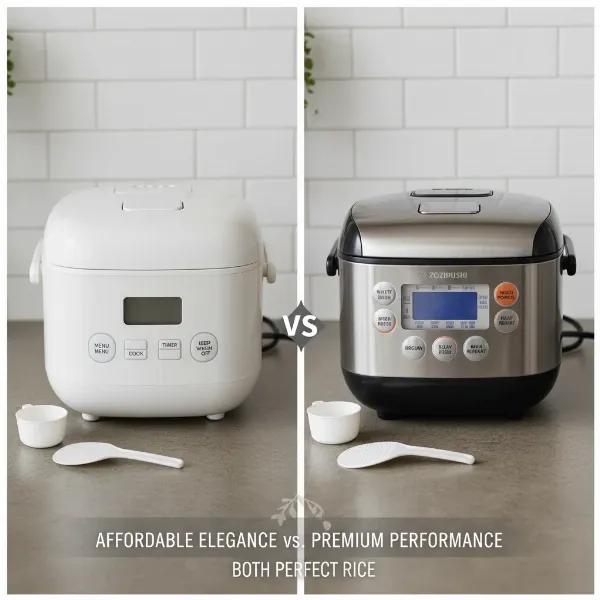
Forget the stovetop or oven — your rice cooker isn’t just for perfect grains. It’s a secret weapon for crafting a delicious, fluffy frittata with minimal effort and maximum convenience. Imagine waking up to a warm, protein-packed breakfast that practically makes itself, or whipping up a speedy, healthy dinner on a busy weeknight. This guide will walk you through everything you need to know, from selecting your ingredients to perfecting the cooking process, ensuring a consistently delightful rice cooker frittata every time. Get ready to transform your breakfast routine and discover the surprising versatility of your favorite kitchen appliance.
Understanding the Rice Cooker Frittata
A frittata is an Italian egg dish, similar to an omelet or quiche, but typically thicker and designed to be sliced like a pie. Unlike an omelet, which is folded, a frittata usually cooks slowly with ingredients mixed in, allowing for a firmer texture. Traditionally, frittatas are started on the stovetop and finished in the oven, or cooked entirely in a cast-iron skillet. However, the consistent, gentle heat of a rice cooker offers an incredibly hands-off alternative.
Using a rice cooker simplifies the process significantly. It eliminates the need for constant monitoring, temperature adjustments, or flipping, making it an ideal method for anyone seeking a low-fuss, high-reward meal. The “cook” function in most rice cookers provides a sealed, stable environment that perfectly sets the eggs and cooks your chosen fillings evenly, without the risk of burning the bottom or leaving the center runny. It’s a game-changer for quick breakfasts, brunches, or even light dinners, proving that your rice cooker is much more than a single-purpose appliance.
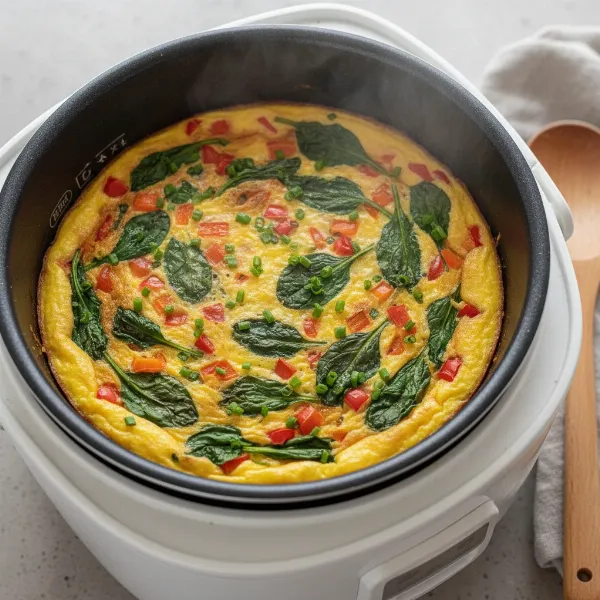 fluffy egg frittata with vegetables cooking inside a white rice cooker pot
Essential Ingredients for Your Rice Cooker Frittata
Crafting the perfect rice cooker frittata begins with a careful selection of fresh ingredients, offering endless possibilities for customization based on your taste and what you have on hand.
The Egg Base
|
Our Picks for the Best Rice Cooker in 2026
As an Amazon Associate I earn from qualifying purchases.
|
||
| Num | Product | Action |
|---|---|---|
| 1 | Aroma Housewares 4-Cups (Cooked) / 1Qt. Rice & Grain Cooker (ARC-302NGBL), Blue |

|
| 2 | BLACK+DECKER Rice Cooker 6-Cup (Cooked) with Steaming Basket, Removable Non-Stick Bowl, White |
|
| 3 | COSORI Rice Cooker 10 Cup, 24h Keep Warm, Non-stick Ceramic Inner Pot, 18 Functions Fuzzy Logic Rice Maker with Stainless Steel Steamer Basket, Sauté, Slow Cooker, Black |
|
| 4 | Zojirushi Micom 3-Cup Compact Size, Multiple Settings, Stainless Steel Made, Built-In Retractable Power Cord and Easy to Transport Rice Cooker and Warmer |
|
| 5 | AROMA® Mini Rice Cooker, 2-Cup (Uncooked) / 4-Cup (Cooked), Grain Cooker, Soup Maker, Oatmeal Cooker, Auto Keep Warm, 1 Qt, Milk Tea color |
|
| 6 | AROMA® Mini Rice Cooker, 2-Cup (Uncooked) / 4-Cup (Cooked), Grain Cooker, Soup Maker, Oatmeal Cooker, Auto Keep Warm, 1 Qt, Light Green |
|
| 7 | AROMA Digital Rice Cooker, 4-Cup (Uncooked) / 8-Cup (Cooked), Steamer, Grain Cooker, Multicooker, 2 Qt, Stainless Steel Exterior, ARC-914SBD |
|
| 8 | AROMA® Select Stainless® Rice Cooker, 3-Cup (Uncooked) / 6-Cup (Cooked), Stainless Steel Inner Pot, Small Rice Cooker, Auto Keep Warm, 1.2 Qt, White, ARC-753SG |
|
| 9 | Instant Pot 4QT RIO Mini 7-in-1 Multi-Cooker, Pressure Cooker, Slow cook, Sauté, Steam, Rice Maker, Yogurt, & Warmer, Sea Salt, 4 Quarts |
|
| 10 | COMFEE' Compact Rice Cooker, 6-in-1 Stainless Steel Multi Cooker, Slow Cooker, Steamer, Saute, and Warmer, 2 QT, 8 Cups Cooked(4 Cups Uncooked), Brown Rice, Quinoa and Oatmeal, 6 One-Touch Programs |
|
Eggs are the undisputed foundation of any frittata. For a standard 2-4 serving frittata in most rice cookers, you’ll typically need 3 to 6 large eggs. Whisk them thoroughly in a medium bowl until the yolks and whites are completely combined and slightly frothy. This ensures a uniform texture throughout your frittata. Don’t forget a generous pinch of salt and freshly ground black pepper at this stage to season the base flavor.
Versatile Vegetables
This is where your frittata truly comes alive. Almost any vegetable can find a home in a rice cooker frittata, offering a healthy and colorful boost.
- Soft Vegetables: Spinach (fresh or thawed and squeezed dry), mushrooms (sliced), cherry tomatoes (halved), and green onions (chopped) can be added directly to the egg mixture without pre-cooking.
- Harder Vegetables: Onions (diced), bell peppers (diced), and finely diced potatoes might benefit from a quick sauté in a separate pan before being added to the egg mixture. This softens them and enhances their flavor, preventing them from being undercooked in the frittata. You can also use frozen seasoning blends for convenience.
Aim for about 1 to 1.5 cups of chopped vegetables for a frittata made with 3-4 eggs, adjusting based on your preference and the size of your rice cooker.
Cheesy Goodness
Cheese adds a delicious richness and binds the frittata together. Approximately 1/4 to 1/2 cup of grated cheese works well for most recipes. Popular choices include:
- Asiago
- Parmesan
- Cheddar
- Mozzarella
- Feta
You can mix the cheese directly into the egg and vegetable mixture, or sprinkle a portion evenly over the top just before cooking for a delightful golden crust. Some even recommend doing both for maximum cheesy flavor.
Flavor Boosters & Add-ins
To elevate your frittata, consider these additions:
- Herbs and Spices: Beyond salt and pepper, try oregano, thyme, garlic powder, or a dash of your favorite dried herb blend.
- Meat: Cooked and chopped ham, bacon bits, sausage, or shredded chicken can turn your frittata into a heartier meal. Ensure any raw meat is fully cooked before adding it to the egg mixture.
- Dairy (Optional): A tablespoon or two of milk, cream, or even mayonnaise can be whisked into the eggs for a creamier, richer texture.
Step-by-Step Guide to Making a Rice Cooker Frittata
Making a frittata in your rice cooker is incredibly straightforward, involving just a few simple steps. The beauty lies in its hands-off nature, freeing you up while your meal cooks.
Prepare Your Rice Cooker
Before adding any ingredients, it’s crucial to prepare the inner pot of your rice cooker. Eggs have a tendency to stick, so adequately greasing the pot is essential for easy removal. Spray the entire inside surface of the inner pot with a non-stick cooking spray, or lightly coat it with a small amount of olive oil, spreading it evenly with a paper towel. This ensures your frittata slides out smoothly once cooked.
Mix Your Frittata Ingredients
In a separate medium-sized bowl, begin by whisking your eggs vigorously until they are well combined and slightly frothy. Season them generously with salt and pepper to taste, along with any other dried herbs or spices you prefer, such as oregano or thyme. Next, fold in your chopped vegetables, grated cheese, and any pre-cooked meats or other additions. Ensure all ingredients are evenly distributed throughout the egg mixture. If you’ve decided to pre-sauté harder vegetables like onions or potatoes, add them to the egg mixture now.
The Cooking Process
Carefully pour the combined frittata mixture into the greased inner pot of your rice cooker. If you saved some cheese for the top, sprinkle it evenly over the mixture at this point. Close the lid securely. Now, press the “cook” button. Depending on your rice cooker model, this might be labeled as “White Rice,” “Regular,” or simply “Cook.”
The cooking time will typically range from 12 to 20 minutes, though some recipes with more ingredients or larger capacities might take up to 30-40 minutes. The frittata is done when the eggs are fully set and firm, with no visible liquid wobble in the center. The top might not brown, which is normal for rice cooker cooking. Most rice cookers will switch to a “warm” setting automatically when the cooking cycle is complete. Be mindful not to leave it on the “warm” setting for too long after it’s done, as this can lead to overcooked, rubbery eggs.
 plate of savory cooked egg frittata wedges with vegetables
Serving and Storage Tips
Once your rice cooker frittata is perfectly cooked, open the lid and let it cool for a few minutes. This makes it easier to handle and prevents it from falling apart. Carefully use a plastic or silicone spatula to loosen the edges of the frittata from the pot. Then, gently slide the entire frittata onto a plate or cutting board. Avoid using metal utensils in the rice cooker pot to protect its non-stick coating. Slice the frittata into wedges or squares and serve immediately. It pairs wonderfully with a side of fresh fruit, toast, or a simple green salad.
Leftover frittata can be stored in an airtight container in the refrigerator for 2-3 days. Reheat individual slices in the microwave or a toaster oven for a quick and easy meal on the go. This makes the rice cooker frittata an excellent option for meal prepping healthy breakfasts or lunches throughout the week.
Troubleshooting Common Rice Cooker Frittata Issues
Even with a seemingly simple method like a rice cooker frittata, you might encounter a few common challenges. Knowing how to address them can save your meal and ensure consistent success.
Overcooked/Rubbery Eggs
The most frequent complaint about cooked eggs is a rubbery texture, which usually stems from overcooking. While rice cookers offer consistent heat, leaving the frittata on the “warm” setting for too long after it’s done can continue to cook the eggs, leading to this undesirable result. To avoid this, remove the frittata from the rice cooker as soon as the main cooking cycle finishes and the eggs are set. If your rice cooker doesn’t have a specific “frittata” setting, monitor it closely and unplug it or switch off the “warm” function once the eggs are firm.
Undercooked Center
An undercooked center means the frittata hasn’t had enough time or consistent heat to fully set. This can happen if you:
- Added too many cold ingredients: Cold ingredients can lower the overall temperature of the mixture, requiring a longer cooking time.
- Used too much liquid: Adding too much milk or cream can increase the cooking time needed.
- Used a very large rice cooker for a small amount of batter: The heat distribution might be less efficient.
If your frittata consistently has a runny center, try adding a few extra minutes to the cooking time or consider pre-sautéing all vegetables until they are at least warm before mixing them with the eggs. Also, ensure your rice cooker is on a “cook” or “white rice” setting, not just “warm,” to provide sufficient heat.
Sticking to the Pot
Despite using non-stick coating, eggs can sometimes adhere stubbornly to the bottom or sides of the rice cooker pot. This issue usually indicates insufficient greasing. Always ensure you thoroughly spray or oil the entire inner surface of the pot, including the bottom and up the sides. For added security, some users even line the bottom with a small piece of parchment paper cut to fit, though a well-greased pot is often enough. If it does stick, let the frittata cool slightly in the pot; sometimes, as it cools, it naturally pulls away from the sides. Use a gentle, plastic spatula to carefully loosen it.
Elevate Your Rice Cooker Frittata: Expert Tips
Moving beyond the basics, these expert tips will help you create a truly standout rice cooker frittata, showcasing your culinary flair with this surprisingly versatile appliance.
Pre-cooking Certain Vegetables
While many soft vegetables can go directly into your frittata mixture, harder or aromatic ingredients benefit significantly from pre-cooking. Sautéing diced onions, bell peppers, garlic, or small potato cubes in a separate pan before adding them to the eggs will:
- Intensify Flavor: Caramelization brings out their natural sweetness.
- Ensure Proper Texture: Prevents crunchy or undercooked vegetables in the finished frittata.
- Reduce Moisture: Cooking off excess water can help the frittata set more effectively.
This extra step, though seemingly minor, can make a noticeable difference in the overall quality and taste of your frittata.
Experimenting with Flavor Combinations
The rice cooker frittata is a canvas for your creativity. Don’t be afraid to experiment with different flavor profiles:
- Mediterranean: Feta cheese, sun-dried tomatoes, spinach, and olives.
- Mexican: Black beans (pre-cooked), corn, bell peppers, a pinch of chili powder, and Monterey Jack cheese. Serve with salsa and avocado.
- Asian-Inspired: A dash of soy sauce in the eggs, mushrooms, green onions, and cooked edamame.
- Hearty Brunch: Cooked sausage, sautéed mushrooms, and cheddar cheese.
The possibilities are endless, allowing you to use up leftovers or simply get creative with what’s in your pantry and fridge.
Not Leaving It on “Warm” for Too Long
As mentioned in troubleshooting, the “warm” function on your rice cooker is designed to keep cooked rice at an optimal temperature, not to continue cooking eggs. While it’s fine for a few minutes of resting time, extended periods on “warm” will overcook your frittata, resulting in a dry, rubbery texture. Once the “cook” cycle is complete and the frittata is set, it’s best to remove it promptly. If you’re not serving it immediately, transfer it to a plate and cover it loosely, or refrigerate it once it cools down.
Rice Cooker Frittata vs. Traditional Methods
While the rice cooker offers undeniable convenience, it’s helpful to understand how its frittata compares to those made using traditional stovetop and oven methods. Each approach has its unique advantages and considerations.
Stovetop Frittata:
- Pros: Quick cooking, often results in a crispy, golden-brown crust on the bottom. Allows for more precise control over the browning.
- Cons: Requires constant attention to prevent burning, less hands-off, typically needs an oven-safe skillet to finish cooking through if it’s thick.
- Texture: Can be slightly firmer on the bottom, with a lighter, fluffier top.
Oven-Baked Frittata (or stovetop-to-oven):
- Pros: Ideal for larger frittatas, cooks very evenly, often results in a beautifully puffed-up and golden-brown top.
- Cons: Longer cooking time, requires preheating the oven, heats up the kitchen.
- Texture: Uniformly cooked throughout, often very fluffy and moist.
Rice Cooker Frittata:
- Pros: Exceptionally hands-off, no monitoring required, consistent gentle heat prevents burning, keeps the kitchen cool, perfect for busy schedules, and surprisingly versatile for a “single-purpose” appliance.
- Cons: Lacks the browned top or crispy bottom of traditional methods, typically yields a softer, more uniformly steamed texture. The size is limited by the rice cooker pot.
- Texture: Soft, moist, and custard-like throughout.
Ultimately, the best method depends on your priorities. If ease, convenience, and a hands-off approach are paramount, the rice cooker frittata is an unbeatable option. While it might not have the classic browned crust, its tender, moist interior and sheer simplicity make it a beloved choice for quick, healthy meals.
“The rice cooker democratizes cooking for everyone, making complex dishes approachable and everyday meals effortless. A frittata is a prime example of its underutilized potential.” – Lan, Admin of ricecookerhot.com
Conclusion
The rice cooker frittata stands out as a remarkably simple yet satisfying dish, perfectly blending convenience with delicious results. From its humble egg base to the endless possibilities of vibrant vegetables and savory cheeses, this meal offers a nutritious and versatile option for any time of day. By following straightforward steps—greasing your pot, mixing your ingredients, and pressing a button—you can create a fluffy, flavorful frittata with minimal fuss.
Embrace your rice cooker as more than just a rice maker; it’s a culinary companion ready to simplify your cooking and expand your repertoire. So, why not give this ingenious method a try? You might just discover your new favorite way to enjoy a wholesome, easy-to-prepare meal. What delightful ingredient combination will you try in your next rice cooker frittata?
Frequently Asked Questions
What kind of rice cooker works best for a frittata?
Most standard electric rice cookers with a simple “cook” function will work well. Models with “White Rice” or “Regular” settings are ideal as they provide the consistent heat needed to cook the eggs thoroughly. Advanced models with more specific settings can also be used, but the basic “cook” cycle is usually sufficient.
Can I use any type of vegetables in my rice cooker frittata?
Absolutely! The beauty of a frittata is its versatility. Most vegetables can be used, but harder ones like potatoes, onions, or bell peppers might benefit from a quick pre-sauté to ensure they cook through and soften properly within the frittata. Softer vegetables like spinach, mushrooms, or cherry tomatoes can be added raw.
How do I know when my rice cooker frittata is done cooking?
Your frittata is ready when the eggs are fully set and firm throughout, with no liquid or wobbly center. Since rice cookers don’t typically brown the top, you’ll need to visually inspect the center. Most rice cookers will automatically switch to a “warm” setting once the main cooking cycle is complete, signaling it’s time to check.
Can I add meat to my rice cooker frittata?
Yes, you can! Cooked meats like ham, bacon, sausage, or shredded chicken make excellent additions to a frittata, adding extra protein and flavor. Ensure any meat you add is already fully cooked before incorporating it into the egg mixture.
How should I store leftover rice cooker frittata?
Leftover frittata should be stored in an airtight container in the refrigerator. It will keep well for 2-3 days. You can easily reheat individual slices in the microwave or a toaster oven for a quick meal.